
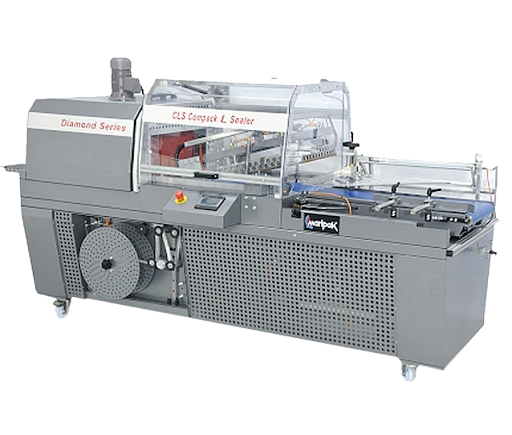
Many packages start their journey inside a simple frame of heated wire. The device cuts and seals film in one step, forming a neat enclosure around the product. This guide explains how an L bar heat sealer works, which types are available, and how to choose one.
What the Name Means
The sealer takes its name from the L-shaped sealing arm. One side of the L seals the leading edge of the film, while the other seals the side. Together they close two edges at once, and the product sits inside a sealed envelope.
Film is usually fed as a folded sheet, known as centrefold. The product rests between the two layers, and the L bar heat sealer closes the open sides. A heat tunnel then shrinks the film around the item.
How the Sealing Cycle Works
- The operator or conveyor places the product between the film layers
- The sealing arm lowers and presses the film
- A heated wire melts and cuts through the film at the same moment
- The arm lifts and the package moves on
Seal quality depends on temperature, dwell time, and pressure. If the wire is too hot, it burns holes. If it is too cool, seals stay weak and open during shrinking.
Main Types
Manual and Hood Models
Entry-level hood versions suit small to medium operations. The operator lowers the sealing arm by hand and controls speed directly. Output depends on the operator’s pace, but these units offer a low purchase price and a small footprint.
Semi-Automatic Models
Semi-automatic sealers handle part of the process, such as arm movement and cutting. The operator loads products and moves them forward. This level offers a balance between control and speed.
Combination Sealer and Tunnel Units
Some machines combine the sealer and heat chamber into one frame, which saves floor space. They suit businesses that want a complete system without a long line. A compact L bar heat sealer of this type is popular in workshops and back rooms.
Fully Automatic Models
High-volume plants use automatic sealers with sensors and conveyors. Servo motors can power the movement, giving precise control and reducing reliance on compressed air. These machines handle many packages per minute and run for long hours.
Large-Format Models
Oversized or irregular products need a larger sealing area. Heavy-duty pneumatic versions cover items that standard units cannot handle. They are useful for furniture parts, large kits, and bulky goods.
Choosing the Right Size
Measure the largest product, including height, and add space for film folds. The sealing area must be larger than the package. Film width should match the product too.
Products that barely fit cause rough handling and weak seals. Selecting a slightly larger L bar heat sealer than strictly necessary gives room for varied items.
Film Considerations
Polyolefin is the usual choice for retail goods because it seals cleanly and stays clear. Polyvinyl chloride is cheaper but can become brittle and releases fumes when heated, so ventilation matters. Polyethylene suits heavier bundles but needs different settings.
Always test a sample before running a batch. Film thickness changes the temperature and time needed for a good seal.
Operating Tips
- Start with moderate temperature and raise it gradually
- Keep the sealing wire clean and free of residue
- Use fresh film that is stored flat and dry
- Leave small gaps or perforations so air can escape during shrinking
- Space products evenly to avoid trapped film
Write down settings for each product type. Consistent settings produce consistent seals.
Maintenance and Safety
Replace sealing wire and silicone pads when they wear. Clean the sealing area after each shift. Check pneumatic lines and electrical connections on a schedule.
The sealing arm gets hot, so operators should avoid touching it and keep hands clear when it lowers. Guards and emergency stops should be tested regularly. Proper care helps any L bar heat sealer last for years.
A reliable L bar heat sealer should also leave a clean, narrow seal line.
Support and Warranty
Look for suppliers that provide parts shipping, technical help, and installation guidance. Remote walkthroughs can simplify setup for small teams.
Conclusion
The right sealer fits your product size, volume, and film while remaining easy to operate and maintain. Many buyers also plan the supporting items around it, such as conveyors and heat chambers, treating them as essential peripheral equipment for a complete line. Testing real products before purchase confirms the choice.