
Good barbecue takes time. Anyone who has spent a full afternoon beside a smoker knows that already. You prepare the meat, get the fire going, watch the temperature, and wait for the magic to happen. Sometimes everything goes smoothly. Other times, the temperature drops, the fire needs attention, and you end up spending more time managing the cooker than enjoying the cooking.
That is where choosing the right equipment makes a real difference
When comparing insulated smokers and a pellet grill, both have something useful to offer. They can help you prepare delicious barbecue, cook different cuts of meat, and enjoy outdoor cooking with family and friends. But they work in different ways, and the experience is not exactly the same.
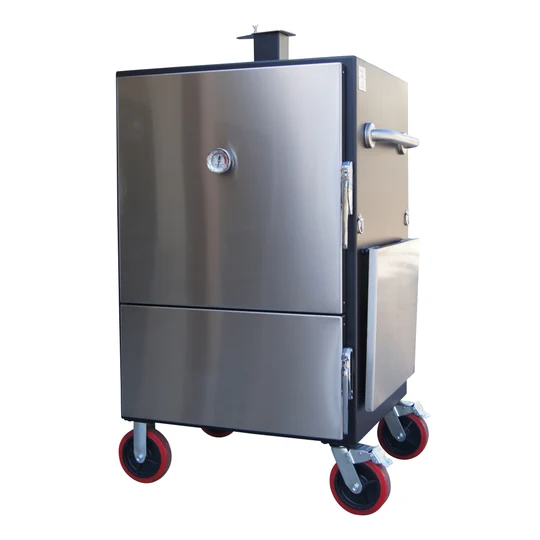
Some people prefer the traditional approach of managing a fire and getting that deep wood-smoked flavor. Others want something convenient that makes temperature control less demanding. Neither choice is automatically better for everyone.
So, which one makes more sense for your backyard? Let us look at the differences, cooking styles, and things worth considering before making a decision.
Understanding How Insulated Smokers Work
An insulated smoker is designed to hold heat inside the cooking chamber. Its construction usually includes insulated walls that help reduce heat loss while maintaining a more consistent cooking temperature.
This matters more than people sometimes realize.
When cooking brisket, pork shoulder, ribs, or other large cuts, temperature stability is important. A cooker that constantly loses heat can require more attention. You may need to adjust the fire, add fuel, or keep checking the thermometer.
Insulated smokers help reduce those temperature swings. They are particularly useful for long cooking sessions when you want the heat to remain steady without constantly making adjustments.
Another advantage is their ability to handle changing outdoor conditions. Wind and colder weather can affect an ordinary smoker, but an insulated cooking chamber provides an extra layer of protection against heat loss.
Of course, insulation does not mean you can completely ignore the fire. If you are using a traditional wood-burning model, you still need to understand airflow, fuel management, and temperature control. Good barbecue always requires some attention.
But the extra insulation can make the process more manageable.
Why a Pellet Grill Appeals to Backyard BBQ Lovers
A pellet grill offers a different kind of cooking experience. Instead of manually managing a traditional wood fire, it uses compressed wood pellets as fuel. An electrical system feeds those pellets into a fire pot, where they burn to produce heat and smoke.
Most pellet grills include digital temperature controls. You select the cooking temperature, and the grill manages pellet feeding to maintain the desired heat.
For someone who wants to smoke food without spending the entire afternoon watching a fire, this setup can be appealing.
You can prepare chicken, ribs, pork, vegetables, and even certain baked dishes. Many pellet grills also offer grilling and roasting capabilities, making them useful for everyday backyard cooking.
The convenience is probably their biggest selling point.
However, pellet grills depend on electricity and mechanical components. The auger, controller, fan, and temperature sensor all play a role in the cooking process. If something goes wrong, you may need to troubleshoot the system before continuing.
There is also a difference in smoke flavor. Pellet grills produce a pleasant wood-fired taste, but people who prefer traditional stick-burning barbecue may find the smoke character different from what they expect.
It comes down to personal preference.
Insulated Smokers vs. Pellet Grill: The Difference in Cooking Experience
At first glance, both cookers seem to do the same job. They cook meat using heat and smoke. But spend some time using them, and the differences become easier to understand.
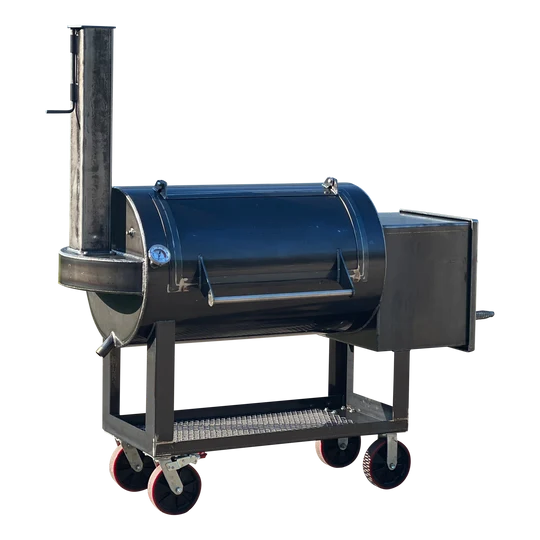
With insulated smokers, the focus is often on heat retention and traditional smoking methods. Depending on the design, you may use wood, charcoal, or another fuel source. You have more direct involvement in managing the fire and controlling the cooking environment.
A pellet grill is generally more automated. You load the pellets, set the temperature, and allow the electronic system to manage much of the process.
Neither approach is wrong.
Some barbecue enthusiasts enjoy the hands-on experience. They like building a fire, watching the smoke, adjusting the airflow, and learning how different woods affect the flavor. For them, cooking is not just about getting food ready. The process itself is part of the fun.
Other people have busy schedules. They want good barbecue without having to spend hours managing fuel and temperature. A pellet grill can make that easier.
The better option depends on how involved you want to be in your cooking.
Heat Retention Matters More Than You Think
One thing that deserves more attention when buying a smoker is heat retention.
A cooking chamber that holds its temperature properly makes long smoking sessions easier to manage. This becomes especially important when preparing brisket or pork shoulder, where cooking can take several hours.
Insulated smokers are designed with this purpose in mind. Their insulated construction helps maintain internal heat and reduces the amount of energy lost through the walls.
That can be useful when outdoor temperatures change throughout the day.
Think about cooking during a chilly morning or on a windy afternoon. A less insulated cooker may need additional fuel to maintain the same temperature. A well-designed insulated smoker can help limit that problem.
Pellet grills also have temperature management systems, but their performance depends on the quality of the grill, its construction, and the conditions in which it operates.
This is why buyers should look beyond the control panel or exterior appearance. Material thickness, chamber construction, insulation quality, and overall workmanship deserve just as much attention.
A good smoker should be built for actual cooking, not just look impressive sitting on a patio.
Which One Gives You Better Smoke Flavor?
Now comes the part most barbecue lovers care about. Flavor.
There is no single answer because smoke flavor depends on several factors, including the fuel, wood type, airflow, cooking temperature, and the food itself.
Traditional wood-burning insulated smokers can produce a strong, recognizable barbecue flavor. You have direct control over the wood used during cooking, allowing you to experiment with oak, hickory, pecan, and other hardwoods.
For people who enjoy Texas-style barbecue, that control can be a big advantage.
A pellet grill also produces wood smoke, but the flavor profile can be different. Pellet choice, cooking temperature, and the grill’s design influence how much smoke reaches the food.
Some cooks enjoy a lighter smoke flavor, especially when preparing poultry, fish, or vegetables. Others prefer a deeper smoke profile for brisket and ribs.
Here is something worth remembering: more smoke does not always mean better barbecue. Heavy, dirty smoke can leave food tasting bitter. Clean combustion, proper airflow, and patience matter much more than simply producing large clouds of smoke.
Learn your cooker, understand the fuel, and give the meat enough time. That is where good results start.
Choosing the Right Smoker for Long Cooking Sessions
If you regularly cook large cuts of meat, the design of your smoker becomes especially important.
Brisket is a good example. It needs a steady cooking environment and enough space for the meat to sit without being crowded. A cooker that struggles to maintain temperature can make the experience frustrating.
Insulated smokers are worth considering if long smoking sessions are a regular part of your routine. Their heat-retaining construction can help make overnight or extended cooking more manageable.
A pellet grill can also handle long cooks, particularly when its hopper capacity and temperature controls are suitable for the job. Still, you should consider pellet consumption, electricity requirements, and the reliability of its feeding system.
Cooking capacity is another important factor.
Do you normally cook for two or three people? Or are you the person everyone calls when the family gathering needs brisket, ribs, and smoked chicken?
Your answer should influence the size of the cooker you purchase.
Buying a smoker that is too small can become frustrating quickly. On the other hand, a huge cooker may take up unnecessary space if you rarely prepare large amounts of food.
Think about your actual cooking habits before spending money.
What Should You Check Before Buying?
Price is important, but it should not be the only deciding factor. A cheaper cooker may seem attractive initially, yet poor construction or unreliable components can create problems later.
Start with the materials. Look at the quality of the steel, the thickness of the cooking chamber, and how well the doors and joints are constructed.
For insulated smokers, pay attention to the insulation itself and how effectively the design prevents heat from escaping.
For pellet grills, examine the controller, auger system, hopper capacity, and availability of replacement components.
Cooking space matters too. Make sure the racks provide enough room for the food you normally prepare.
Also consider maintenance. Every smoker needs cleaning. Grease buildup, ash, and food residue should be removed regularly to keep the cooker working properly.
Finally, think about how long you want to own it. If you enjoy outdoor cooking and plan to use your smoker frequently, investing in dependable construction makes sense.
A barbecue cooker should be something you look forward to using, not another piece of equipment that needs constant fixing.
Why Quality Construction Makes a Difference in Texas BBQ
Texas barbecue has its own personality. It is built around patience, good meat, wood smoke, and cooking methods that have been passed down through generations.
That is one reason serious backyard cooks often pay close attention to the quality of their equipment.
A well-made smoker gives you a dependable cooking space and the ability to prepare different foods according to your preferred style. Whether you enjoy traditional wood-fired cooking or the convenience of a pellet grill, the construction of your equipment affects the overall experience.
At Lone Star Grillz, the focus is on quality barbecue equipment made for people who take outdoor cooking seriously. From custom smokers to grills and other outdoor cooking products, having equipment that suits your cooking needs can make every barbecue session more enjoyable.
There is no need to purchase something just because it looks impressive. Choose a cooker that fits your space, cooking habits, and the kind of barbecue you actually want to make.
That is a much better way to spend your money.
So, Should You Choose Insulated Smokers or a Pellet Grill?
The honest answer is that both have a place in backyard barbecue.
If you enjoy traditional smoking, want strong control over your fire, and value heat retention during extended cooking sessions, insulated smokers deserve a serious look.
If convenience, digital temperature control, and less hands-on fire management are higher on your list, a pellet grill may be the better match.
Some cooks will always prefer the traditional approach. Others are perfectly happy letting technology handle part of the work.
What matters is the result and how much you enjoy getting there.
Good barbecue is not about owning the most expensive cooker or having the fanciest equipment in the neighborhood. It is about understanding your cooking style, choosing dependable equipment, and putting in the time to get things right.
If you are ready to take your backyard barbecue seriously, explore the range of smokers and grills at Lone Star Grillz. Take a look at the available options, compare the designs, and choose equipment that fits the way you love to cook.
Frequently Asked Questions
1. Are insulated smokers better than pellet grills?
Neither is automatically better. Insulated smokers are useful for heat retention and traditional smoking, while pellet grills offer automated temperature management and convenience. The right choice depends on your preferred cooking style.
2. Can you cook brisket in a pellet grill?
Yes. Pellet grills can cook brisket at low temperatures for extended periods. Choose a grill with enough cooking space and hopper capacity to support longer smoking sessions.
3. Do insulated smokers use less fuel?
They can use fuel more efficiently because their insulated construction helps reduce heat loss. Actual fuel consumption depends on the smoker design, cooking temperature, weather, and type of fuel being used.
4. What should I look for when buying an insulated smoker?
Pay attention to steel quality, insulation, cooking capacity, door construction, airflow, and overall workmanship. A dependable smoker should maintain heat effectively and provide enough cooking space for your regular barbecue needs.