
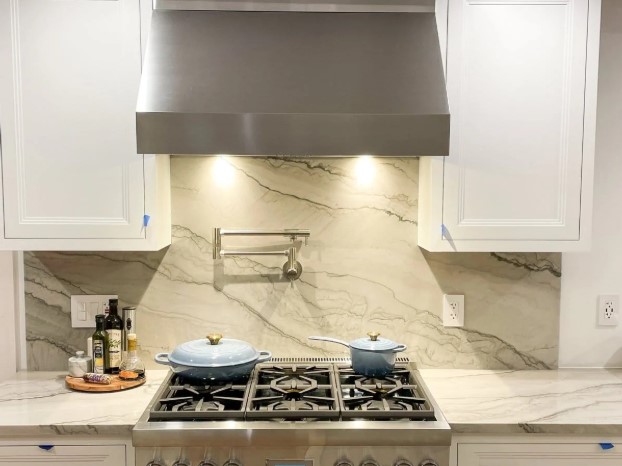
A clean and comfortable kitchen depends on more than cabinets, counters, and appliances. In the middle of everyday cooking, an under cabinet recirculating range hood can help manage smoke, grease, odors, and steam without needing exterior ductwork. This makes it a practical choice for apartments, condos, remodels, and kitchens where venting outside is not possible.
Unlike ducted hoods, recirculating models filter the air and return it into the room. They are often installed beneath an upper cabinet, which helps save space while keeping ventilation close to the cooktop. For many homeowners, this design offers a simple balance of function, style, and convenience.
Why does kitchen ventilation matter during daily cooking?
Cooking releases more into the air than most people realize. Frying, sautéing, boiling, grilling, and high-heat cooking can create steam, grease particles, lingering odors, and smoke. Without proper ventilation, these particles can settle on cabinets, walls, and nearby surfaces.
A range hood helps capture airborne grease and odors before they spread through the kitchen. Even in smaller kitchens, this can make the space feel fresher and easier to clean. Good ventilation also improves comfort when cooking strong-smelling foods or preparing several dishes at once.
What makes a recirculating range hood different from a ducted hood?
A ducted range hood sends cooking air outside through ductwork. A recirculating range hood does not vent outdoors. Instead, it pulls air through filters that trap grease and reduce odors, then sends the filtered air back into the kitchen.
This difference is important for homes where exterior venting is difficult or expensive. If your kitchen layout does not allow ductwork, a recirculating model can still provide useful air filtration. It may not remove heat and humidity as effectively as an outdoor-vented hood, but it can improve everyday cooking comfort.
Why choose an under cabinet design for your kitchen?
An under cabinet hood is installed directly beneath existing upper cabinets. This makes it a good choice for kitchens where wall space is limited or where homeowners want a built-in look. It keeps the hood close to the cooking surface without taking up extra wall area.
This style also works well in compact kitchens. Since the hood fits under cabinetry, it can blend with the kitchen design while still offering ventilation. Many models come in stainless steel or modern finishes that match common appliances.
What features should you compare before buying?
Before choosing a range hood, compare size, airflow, noise level, lighting, filter type, controls, and finish. The hood should be wide enough to cover the cooktop properly. It should also have fan speeds that match your cooking habits.
Important features include:
- Grease filters that are easy to remove and clean
- Charcoal filters for odor reduction
- LED lighting for better cooktop visibility
- Multiple fan speeds
- Quiet operation
- Durable stainless steel construction
- Simple button or touch controls
- A design that matches your kitchen layout
These details can affect how useful the hood feels after installation.
How do filters affect performance?
Filters are central to how a recirculating hood works. Grease filters capture oil and food particles, while charcoal filters help reduce odors. If filters are dirty or worn out, the hood will not work as well.
Grease filters should be cleaned regularly based on cooking frequency. Charcoal filters usually need replacement because they cannot be washed and reused forever. Homeowners who cook often should check filter condition more frequently to maintain performance.
How do you choose the right size?
The hood should generally match or slightly exceed the width of the cooktop. A hood that is too narrow may not capture smoke and steam effectively. Common sizes include 30-inch, 36-inch, 42-inch, and larger options for bigger cooking areas.
For wide ranges, homeowners may need a larger hood to cover the full cooking surface. A professional-style kitchen or oversized cooktop may require more coverage and stronger airflow. Always check cabinet space and installation clearance before buying.
What are the benefits of remodels and apartments?
Recirculating hoods are especially useful where duct installation is not practical. This includes apartments, condos, rental properties, older homes, and remodels with difficult wall or roof access. They can often be installed with fewer structural changes.
For homeowners upgrading a kitchen, this can reduce installation complexity. It also allows better ventilation without opening walls or adding long duct runs. That makes the under cabinet recirculating design a flexible option for many spaces.
How can you maintain your range hood?
Regular maintenance keeps the hood working better and looking cleaner. Wipe down the exterior to remove grease and fingerprints. Clean the grease filters as recommended and replace charcoal filters when needed.
You should also check the fan and lights from time to time. If airflow feels weak or odors linger longer than usual, the filters may need attention. Simple maintenance can extend the life of the hood and improve daily performance.
Conclusion
An under cabinet recirculating range hood is a practical ventilation choice for kitchens that need odor and grease control without exterior ductwork. It can save space, fit under existing cabinets, and make daily cooking feel cleaner and more comfortable. When comparing models, consider size, airflow, filters, lighting, noise, and design; if your kitchen has a wide cooktop, a 60 hood range option may offer the coverage needed for better capture. With the right fit and regular maintenance, this type of hood can be a smart upgrade for a cleaner kitchen.