
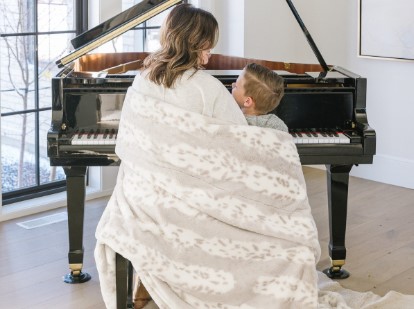
A soft throw blanket can make a room feel warmer, more comfortable, and visually inviting. Beyond providing extra warmth, the right blanket can complement furniture, add texture, and create a more layered appearance. A faux fur throw blanket is particularly popular for its plush texture and decorative appeal, making it suitable for bedrooms, living rooms, reading spaces, and cozy seating areas. For occasional decorative use, appearance and texture may be the primary priorities. If the blanket will be used frequently, factors such as weight, cleaning requirements, and durability become equally important.
Pay Attention to Texture and Softness
Texture is one of the defining characteristics of a faux fur throw blanket. Different products can vary considerably in pile length, density, and overall feel. Some have a shorter, smoother surface, while others provide a longer and more pronounced fur-like texture.
The ideal texture depends on personal preference and how the blanket will be used. A very plush surface can create a luxurious appearance, while a lighter texture may be easier to fold and use regularly.
Texture can also influence how a blanket looks under different lighting, particularly when it is displayed prominently on furniture.
Choose a Size That Fits Your Space
Blanket dimensions should correspond to the furniture or area where the throw will be placed. A faux fur throw blanket can work well over a chair or as an accent on a sofa, whereas a larger option may provide more coverage when used on a bed or sectional.
The size also affects how the blanket can be styled. A larger blanket can be loosely folded across a sofa or layered over bedding, while a smaller one can be draped over an armrest without overwhelming the furniture.
Match the Color With Your Existing Décor
Color plays an important role in determining whether a throw blends naturally into a room. Neutral shades such as cream, beige, gray, and white can complement a variety of interior styles without competing with existing furniture.
More distinctive shades can be useful when a room needs an accent color. However, it is generally helpful to consider the colors already present in upholstery, rugs, curtains, and decorative accessories.
A blanket does not necessarily need to match everything exactly. Coordinating complementary tones can create a more balanced and layered appearance.
Think About Warmth and Weight
Faux fur blankets can provide different levels of warmth depending on their construction and materials. A thick, dense blanket may be better suited to colder environments, while a lighter option can be more practical for transitional seasons or rooms that remain comfortably heated.
Weight is another consideration. A heavier blanket may feel substantial and cozy, but a lighter design can be easier to move, fold, and store.
Considering both factors can help you choose a blanket that feels comfortable rather than simply selecting the thickest available option.
Check Care and Maintenance Requirements
Regular use means blankets eventually require cleaning, so care instructions should be considered before making a choice. Faux fur can require specific washing or drying methods to help preserve its texture and appearance.
Following the manufacturer’s instructions is important because excessive heat, unsuitable detergents, or improper drying can affect the fibers. A blanket that is straightforward to maintain may also be more practical for households where it will be used frequently.
Conclusion
Choosing the right throw involves more than selecting the softest option available. Size, texture, color, warmth, weight, intended use, and care requirements all influence whether a blanket will work well in a particular space. For a more refined setting, luxury blankets can be layered over bedding or seating alongside decorative cushions. Combining different textures allows a room to feel visually interesting while maintaining a comfortable atmosphere. Blankets can become part of a broader interior design arrangement. Pairing faux fur with materials such as cotton, linen, wool, or knitted textiles creates contrast without requiring major changes to the room.