
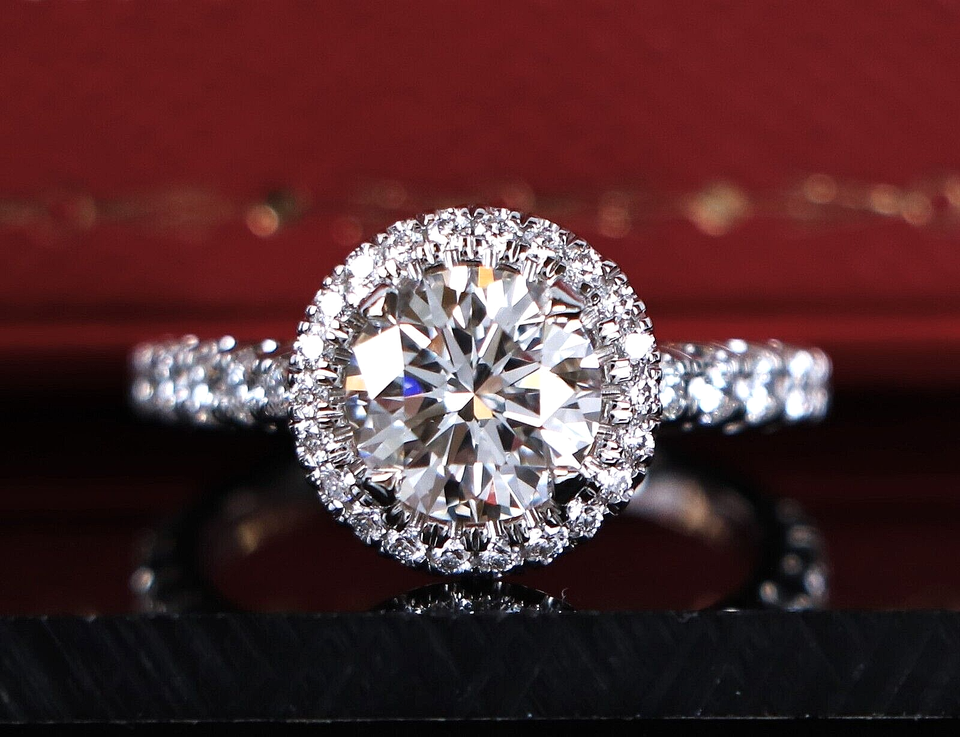
Choosing one of the most meaningful pieces of jewelry in your life can feel exciting and overwhelming at the same time. Diamond engagement rings are more than beautiful accessories. They represent commitment, love, and the beginning of a new chapter together. With countless diamond shapes, metals, settings, and styles available, understanding what to look for can make the buying process much easier.
Whether you prefer a classic solitaire, a vintage-inspired halo, or a modern oval-cut design, the right engagement ring should reflect your partner’s personality and your shared story.
What Are Diamond Engagement Rings?
Diamond engagement rings are rings traditionally given when one person proposes marriage to another. The diamond is typically the centerpiece, although many designs feature additional accent stones or gemstones.
Modern engagement rings are available in a wide range of designs. Some couples choose traditional round diamonds, while others prefer elongated shapes such as oval, emerald, or pear cuts. Lab-grown diamonds have also become an option for shoppers looking for diamond jewelry with different sourcing and pricing considerations.
The most important factor is choosing a ring that combines beauty, durability, comfort, and personal style.
Understanding the 4Cs of a Diamond
Before purchasing diamond engagement rings, it helps to understand the four primary characteristics used to evaluate a diamond: cut, color, clarity, and carat weight.
Cut
Cut refers to how effectively a diamond interacts with light. A well-cut diamond can appear bright and lively because its facets are positioned to reflect light effectively.
Cut is especially important when comparing diamonds with similar carat weights. A larger diamond is not automatically more visually impressive if its proportions and finish do not produce strong light performance.
Color
Diamond color grades generally describe how much color is visible in a stone. For traditional white diamonds, less noticeable body color is typically associated with higher grades.
However, the ideal color grade depends partly on the setting. A diamond set in yellow or rose gold can sometimes complement warmer tones, while platinum and white gold can create a crisp appearance around a whiter diamond.
Clarity
Clarity refers to internal characteristics, often called inclusions, and external characteristics known as blemishes.
Higher clarity grades generally mean fewer visible characteristics. However, a diamond does not necessarily need the highest clarity grade to look beautiful. What matters to many buyers is whether imperfections are visible to the naked eye.
Carat
Carat refers to a diamond’s weight, not its physical size alone. Two diamonds with the same carat weight can have different dimensions depending on their shape and proportions.
When shopping for engagement rings, consider the overall appearance rather than focusing exclusively on carat weight.
Popular Diamond Shapes for Engagement Rings
The diamond’s shape has a major impact on the ring’s overall appearance. Different shapes create different visual effects and suit different personal styles.
Round-Cut Diamond
Round diamonds are among the most recognizable choices for engagement rings. Their symmetrical design and traditional appearance make them suitable for classic and contemporary settings.
Oval-Cut Diamond
Oval diamonds have an elongated silhouette that can create the appearance of a larger surface area. Their shape combines traditional brilliance with a more distinctive profile.
Emerald-Cut Diamond
Emerald-cut diamonds feature broad, step-cut facets that create a sophisticated appearance. Instead of emphasizing intense sparkle, this shape is known for its clean lines and mirror-like reflections.
Pear-Shaped Diamond
Pear-shaped diamonds combine characteristics of round and marquise shapes. Their distinctive teardrop silhouette can create an elegant and graceful look.
Cushion-Cut Diamond
Cushion-cut diamonds typically have rounded corners and a softer square or rectangular outline. They can work particularly well for romantic, vintage-inspired engagement ring designs.
Princess-Cut Diamond
Princess-cut diamonds have a square or rectangular shape with sharp corners. Their geometric appearance makes them a popular choice for modern engagement ring styles.
Choosing the Right Engagement Ring Setting
The setting holds the diamond securely while also influencing the ring’s appearance.
Solitaire Setting
A solitaire features a single prominent diamond without additional stones surrounding it. This minimalist design places most of the visual attention on the center diamond.
Halo Setting
A halo setting surrounds the center diamond with smaller diamonds. This can add additional sparkle and create the visual impression of a larger center stone.
Three-Stone Setting
Three-stone rings typically feature a center diamond accompanied by two side stones. The design is often chosen for its balanced appearance and symbolic associations with a couple’s past, present, and future.
Pavé Setting
Pavé settings use small diamonds placed closely together along part of the ring’s surface. This creates a continuous sparkling effect while keeping the focus on the overall design.
Bezel Setting
A bezel setting surrounds the diamond’s edges with metal. It offers a sleek, contemporary appearance and provides a secure structure around the stone.
Which Metal Should You Choose?
The metal can significantly change the appearance of a diamond engagement ring.
Platinum is naturally white and known for its durability, making it a popular choice for fine jewelry.
White gold provides a bright, contemporary appearance and can complement white diamonds beautifully.
Yellow gold offers a traditional and warm appearance. It can create an appealing contrast between the diamond and the band.
Rose gold has a pinkish tone that provides a distinctive and romantic aesthetic.
When selecting a metal, consider your partner’s existing jewelry. If they primarily wear one type of metal, choosing a similar option can make the engagement ring feel more consistent with their personal style.
How to Choose the Right Diamond Engagement Ring
Selecting the right ring does not have to mean choosing the most expensive diamond available. Instead, focus on the combination of characteristics that matter most to you.
Start by considering your budget. Establishing a spending range before shopping can help narrow your options without becoming distracted by designs outside your intended range.
Next, think about your partner’s style. Do they prefer simple jewelry or statement pieces? Do they wear vintage-inspired designs or modern minimalist jewelry?
You should also consider lifestyle. Someone who works extensively with their hands may prefer a lower-profile setting that minimizes the chance of catching the ring on clothing or equipment.
Finally, compare the diamond’s appearance in addition to its grading information. Certification can provide important information, but viewing the stone’s proportions, symmetry, and overall appearance can help you understand what you are actually purchasing.
Lab-Grown vs. Natural Diamonds
Today’s shoppers can choose between natural and lab-grown diamonds.
Natural diamonds form naturally within the Earth over extremely long geological periods. Lab-grown diamonds are produced using controlled technological processes and have essentially the same chemical composition and crystal structure as natural diamonds.
The two options can differ in origin, pricing, availability, and consumer preferences. Rather than assuming one option is universally right, consider which characteristics are most important to you.
If origin and traditional natural formation are important, a natural diamond may align with your preferences. If you are interested in a laboratory-created stone and potentially different pricing options, a lab-grown diamond may be worth considering.
How Much Should You Spend on an Engagement Ring?
There is no universal amount that every couple should spend on an engagement ring.
Your budget should reflect your financial situation, priorities, and long-term plans. A beautiful ring does not need to create unnecessary financial pressure.
Instead of focusing on outdated spending rules, consider the features that matter most to you. You may choose to prioritize diamond cut, size, clarity, metal, or a particular design.
Setting a realistic budget also gives you more flexibility when comparing different diamond engagement rings.
Diamond Engagement Ring Shopping Checklist
Before making a purchase, consider the following:
- Choose your preferred diamond shape.
- Establish a comfortable budget.
- Compare cut, color, clarity, and carat.
- Decide between natural and lab-grown diamonds.
- Select a suitable metal.
- Consider your partner’s lifestyle and jewelry preferences.
- Review diamond certification when available.
- Check the ring’s sizing and return policy.
- Understand warranty and maintenance options.
- Compare the overall design rather than focusing on one specification.
This approach can help you make a more informed decision and avoid choosing a ring based solely on appearance or carat weight.
How to Care for Your Diamond Engagement Ring
Even durable diamond jewelry requires regular care. Remove your ring when performing activities that could expose it to harsh chemicals, heavy impact, or excessive dirt.
Clean the ring regularly using a jewelry-safe cleaning method recommended by the retailer or manufacturer. Avoid experimenting with strong household chemicals.
It is also useful to have the setting inspected periodically. A professional can check whether the prongs or other components remain secure and identify potential issues before a stone becomes loose.
When you are not wearing the ring, store it separately from other jewelry to reduce the risk of scratches and damage.
Finding a Style That Represents Your Relationship
The best engagement ring is ultimately one that feels meaningful to the couple. Trends can provide inspiration, but they should not determine your choice entirely.
A classic solitaire may be ideal for someone who values simplicity. An oval diamond can provide a graceful and contemporary appearance. A halo may appeal to someone who enjoys extra sparkle, while a three-stone design can carry additional symbolic meaning.
Brilani offers a range of diamond engagement ring styles for shoppers exploring different diamond shapes, metals, and settings.
Take your time, compare your options, and focus on the combination of design and diamond characteristics that best reflects your relationship.
Frequently Asked Questions
What is the most popular diamond shape for an engagement ring?
Round diamonds are a traditional and widely recognized choice. However, oval, emerald, cushion, pear, and princess shapes offer distinctive alternatives for different personal styles.
Are diamond engagement rings worth the investment?
An engagement ring is primarily a meaningful piece of jewelry rather than a guaranteed financial investment. Its value depends on factors such as diamond characteristics, certification, materials, craftsmanship, and market conditions.
Is a higher-carat diamond always better?
No. Carat measures diamond weight, not overall beauty. Cut quality, proportions, shape, clarity, and color can all influence how a diamond looks.
Should I choose a natural or lab-grown diamond?
The choice depends on your priorities. Natural diamonds and lab-grown diamonds differ in origin and can differ in pricing and availability. Both can be considered when shopping for an engagement ring.
What setting is best for an engagement ring?
There is no single setting that works for everyone. Solitaire, halo, three-stone, pavé, and bezel settings each provide different aesthetics and practical characteristics.
How can I choose the right diamond size?
Start with your budget and preferred design. Consider the diamond’s dimensions and shape as well as its carat weight, because two diamonds with the same carat weight can have noticeably different visual sizes.