
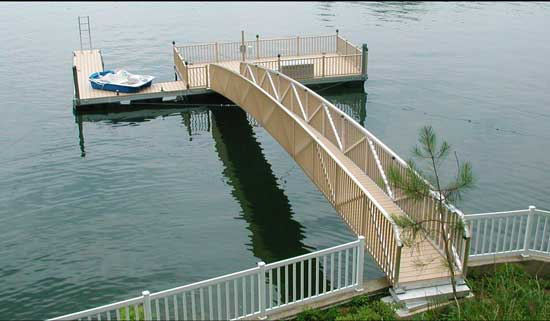
Mostly yeah. A well-made set of aluminum boat docks can sit in a lake for twenty years and still be doing its job, a bit dull on the surface maybe, but solid. The word that matters there is “well made.” I’ve seen docks sold as aluminum that were falling apart by year six: thin walls, rushed welding, the wrong screws holding it together. So when somebody asks me if it lasts, I ask where the lake is and who built the thing. A quiet freshwater lake down south is easy living for any metal. A northern lake that freezes hard and shoves stuff around every March, that’s a whole other situation, even with identical material. Keep that in your head while you read, because pretty much everything below circles back to it somehow.
What Water Does to the Metal
Iron rusts and just keeps going until there’s nothing left. Aluminum does something smarter: as soon as it meets air, it grows a very thin oxide skin, and that skin seals off what’s underneath. Scratch it, and it more or less heals. That’s why you see it on boats, ladders, all sorts of wet gear. It’s also light, and I mean that matters more than people admit. Two adults can usually carry a section down the bank; try that with lumber that’s been soaking all summer. Where it goes wrong is cheap alloy, which pits and turns chalky, and bad welds, which crack along the seam. Then there’s mixing metals. Put steel screws into an aluminum frame, and the two start eating each other at the joint, galvanic corrosion they call it, and you often can’t see it happening. Ask for marine grade. Ask twice if you have to.
Ice, Wind and the Winter Problem
Winter is the real exam, and not enough people talk about it. Ice expands and shoves in whatever direction it likes, sideways, up, doesn’t care. It can twist a frame, bend a leg, even pick a whole section up and set it down somewhere else. Wind has its own way of causing trouble, mostly on anything with a big flat area to catch it. A lot of owners just pull sections out before the freeze and put them back in spring, and light aluminum makes that a way less painful job than it’d be with wood. Some folks run a bubbler or de-icer instead, which works on some lakes and not others. If you barely get a winter, great, but then you’re watching for wake damage and storm surge. Whatever your situation, tell the builder the truth about it. Don’t shrink it down to get a lower quote; the lake won’t care what you said.
The Upkeep You’ll Really Do
People hear “low maintenance” and their brain turns it into “none,” which, no. You’ll rinse off algae and bird droppings every so often, scrub with mild soap and a soft brush, and look over the bolts and brackets once or twice a season. Skip the harsh chemical cleaners; a few of them dull the finish or leave marks that never come off. Honestly, the whole routine is an hour, maybe less. What gets people in trouble is letting small things slide. One loose bolt becomes a wobbly rail, and a wobbly rail becomes the one that gives way when somebody leans on it at the family cookout. I’ve watched that happen. Walk the dock with a wrench in your pocket now and then and you’ll avoid a lot of grief, plus money, because replacing a section hurts.
What It Costs Over Time
Yes, it’s more expensive on day one than a basic pressure-treated wood dock. Sometimes enough more that you wince at the quote. But zoom out. Wood wants stain, new boards, new screws, and after enough wet years the framing goes soft, and somebody has to rebuild it, probably you, probably on a Saturday you wanted for fishing. Your time counts even if nobody sends an invoice. Aluminum mostly wants a rinse and a bolt check. Stretch it across fifteen or twenty years, and the gap closes a lot more than folks expect, sometimes flips entirely. If you only see the cabin a couple weeks each summer, though, cheaper might be fine; nothing wrong with that. Get two or three quotes and make sure they match on size, load rating, and install; otherwise you’re comparing apples to pickup trucks. Then ask what each one leaves out.
Where Fixed Boat Docks Fit In
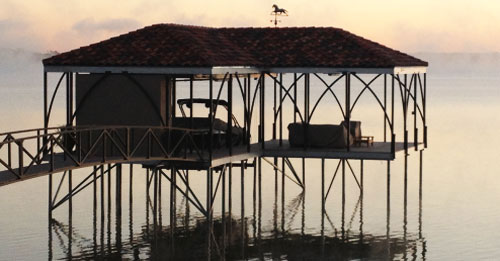
Another thing people ask is whether to go floating or standing. Fixed Boat Docks sit on posts or pilings driven into the lake bottom, and they do great when the water stays steady and the bottom is firm. They feel solid underfoot, nothing drifts around, and they’re nice for fishing or sitting at the end with a coffee at sunrise. Trouble shows up when the lake rises and falls a few feet through the season, because then the deck ends up too high or too low and stepping onto the boat gets awkward. Ice can also grab the posts and heave them upward over winter. Soft mucky bottoms or rocky ones make setting posts harder, which pushes the price up. Floating setups ride the water instead, which suits changing levels better. Neither wins everywhere really. Look at your depth, your bottom, your winters, then decide.
Safety, Comfort and Local Rules
A dock isn’t only a place to park the boat. It’s where kids cannonball off the end, where somebody’s uncle ends up in the water at the cookout. So think about footing. Textured or open pattern decking drains fast and doesn’t get slick, and it usually stays cooler on bare feet than dark composite does in July. Wider sections feel steadier, particularly for older relatives who don’t love wobbling over water. Rails help, cleats in sensible spots help, a few lights for the evenings help too. If you want power for a lift or lighting, hire a licensed electrician, full stop; water and shortcuts really don’t go together. And call your local office before you buy anything, since size limits, setbacks and permits change from one lake or county to the next. Finding that out late is a lousy feeling, and sometimes a pricey one.
Conclusion
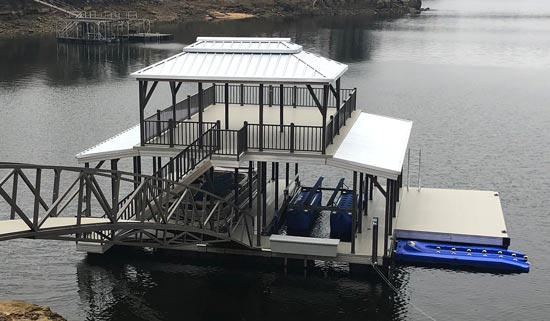
For most people who spend real time at the lake and own a boat they care about, aluminum is a strong choice. It’s light, it’s tough, and it doesn’t eat your weekends like wood tends to. The higher price up front is real though, and it’s fair to hesitate. Before signing anything, check the metal grade, look hard at the welds, read the actual warranty terms instead of just the big headline number, and make sure whoever builds it understands your water, your ice, and your wind. Get everything in writing. If you want someone to talk to while you compare, Flotation Systems Aluminum Boat Dock builds systems for real lakes, from simple floating sections up to covered setups. Tell them about your shoreline, your boat and your budget, then pay attention to how they respond. A good builder listens and answers straight.
Frequently Asked Questions
How long does an aluminum dock last?
Twenty years is common with marine-grade metal and solid welds, and plenty go longer. Ice, saltwater, and skipped upkeep can shorten that.
Does aluminum get too hot to walk on?
Bare metal heats up in full sun. Textured or coated decking stays more comfortable than dark composite, and lighter colors help even more.
Can an aluminum dock handle winter ice?
It can, especially floating or removable sections you pull before the freeze. Tell the builder what your winters are really like so they design for it.
Can it hold a heavy pontoon?
Yes, if it’s engineered for the load. Give the builder the real weight of the boat, fuel and gear, and check the rated capacity.
Do I need a permit to install a dock?
Usually, yes. Rules vary by state, county, and lake association, so contact your local office before you order anything.