
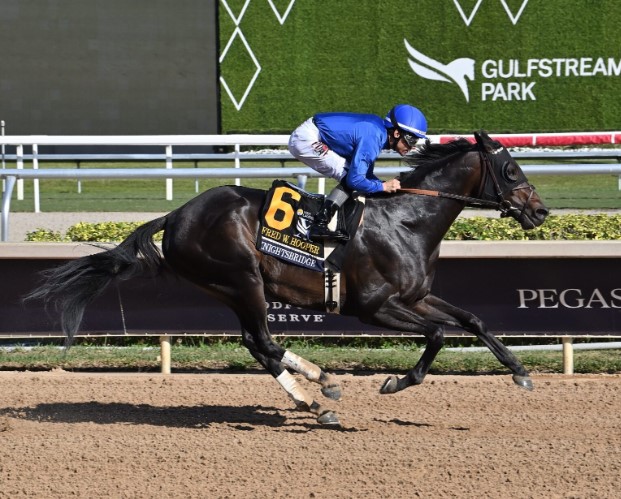
Pune has a long-standing connection with Indian horse racing, with the Pune Racecourse serving as an important venue for seasonal racing. The racing calendar brings together horses, jockeys, trainers, owners, and spectators for a series of competitive meetings throughout the year. Following the Horse Race Pune schedule can be useful for anyone interested in understanding upcoming fixtures, race cards, runners, and completed results. Rather than looking at a race as an isolated event, following the season provides a broader picture of how horses and jockeys perform across different meetings and conditions.
Understanding the Pune Racing Season
The Pune racing season is organised around a structured calendar featuring multiple race meetings and major events. For 2026, the Royal Western India Turf Club announced a 122-day Pune meeting running from July 17 through November 15, with 21 premier races included in the programme. Major fixtures include the Indian St. Leger and the Viloo C. Poonawalla Pune Derby.
A seasonal approach makes it easier to understand how the racing programme develops. Individual meetings may include several races, each with different distances, conditions, age categories, and eligibility requirements.
What Information Is Included in a Race Card?
A race card provides essential information about a scheduled race before the horses enter the track. It can include the runners, jockeys, trainers, weights, race distance, class, and other details relevant to the particular event.
For people following a Pune Horse Race, reviewing the race card can provide useful context before looking at the final outcome. It allows readers to understand who participated and how the race was structured rather than viewing the result as a standalone list of finishing positions.
Race cards can also change as race-day information develops, so checking an updated source is useful when following a particular meeting.
Why Race Results Matter
Results provide a record of what happened after a race has been completed. They can include finishing positions, winning times, margins, jockey information, and other race-day details.
Recent Pune racing illustrates how much information can come from a single meeting. On September 27, 2026, RWITC Pune held an eight-race programme, with jockey S Siddharth recording three victories and P Trevor securing two. The meeting included winners such as Bravion, Crimson Pirate, Chagall, and Flash Mob.
Looking at results over several meetings can help readers follow developments in the season and understand recurring participation by horses, jockeys, and trainers.
How to Read a Pune Race Result
A Pune Horse Race result generally identifies the finishing order of the runners and may include the official time and winning margin. Depending on the source, additional information can include the jockey, trainer, carried weight, and race classification.
For example, a recent Pune race result recorded the official placings alongside the winning time and margin, providing more context than simply identifying the winner.
Understanding these details can make race coverage easier to follow, particularly when comparing results from different distances or race classes.
Following News Beyond the Results
Race results tell readers what happened, but race news can provide additional context around the meeting. Reports may discuss notable performances, major fixtures, jockey milestones, track conditions, and developments within the racing calendar.
The Pune racing season also has a strong historical connection with the city. The Pune Racecourse dates back to the nineteenth century, while major events have helped establish the venue as an important part of India’s racing heritage.
Combining race cards, results, and news coverage therefore provides a more complete understanding of the season.
Keeping Track of Pune Racing Information
When following horse racing, it is helpful to check the date of each race report and distinguish scheduled information from confirmed results. Race cards describe upcoming events, while official results reflect completed races.
A consistent source can also make it easier to follow individual meetings without searching through unrelated reports. Readers interested in Pune racing can use dedicated coverage to review race-day information, results, and updates as the season progresses.
Conclusion
Following the horse race calendar involves more than checking who finished first. For readers looking to keep track of Pune racing news, results, and race-day developments, Racebuzz provides dedicated coverage of the Pune racing calendar and related updates. Race cards explain the scheduled field, results document completed performances, and news reports add context about the wider racing season.