
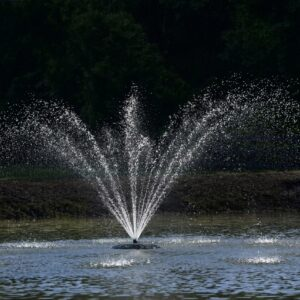
Ponds add visual interest to gardens, parks, farms, and commercial landscapes, but maintaining a healthy and attractive water feature requires thoughtful planning. Water movement can improve the appearance of a pond while supporting circulation and creating a more dynamic outdoor environment. Choosing suitable floating pond fountains allows property owners to combine decorative appeal with practical water management, depending on the equipment selected and the characteristics of the pond.
These fountains typically float on the water’s surface and use a pump to draw in water before spraying it into the air through a nozzle. Their designs range from simple vertical sprays to broader patterns that create different visual effects. Because many systems are designed for installation without permanent mounting structures, they can be useful for ponds where fixed fountain installations may be impractical.
However, choosing the right system involves more than appearance. Pond dimensions, water depth, electrical access, maintenance needs, and environmental conditions all influence performance.
Benefits of Installing a Floating Fountain
One of the main advantages of a floating fountain is its ability to create movement across an otherwise still water surface. The changing spray patterns can make outdoor spaces feel more inviting and improve the overall appearance of residential and commercial landscapes.
Water circulation is another potential benefit. By moving water through the fountain, certain systems can help reduce stagnant areas and improve mixing within the water column. The extent of circulation depends on pump capacity, fountain placement, pond shape, and water depth.
Some fountains can also contribute to oxygen transfer as water droplets interact with the surrounding air and return to the pond. However, the amount of oxygen added varies considerably with spray design, operating conditions, temperature, and water quality. A decorative fountain should not automatically be considered a complete aeration solution, particularly in ponds containing fish or experiencing low dissolved oxygen.
Choosing the Right Fountain for Your Pond
Selecting an appropriate fountain begins with assessing the pond’s size and physical characteristics. A small pond may require a compact system, while a larger water body may need greater pumping capacity to create a noticeable display.
Consider the following factors before purchasing a fountain:
- Pond dimensions: Match the fountain’s capacity and spray pattern to the available water surface.
- Spray height: Check the recommended clearance to prevent excessive splashing onto nearby paths, plants, or electrical equipment.
- Pump performance: Review flow rate, power requirements, and operating limitations.
- Installation conditions: Confirm that the pond provides sufficient depth and a suitable location for safe placement.
- Maintenance access: Choose a design that allows routine cleaning and inspection without unnecessary difficulty.
Installation and Electrical Safety
Proper installation supports reliable operation and helps protect people, wildlife, and equipment. Before placing a fountain in a pond, inspect the water depth, remove potential obstructions, and confirm that the unit is suitable for the intended environment.
Electrical safety requires particular attention because fountains operate in and around water. Use equipment specifically rated for outdoor aquatic applications, follow the manufacturer’s wiring instructions, and ensure that the electrical supply includes appropriate ground-fault protection where required by applicable codes.
Power connections should remain protected from moisture, and cables must be positioned to avoid damage or tripping hazards.
Routine Maintenance for Long-Term Performance
Regular maintenance helps keep a fountain operating efficiently and reduces the likelihood of unexpected breakdowns. Begin by inspecting the pump intake and removing leaves, algae, and other debris that could restrict water flow.
Check the spray pattern periodically. A weaker or uneven display may indicate a blocked nozzle, reduced water level, or pump problem. Clean components according to the manufacturer’s recommendations rather than using abrasive tools or chemicals that could damage the equipment.
Inspect cables, floats, fasteners, and other accessible components for visible wear. Address unusual vibrations, excessive noise, or repeated interruptions promptly. In areas with freezing temperatures, follow the manufacturer’s winterisation guidance to prevent damage from ice and freezing water.
Conclusion
A well-chosen fountain can enhance a pond’s appearance while contributing to water movement and, under suitable conditions, oxygen transfer. For an additional visual feature, water fountain LED lights can help illuminate evening displays and highlight the movement of water after dark. Careful selection, safe installation, and consistent maintenance are essential for achieving reliable performance.