
You ever stand there in the grocery aisle holding a carton of eggs, turning it over like the label’s gonna tell you anything real? “Natural.” “Farm raised.” Words that stopped meaning much a long time ago. Most of us just trust it because who has time to investigate eggs. But that trust has been wearing thin lately, and honestly it should.
That’s kind of the whole reason farm stores in Texas have picked up so much attention. Not because it’s some trend, though sure, it’s trendy too. It’s because when you buy from an actual farm store, nobody’s guessing what “natural” means. You’re buying from someone real, someone who probably raised the thing themselves and could tell you exactly how, if you asked. The gap between the farm and your kitchen table gets small enough you can actually see across it.
Fresh Stopped Meaning What It Used To Mean
At some point “fresh” became a word any food company could slap on a package without much of anyone checking. Produce sits around in cold storage for weeks and it’s still called fresh. Meat crosses two or three states before it ever gets near your fridge. None of it breaks any law. It’s just not what people think they’re getting.
Farm stores don’t get to play that game, mostly because they can’t afford to. There’s no warehouse network, no six-week supply chain hiding behind the scenes. What’s sitting on the shelf got there recently and it came from close by, because that’s the only way the whole thing works when you’re small. Less a marketing choice, more just… how it has to be.
Eggs Kind Of Prove The Point
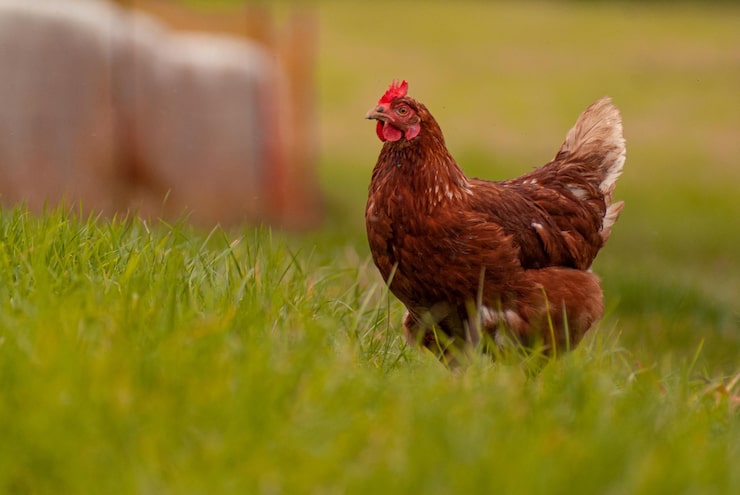
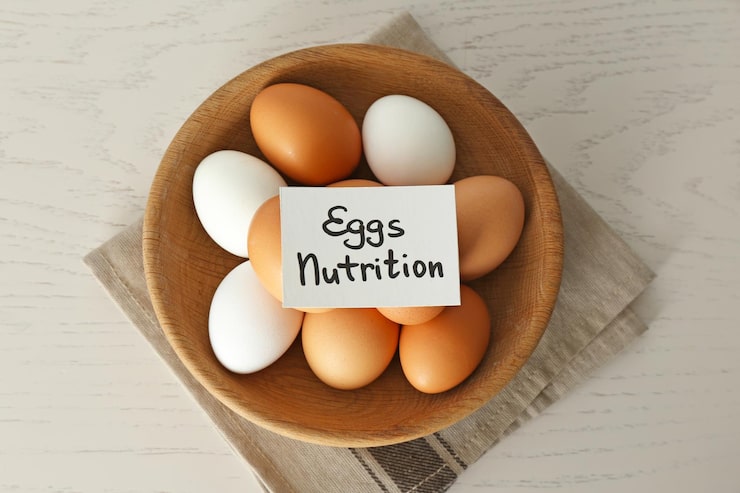
If you want to see the difference instead of just being told about it, eggs are the easiest place to start. Farm fresh eggs taste different, and no, that’s not a placebo thing. Hens that actually get to walk around, peck at bugs, eat grass — they lay eggs with darker yolks, richer flavor. Crack one next to a store carton and you’ll see it before you even taste anything.
There’s a cooking difference too that people don’t notice until it’s pointed out. Shells tend to be tougher, hold up better whether you’re frying or baking. Small thing by itself. Adds up over a year of cooking though.
What You’re Actually Paying For
People assume the higher price at a farm store is just because, well, small business, charge what they want. That’s not really it. A lot of that price covers stuff you don’t see — animals raised without shortcuts, land that hasn’t been pushed to its limit chemically, no four middlemen taking a slice before it reaches you.
Not gonna pretend it’s always cheaper. Sometimes it’s not, plain and simple. But a lot of Texas families have started deciding that paying a bit more for actual certainty beats saving a few bucks and hoping for the best, especially with how often recalls show up in the news lately.
Local And Supporting Local Aren’t Quite The Same Thing
Small difference, matters more than it sounds. Buying local just means the sale happened nearby. Supporting local means your money’s actually keeping a family operation running, keeping land farmed instead of sold off for the next housing development, keeping food production spread out instead of stuck in the hands of a few giant companies.
Texas still has a good chunk of working farmland. It’s shrinking though, has been for years. Every purchase at a real farm store pushes back on that a little. Won’t fix the whole thing by itself. Still counts.
How To Spot A Real One
Not every place with mason jars and a wooden sign is doing what it looks like it’s doing. Couple questions worth asking: Will someone there actually tell you where a product came from, specifically, not just “local”? Can you ask how the animals were raised and get a real answer instead of something rehearsed? Does the stock change with the seasons or does it look the same every month of the year?
The real ones don’t dodge those questions. Most of the time they’ll talk your ear off if you let them.
Where That Leaves You
This isn’t really about chasing some old-fashioned idea of how food used to be. It’s about wanting a straight answer when you ask what’s actually in your food. That used to just be normal. Somewhere it got complicated, and farm stores are one of the more honest ways back.
If you’re in Texas and haven’t really looked past the usual grocery run, it’s worth an afternoon. Start small — grab a dozen eggs, see if you notice anything different. Most people do. And once you notice it, the regular stuff gets harder to go back to.