
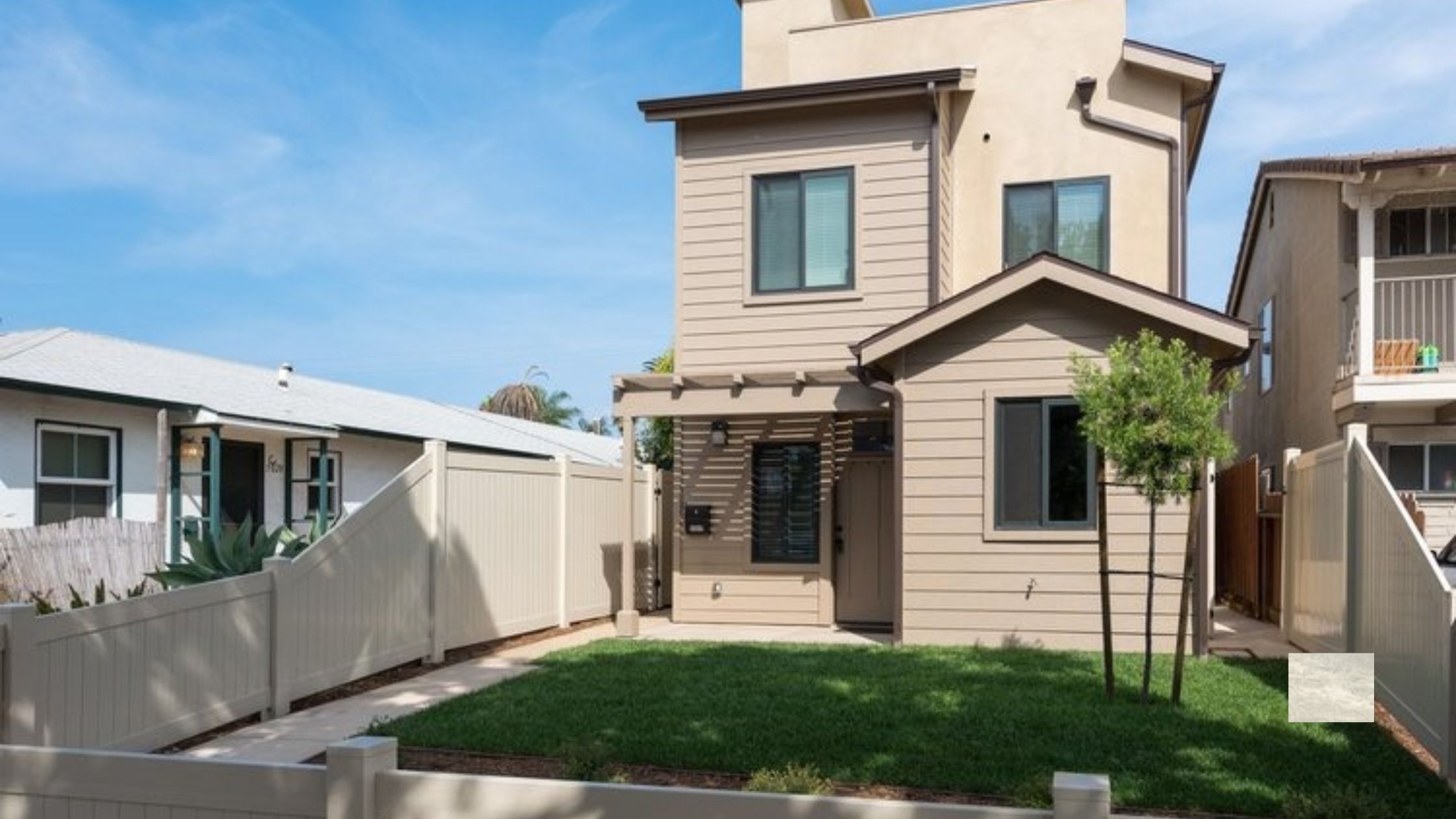
Planning to remodel a home in San Diego? Is it better to hire one team for design and construction or work with a separate designer and contractor? Choosing the right approach can make a big difference in the project’s cost, timeline, and overall experience. For homeowners comparing a design build firm San Diego, understanding how these two remodeling methods work can make the decision much easier.
Both approaches can deliver excellent results, but they organize the work differently. The right choice depends on the project’s size, the homeowner’s budget, and how much coordination the homeowner wants to manage.
Which Remodeling Approach Is Better?
Design-build is often a convenient choice for homeowners who want one team to manage design and construction. Traditional remodeling can suit homeowners who prefer to hire an independent designer and select a contractor separately.
- Design-build: One company coordinates design, planning, and construction.
- Traditional remodeling: The homeowner usually hires a designer and contractor separately.
- Communication: Design-build offers one main point of contact.
- Budget: Both methods can work within a budget when the project scope is clear.
- Best choice: The right option depends on the project’s complexity, the homeowner’s preferences, and the team selected.
What Is the Difference Between Design-Build and Traditional Remodeling?
The main difference is how design and construction are managed. A design-build company handles both services under one agreement, while traditional remodeling usually separates the design work from the construction contract.
How Does Design-Build Remodeling Work?
Design-build remodeling brings designers, project managers, and construction professionals together under one company. This team works toward a shared plan, from the first design ideas to the final walkthrough.
For example, a homeowner planning a kitchen renovation can discuss the layout, cabinets, lighting, and construction budget with one coordinated team. The design and construction professionals can work together to identify potential issues before building begins.
How Does Traditional Remodeling Work?
Traditional remodeling generally involves hiring an architect or designer first and then selecting a contractor to build the approved plans. This gives the homeowner more control over choosing separate professionals.
However, the homeowner may need to coordinate communication between the designer and contractor. If a design choice affects construction costs, the two parties may need to revise plans or discuss additional expenses before work continues.
Design-Build vs. Traditional Remodeling: How Do They Compare?
| Feature | Design-build | Traditional remodeling |
| Main team | One company manages design and construction | Designer and contractor are hired separately |
| Communication | Usually one main contact | Communication may involve multiple parties |
| Design flexibility | Changes are coordinated with the building team | Design changes may require separate coordination |
| Budget planning | Design and construction costs can be discussed together | Contractor pricing follows the design documents |
| Project responsibility | Responsibilities are coordinated under one company | Responsibilities are divided between professionals |
| Homeowner involvement | Less coordination between separate teams | More direct involvement in managing the teams |
Neither approach guarantees lower costs or a faster finish. Results depend on planning, contract terms, the team’s experience, material availability, and the complexity of the project.
Which Option Is More Affordable in San Diego?
Neither design-build nor traditional remodeling is always cheaper. The total price depends on the project’s scope, materials, labor, permits, and how well the work is planned.
With design-build, the team can consider construction costs while developing the design. If a design feature is too expensive, the team can suggest other options that fit the budget before finalizing the plans.
With traditional remodeling, homeowners may receive detailed contractor bids after the design is complete. If the plans include expensive materials or complex structural changes, the construction price may be higher than expected.
To compare both options fairly, homeowners should:
- Request a written estimate with a clear breakdown of costs.
- Check which design services, permits, materials, and labor are included.
- Ask about allowances, exclusions, and additional charges.
- Understand how design changes and unexpected repairs will be priced.
A detailed contract matters more than the project delivery method alone.
Which Remodeling Method Offers Better Project Management?
Design-build generally simplifies project management because design and construction professionals work within the same company. This can reduce communication gaps and make it easier to coordinate schedules, material selections, and construction decisions.
Traditional remodeling can also run smoothly, especially when the designer and contractor have worked together before. However, the homeowner may need to arrange meetings, share updates, and help resolve disagreements between separate teams.
For larger projects, such as whole-home renovations, room additions, or accessory dwelling units (ADUs), coordinated project management can be especially helpful. Homeowners can learn more about planning a whole-home remodel in San Diego before deciding which approach fits their needs.
Which Approach Is Faster for Home Remodeling?
Design-build may help reduce delays by allowing design and construction professionals to coordinate decisions earlier. However, neither method guarantees a shorter timeline.
The schedule depends on the size of the renovation, design approvals, permit reviews, contractor availability, material delivery, and unexpected conditions discovered during construction.
Traditional remodeling may take longer if plans need repeated revisions after contractor review. On the other hand, a well-organized traditional project with complete plans and an experienced contractor can move forward efficiently. Before signing an agreement, homeowners should ask for a project schedule that identifies the main stages:
- Initial consultation and design.
- Engineering and permit approvals, where required.
- Material selection and ordering.
- Construction and inspections.
- Final walkthrough and completion.
When Should Homeowners Choose Design-Build?
Design-build is a strong option for homeowners who want a coordinated team and a simpler way to manage a complex renovation. It is particularly useful when design choices, construction methods, and budget decisions are closely connected.
This approach may suit homeowners who are:
- Remodeling several rooms at the same time.
- Planning a kitchen or bathroom renovation with layout changes.
- Adding new living space or building an ADU.
- Looking for one main point of contact.
- Seeking help coordinating design, permits, and construction.
Traditional remodeling may be a better fit for homeowners who already have an architect, want to select each professional independently, or prefer to manage more of the process themselves.
How Can Homeowners Choose the Right Remodeling Team?
The best remodeling team should offer clear communication, relevant experience, transparent pricing, and a written contract. Homeowners should look beyond the price and compare the services each contractor provides before making a decision. Before hiring a contractor, check the following:
- Verify the contractor’s license through the California Contractors State License Board.
- Ask for examples of similar completed projects.
- Review the proposed scope of work and payment schedule.
- Confirm who handles permits, inspections, and subcontractors.
- Ask how changes, delays, and unexpected costs are handled.
- Read the contract carefully before signing.
These steps help homeowners make an informed choice, regardless of the remodeling method they select.
Looking for a Design-Build Firm in San Diego?
Homeowners planning a renovation can explore design build services in San Diego offered by Allcare Design/Build, a complete remodeling company serving San Diego County. The company offers design/build services for ADU additions, kitchen and bathroom renovations, room additions, and whole-home remodeling.
With more than 35 years of experience, Allcare Design/Build focuses on personal service, clear pricing, and coordinated project management. Homeowners can visit allcaredesignbuild.com to learn about available services and request a free consultation.
Frequently Asked Questions
1. What is the main difference between design-build and traditional remodeling?
Design-build combines design and construction under one company, while traditional remodeling usually involves hiring a designer and contractor separately. Design-build simplifies coordination, whereas traditional remodeling gives homeowners more freedom to select individual professionals.
2. Is design-build cheaper than traditional remodeling in San Diego?
Not always. Design-build can help identify budget concerns during planning, but the final cost depends on the project’s size, materials, labor, and contract terms. Homeowners should compare detailed written estimates before making a decision.
3. Is design-build faster than traditional remodeling?
Design-build can reduce delays caused by communication gaps because the design and construction teams work together. However, permit approvals, material availability, and project complexity affect the timeline for both approaches.
4. Is design-build a good choice for a whole-home remodel?
Yes. Design-build can be useful for whole-home remodeling because one team coordinates multiple rooms, design decisions, construction tasks, and schedules. It can simplify communication throughout a large project.
5. Can homeowners make changes during a design-build project?
Yes, but changes can affect the budget and schedule. Homeowners should request written approval for changes and confirm any additional costs before the contractor begins the extra work.
6. How can homeowners verify a design-build firm’s credentials in California?
Homeowners can check a contractor’s license status through the California Contractors State License Board website. They should also review insurance information, relevant project experience, references, and the written contract before hiring a company.
Author Bio
Author: Jordan Mitchell
Jordan Mitchell is a home improvement content writer who covers residential remodeling, renovation planning, and construction processes. Jordan focuses on explaining remodeling options in clear, practical language to help homeowners make informed decisions.