
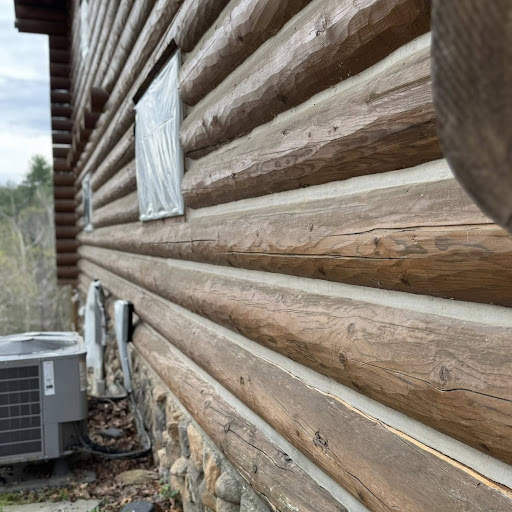
Log cabins look tough. And they are, to a point. But wood is still wood. Leave moisture sitting too long, ignore small cracks, skip maintenance for a few seasons, and things start going sideways fast. That’s usually when people begin searching for log cabin rotten log repair because the damage finally shows itself in a way you can’t ignore anymore. Soft spots. Crumbling wood. Water stains around windows. Sometimes you push a screwdriver into a log and it sinks way deeper than it should. Not good.
Truth is, most rot problems don’t happen overnight. They build slowly. Quietly. A lot of cabin owners don’t notice until the repair gets expensive. The good news though, rotten logs can often be repaired if you catch the issue before the structural damage gets out of control. And yeah, some repair methods actually work long term. Others are basically temporary cover-ups dressed up to sound professional.
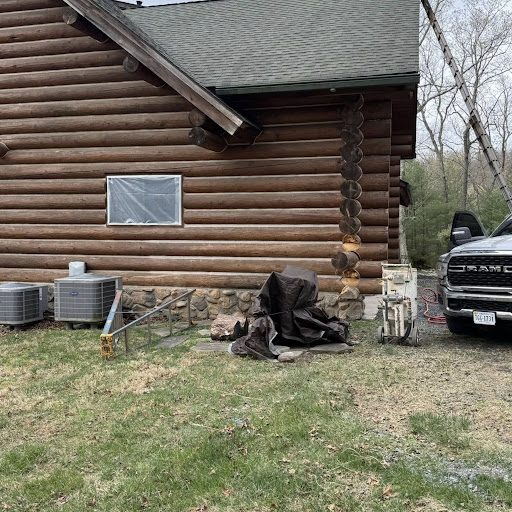
Moisture Is Usually the Real Problem
Let’s be real, water causes most log cabin damage. Almost every time.
Rain splashing against lower logs, clogged gutters spilling water down walls, leaking roofs, poor drainage around the foundation — all of it feeds moisture into wood. Once logs stay wet long enough, decay fungi move in. After that, rot spreads faster than people expect.
The lower courses of logs usually get hit first because they sit closest to the ground. Snow buildup doesn’t help either. Neither does landscaping piled against cabin walls. People love the look of flower beds tight against logs, but honestly, it traps moisture right where you don’t want it.
Sun exposure matters too. One side of the cabin dries quickly. Another side stays damp for days. That uneven exposure slowly breaks protective finishes down. Then cracks open up, water sneaks in deeper, and the cycle keeps going.
Insects Can Turn a Small Problem Into a Mess
Rot weakens wood. Bugs love weak wood.
Carpenter ants, termites, powderpost beetles — they all look for damp areas because softened logs are easier to tunnel through. Sometimes homeowners think insects caused the original issue when actually the moisture damage came first. The bugs just showed up for the free meal afterward.
You’ll usually notice tiny holes, sawdust-looking material, or hollow sounding spots in the wood. Sometimes there’s almost no visible warning at all. That’s what makes it frustrating.
The short answer is this: if you repair rotten logs but ignore insect activity, the repair probably won’t last. You have to deal with both problems together or you’re wasting time and money.
Poor Maintenance Speeds Everything Up
A lot of cabin owners assume stain alone protects the wood forever. It doesn’t.
Finishes wear down. Caulking dries out. Checks and cracks expand over time. Small openings around doors and windows start pulling in water year after year. Without inspections, damage hides in plain sight.
Honestly, maintenance on log homes isn’t optional. That sounds harsh maybe, but it’s true. Even high-quality logs will deteriorate if nobody pays attention to them.
Simple things help more than people think:
- Cleaning mildew early
- Reapplying stain before it completely fails
- Keeping gutters flowing properly
- Trimming back trees for airflow
- Checking lower logs every season
None of it is glamorous work. But it prevents major repairs later.
Spot Repairs Work for Minor Rot
Not every rotten log needs full replacement. Sometimes the damage is isolated enough for targeted repair methods.
Epoxy wood restoration systems are common for smaller areas. First, all the decayed wood gets removed completely. And I mean completely. Leaving soft wood behind is asking for failure later. After that, hardener gets applied, then epoxy filler rebuilds the missing section.
Done right, it can hold up surprisingly well. Especially for trim areas or shallow rot pockets.
But here’s the thing nobody likes hearing — epoxy is not magic. If half the log is rotten internally, filling the outside won’t solve the structural problem. Cosmetic fixes only go so far.
Sometimes contractors oversell epoxy repairs because homeowners want cheaper options. I get it. Full log replacement isn’t cheap. Still, there’s a point where patching stops making sense.
Full Log Replacement Is Sometimes the Only Real Fix
When logs are badly compromised, replacement becomes necessary. Especially load-bearing sections.
This process takes experience. The damaged log gets carefully removed while temporary supports hold the structure stable. Then a new log gets shaped and fitted into place. Ideally it matches the species, size, and profile of the original cabin so the repair blends naturally.
It’s slower work than people expect. Old cabins shift over decades, so nothing lines up perfectly anymore. Sometimes one rotten log reveals hidden issues behind it too. More moisture damage. More insects. More repairs.
Still, replacement is often the strongest long-term solution. Expensive upfront, yes. But solid.
And honestly, a properly repaired cabin can last decades longer after this kind of work. That’s the upside people forget.
Preventing Future Rot Matters More Than the Repair Itself
You can spend thousands fixing logs, but if moisture problems remain, the rot comes back. Maybe not immediately, but eventually.
Good drainage around the cabin is huge. Water should move away from the foundation, not toward it. Roof overhangs help protect walls too. Bigger overhangs usually mean less direct weather exposure.
Ventilation matters more than people realize as well. Damp air trapped around logs keeps surfaces wet longer. That’s why crowded trees and shrubs become problems over time.
Regular inspections help catch issues early before repairs get ugly. Probe suspicious areas. Check around windows. Look beneath decks. Lower logs deserve extra attention because they absorb the most abuse from weather and splashback.
Small repairs done early almost always cost less than major reconstruction later.
Choosing the Right Repair Team Actually Matters
This part gets overlooked constantly.
Not every contractor understands log structures. Standard carpentry experience doesn’t automatically translate into proper cabin restoration. Logs expand, shrink, settle, and move differently than conventional framing.
That’s why experienced crews specializing in log home repair and restoration tend to spot hidden issues faster. They know where rot usually hides. They understand moisture patterns. And they generally know when a repair will truly hold versus when it’s just buying time.
Ask questions before hiring anyone. What repair methods do they use? Do they replace damaged wood fully or just cover it? How do they address moisture prevention afterward? If answers sound vague, keep looking.
A bad repair can honestly create more damage later.
Conclusion
Rotten logs look intimidating at first. And yeah, sometimes the repair process gets messy. But most cabins can be saved if the damage gets addressed correctly and early enough.
The biggest mistake people make is waiting too long. They notice soft wood, staining, maybe a little cracking, then ignore it another couple years hoping it won’t spread. Usually it does.
Good repairs focus on the root cause, not just the visible damage. Stop the moisture intrusion. Remove compromised wood properly. Use repair methods that actually fit the severity of the problem. That’s what keeps a log cabin standing strong long after the work is finished.