
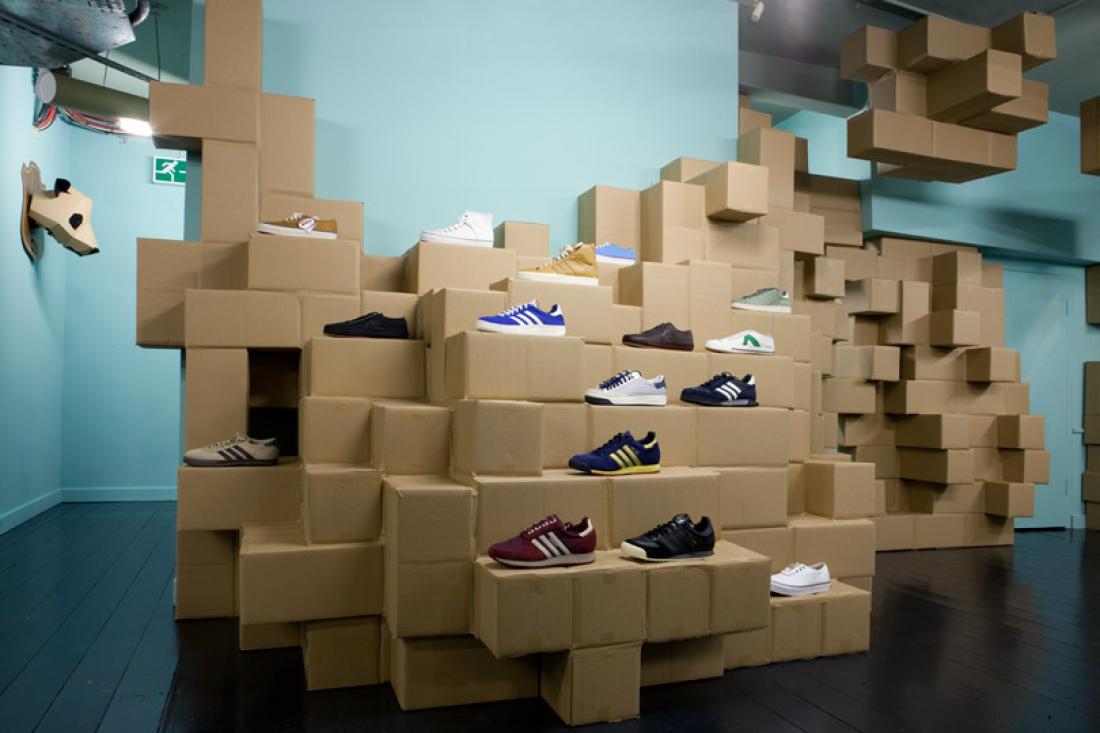
Cardboard shoe boxes are widely used by footwear brands, retailers, wholesalers, and online stores. They provide a simple way to store, protect, organize, and transport shoes while keeping them presentable. From everyday footwear to premium leather shoes and sports sneakers, the right box helps protect products from dust, scratches, and minor pressure during handling.
Businesses can choose from standard packaging or invest in custom cardboard shoe boxes that match their brand identity. The best option depends on the type of footwear, packaging budget, storage needs, and printing requirements.
Whether you need a few boxes for personal storage or cardboard shoe boxes bulk for a retail business, understanding the available materials and printing methods will help you make a better decision.
What Are Cardboard Shoe Boxes?
Cardboard shoe boxes are containers made from paper-based materials designed to hold and protect footwear. They usually come in rectangular shapes with a separate lid, a hinged top, or a folding construction.
These boxes are available in different sizes to accommodate flats, sandals, formal shoes, children’s footwear, boots, and sneakers. Some designs include ventilation holes, finger openings, product labels, or reinforced corners.
For footwear businesses, packaging also serves as a branding tool. A well-designed box can display the company logo, shoe size, product name, color, and other details customers need when buying or storing shoes.
Custom packaging can be particularly useful for retailers that want their products to look consistent across physical stores and online orders.
Recommended Materials for Cardboard Shoe Boxes
Choosing the right material is important because it affects the box’s strength, appearance, cost, and suitability for printing. Not every shoe requires heavy-duty packaging, so the material should match the product and its intended use.
1. Folding Boxboard
Folding boxboard is a popular option for lightweight shoe packaging. It has a smooth surface that works well with printed graphics, logos, and product information.
It is suitable for casual footwear, children’s shoes, sandals, and lightweight retail products. Brands can use it for attractive packaging without adding too much weight.
However, folding boxboard is generally less rigid than corrugated board. It may not be the best choice for heavy footwear or boxes that will be stacked under substantial pressure.
2. Corrugated Cardboard
Corrugated cardboard contains a fluted paper layer between flat liner sheets. This structure improves rigidity and provides additional resistance to crushing and everyday handling.
It is a good option for shipping footwear, e-commerce orders, and cardboard sneaker boxes that require extra support. Corrugated material can also be useful when boxes are stored in warehouses or transported in larger quantities.
Different flute profiles and board grades offer different levels of strength. Lightweight corrugated board may be sufficient for regular shoes, while heavier constructions can be considered for larger or heavier products.
3. Solid Paperboard
Solid paperboard offers a smooth, firm surface that is suitable for retail packaging. It can provide a clean appearance and support detailed printing, making it useful for footwear brands that prioritize presentation.
Depending on its thickness and construction, it can be used for casual shoes, premium flats, and selected retail packaging applications. It is worth testing the finished box before choosing it for heavy products or long-distance shipping.
4. Recycled Paperboard
Recycled paperboard is made using recovered paper fibers. It can be a practical choice for businesses looking to reduce their reliance on virgin paper materials.
It is commonly considered for economical packaging, everyday footwear, and simple storage boxes. Its strength, surface quality, and color consistency vary according to the grade and manufacturing process.
If the box needs high-quality images or precise brand colors, ask the supplier for a sample before approving a large order.

Material Comparison Table
| Material | Main advantage | Best suited for |
|---|---|---|
| Folding boxboard | Smooth printing surface | Lightweight retail footwear |
| Corrugated cardboard | Strong and rigid construction | Shipping, sneakers, and warehouse storage |
| Solid paperboard | Firm, clean appearance | Premium retail packaging |
| Recycled paperboard | Uses recovered paper fibers | Budget-conscious and everyday packaging |
The right choice depends on the footwear’s weight, the box dimensions, expected handling, and the desired finish. For many brands, a combination of suitable board strength and a well-designed structure offers better results than simply selecting the thickest material.
Printing Options Available for Cardboard Shoe Boxes
Printing helps footwear brands create recognizable packaging and communicate product information. Depending on the material and order quantity, businesses can choose simple logo printing or full-color designs covering the entire box.
A custom printed shoe box may feature the brand logo, product name, shoe size, color code, barcode, website, or promotional message. The printing method should be selected according to the design, budget, order volume, and surface of the material.
Comparison of Printing Methods
| Printing option | Main features | Best suited for |
|---|---|---|
| Digital printing | Suitable for short runs, detailed artwork, and multiple designs | Startups and small orders |
| Offset printing | Sharp text, detailed images, and consistent color reproduction | Large retail orders and branded packaging |
| Flexographic printing | Efficient for printing on corrugated materials and larger production runs | Shipping boxes and bulk packaging |
| Screen printing | Applies ink through a screen, often for simple graphics and bold colors | Basic logos and selected specialty designs |
| Foil stamping | Adds metallic gold, silver, or other foil details | Premium footwear and gift packaging |
Digital and offset printing are common choices for custom retail packaging, while flexographic printing is useful for many corrugated applications. The final choice depends on the board surface and the printer’s equipment.
Popular Printing Finishes
Printing is only one part of the design. Finishes can change how the box looks and feels, as well as how well its printed surface withstands handling.
- Matte lamination: Creates a smooth, low-shine appearance suitable for minimalist and premium brands.
- Gloss lamination: Adds shine and can make printed colors appear more vibrant.
- Embossing: Raises selected elements, such as a logo, above the surface.
- Debossing: Presses a design into the material to create a recessed effect.
- Foil stamping: Adds metallic details for a more decorative appearance.
- Spot UV: Applies a glossy coating to selected areas, such as a logo on a matte background.
- Water-based coatings: Can provide surface protection while supporting certain paper-based packaging designs.
Not every finish is necessary. For inexpensive everyday packaging, a simple printed logo may be enough. Luxury brands may prefer a combination of matte lamination, embossing, and foil stamping.
Before approving production, request a digital proof or physical sample. This helps you check logo placement, color accuracy, box dimensions, and the overall appearance.
Benefits of Custom Cardboard Shoe Boxes
Custom packaging allows a footwear business to choose the box dimensions, material, opening style, and printed design according to its products.
Important benefits include:
- Better product protection: A properly sized box helps reduce unnecessary movement and protects footwear from dust and surface scratches.
- Brand recognition: Printed logos and consistent colors help customers identify a brand.
- Efficient storage: Stackable designs can make warehouse organization easier.
- Product identification: Labels can show shoe sizes, model numbers, colors, and barcodes.
- Flexible pricing: Businesses can select materials and finishes that match their budgets.
- Improved presentation: A clean, well-designed box makes footwear more appealing in stores and during online deliveries.
For companies that sell athletic footwear, cardboard sneaker boxes can also display product details and size information, making inventory management easier for retailers.
How to Buy Cardboard Shoe Boxes in Bulk?
Businesses purchasing cardboard shoe boxes wholesale should compare more than the quoted price per unit. Material quality, printing costs, delivery charges, and minimum order quantities can all affect the final cost.
Before placing an order, consider the following:
- Measure the shoes, including their widest points and tallest sections.
- Decide whether you need a lid-and-base box, folding carton, or corrugated shipping box.
- Confirm the board grade and thickness.
- Request samples to check the fit and durability.
- Compare prices for different order quantities.
- Ask about printing setup fees, finishing costs, and delivery times.
- Check whether boxes arrive flat-packed or assembled.
- Confirm the supplier’s policy for defective or incorrectly printed boxes.
Cheap cardboard shoe boxes can be a sensible option for basic storage and high-volume operations. However, choosing the lowest-priced material without checking its strength may lead to crushed boxes or poor presentation. A practical approach is to compare the total cost with the quality and protection provided.
Where Can I Buy Cardboard Shoe Boxes?
You can buy cardboard shoe boxes from packaging manufacturers, wholesale suppliers, online packaging stores, and local carton manufacturers. The best option depends on how many boxes you need and whether you want plain packaging or custom printing.
Here are a few online suppliers to explore:
-
- Teal Packaging — Offers made-to-order cardboard, kraft, and corrugated shoe boxes, along with custom printing options.
- Easy Box Packaging — Provides customizable shoe boxes for businesses that need specific dimensions, finishes, and quantities.
- Zee Custom Boxes — Offers custom shoe boxes in different materials, sizes, and printing styles. Suitable for businesses looking for branded retail packaging.
These are examples of suppliers to compare, not endorsements. Check their current shipping coverage, minimum order quantities, samples, and pricing before placing an order.
Where to Buy Cardboard Shoe Boxes for Wholesale Orders?
If you need cardboard shoe boxes bulk, contact a packaging manufacturer directly or request quotes from several wholesale suppliers. Direct manufacturers may offer more flexibility in material selection, box dimensions, and printing than standard retail sellers.
When searching for a cardboard shoe boxes manufacturer USA, look for suppliers that provide clear specifications, pre-production samples, and delivery estimates. If you are purchasing from another country, compare import costs and freight charges with local manufacturing options.
For the best results, request quotations for at least two quantities, such as 500 and 2,000 boxes. This will help you understand how order volume affects the unit price.
Conclusion
Cardboard shoe boxes provide practical storage, product protection, and branding opportunities for footwear businesses. Folding boxboard is suitable for lightweight retail packaging, corrugated cardboard offers additional strength, and rigid paperboard creates a premium presentation.
Printing options range from digital and offset printing to flexography, foil stamping, and embossed logos. The right combination depends on the product, budget, order quantity, and desired appearance.
Whether you need cheap cardboard shoe boxes for everyday use or custom cardboard shoe boxes for a footwear brand, focus on material quality, accurate sizing, print quality, and supplier reliability. Comparing samples and quotations before ordering can help you find packaging that protects your products and represents your brand well.