
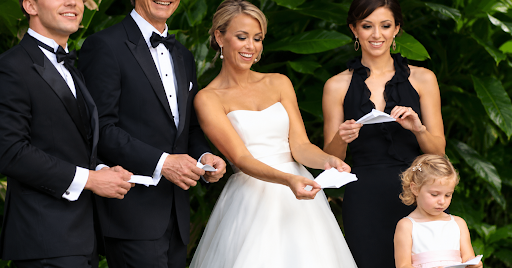
A wedding ceremony often includes traditions that reflect love, remembrance, hope, and new beginnings. A live butterfly release can add a distinctive outdoor moment to the celebration while giving the couple and guests an opportunity to pause and share a symbolic experience. However, planning a butterfly release at wedding ceremony requires more than simply purchasing butterflies and opening their containers. Species selection, weather, transportation, venue rules, timing, and responsible handling all deserve attention.
Because butterflies are living organisms, couples should work with an experienced supplier and understand the regulations that may apply to transporting and releasing them. In the United States, the U.S. Department of Agriculture’s Animal and Plant Health Inspection Service (USDA APHIS) regulates the importation and interstate movement of live butterflies and moths, with specific rules applying to butterflies intended for environmental release.
Why Choose Butterflies for a Wedding?
Butterflies are often associated with transformation, beauty, renewal, and new beginnings. These associations can make them particularly fitting for a wedding, which represents a major transition in a couple’s life.
A butterfly release can also create a shared visual moment for guests. Instead of simply watching a ceremony, attendees can participate in an experience that takes place outdoors and naturally changes from one moment to the next.
The symbolism does not have to follow a particular tradition. Some couples may view the butterflies as a representation of starting a new chapter, while others may associate them with family members who cannot attend the wedding or with personal memories.
When Should the Butterfly Release Take Place?
The release can be incorporated into several points of a wedding schedule. Common possibilities include immediately after the ceremony, following the exchange of vows, during a dedicated moment of reflection, or as guests move from the ceremony location toward the reception.
Timing should be coordinated with the photographer and wedding coordinator. A release that happens too quickly may be difficult to photograph, while an overly complicated setup can interrupt the flow of the event.
If guests will receive individual butterflies, they should be given clear instructions about when to open their containers. If the release is performed as a group, one designated person can coordinate the timing.
What Weather Conditions are Suitable?
Weather is one of the most important considerations when planning a live butterfly release.
Butterflies rely on environmental warmth for normal activity and flight. Cold temperatures, rain, and strong winds can make it difficult for them to fly. Specialist butterfly-release guidance recommends warm, sunny outdoor conditions and advises against releasing butterflies in cold or rainy weather.
This makes the wedding date and venue important factors. A couple planning an outdoor summer wedding may have more favorable conditions than someone planning an outdoor event during a cooler or unpredictable season.
Because weather forecasts can change, couples should establish a backup plan with the supplier. The plan might involve delaying the release, changing the timing, or following the supplier’s recommendations if conditions are unsuitable.
How Many Butterflies Should you Release?
There is no single number that is appropriate for every wedding. The ideal quantity depends on the number of participants, release format, venue size, budget, and desired effect.
An individual release allows selected guests to open containers one at a time or simultaneously. A group release can involve a larger number of butterflies being released together.
The number should be planned with the supplier rather than selected solely according to the guest count. The supplier can explain available packages and how the butterflies are expected to behave during the release.
Where can I Order Butterflies?
If you are wondering where can i order butterflies, start by looking for a specialist supplier that has experience shipping live butterflies for weddings and other events.
A reputable supplier should be able to provide information about species, shipping, handling, release conditions, and legal requirements. Ask whether the supplier ships to your state and whether the species you are considering can legally be released at your specific destination.
Specialized suppliers may offer butterflies in different formats, including individual release containers or larger group-release boxes. Some may also provide written instructions for receiving and preparing the butterflies.
Before ordering, provide the supplier with your exact wedding date and location. This allows them to determine whether the requested species and shipping schedule are appropriate.
Which Butterfly Species can be Released?
Species selection requires particular attention because not every butterfly can legally be released in every location.
USDA APHIS currently lists specific species that it will consider for environmental-release permits depending on the origin and destination. The list includes species such as Painted Lady, Red Admiral, American Painted Lady, Black Swallowtail, Gulf Fritillary, and others.
Monarch butterflies have an additional restriction: USDA states that it does not issue permits for interstate movement of monarchs across the continental divide for environmental release.
Therefore, couples should not choose a species simply because it is attractive or commonly associated with weddings. The legality and suitability of the species for the exact release location should be confirmed first.
What are the Transportation Requirements?
Live butterflies need careful transportation because they can be affected by temperature, physical movement, and handling.
Some suppliers use insulated shipping containers and cooling packs to keep butterflies calm during transportation. For example, Cloverlawn’s release instructions explain that its butterflies are shipped in an insulated cooler and should remain in a cool, quiet location until preparation for release.
When the shipment arrives, the instructions provided by the supplier should be followed exactly. The butterflies should not be exposed to direct sunlight or inappropriate temperatures while waiting for the ceremony.
The person responsible for receiving the shipment should therefore be identified in advance. It may not be practical to leave the package unattended while the wedding party is busy with preparations.
How Should Butterflies be Prepared for Release?
Preparation varies by species and supplier, so couples should follow the instructions supplied with their order.
For some butterflies, warming them gradually before release allows them to become active. Specialist release instructions may recommend keeping the butterflies cool before the event and allowing them to warm naturally shortly before release.
The butterflies should not be handled unnecessarily. Guests should also be told not to open individual containers until the designated time.
A wedding coordinator, trusted family member, or supplier representative can oversee the process so the couple does not have to manage the butterflies during the ceremony.
What Should You ask the Wedding Venue?
Before ordering, ask the venue whether live butterfly releases are permitted.
Some venues may have rules concerning outdoor activities, wildlife, gardens, conservation areas, or live animals. A cemetery, botanical garden, public park, private estate, or hotel property may each have different policies.
Also consider where the butterflies will be released. The location should provide adequate space and appropriate vegetation or surroundings while avoiding areas where guests could accidentally step on or disturb the insects.
If the venue has restrictions, find out before paying for a butterfly shipment. This can prevent a situation where the release is prohibited on the wedding day.
Are Permits Required for a Wedding Release?
Potentially. USDA APHIS states that permits are required for the importation and interstate movement of live butterflies and moths under federal regulations.
The rules can depend on the species and destination. USDA also notes that suppliers sending butterflies for environmental release need permits for each state to which regulated species are being sent.
Federal requirements are not necessarily the only rules that apply. State and local authorities can have additional requirements or restrictions.
For this reason, couples should ask the supplier which permits apply and independently confirm venue and local requirements before finalizing the release.
How Can You Make the Release Meaningful?
The release does not need to be complicated. A short reading or statement can explain what the butterflies symbolize to the couple.
For example, the officiant could introduce the release as a representation of the couple beginning a new chapter together. Alternatively, the couple could dedicate individual butterflies to important family members or loved ones.
Photography should also be planned carefully. The photographer needs to know when the release will occur so they can position themselves appropriately without interfering with guests or the butterflies.
Most importantly, the release should complement the wedding rather than become the central logistical challenge.
What Is a Good Backup Plan?
A backup plan is essential for any live-animal outdoor event.
If heavy rain, cold temperatures, or strong winds occur, the butterflies may not be suitable for release. Specialist guidance specifically advises against releasing butterflies in cold or rainy conditions.
Discuss weather contingencies with the supplier before the wedding. Ask how much flexibility exists around the release time and what happens if conditions become unsuitable.
If the wedding has a strict schedule, consider building a short window into the timeline so the release can happen when conditions are most favorable.
Final Thoughts
A butterfly release at wedding ceremony can create a memorable moment that represents transformation, new beginnings, remembrance, or another meaning chosen by the couple. However, successful planning depends on treating the butterflies as living creatures rather than simply as wedding decorations. If you are deciding where can I order butterflies, choose a specialist supplier that can explain the species, shipping process, care requirements, release conditions, and applicable legal considerations for your wedding location. Planning these details well in advance can help ensure that the release is both meaningful and responsibly conducted.