
Let’s be real, Colorado has become one of the biggest hotspots in the country for tiny house living, and it’s not hard to see why. You’ve got mountain towns, wide open land, and a state that (mostly) doesn’t hate the idea of small footprint living. But here’s the catch nobody tells you upfront: wanting a tiny home and legally owning one are two very different things. A lot of folks get excited, buy a trailer, slap some walls on it, and then find out their county won’t let them park it anywhere long term. That’s the gap between dreaming about tiny home builders colorado and legal tiny house living, and actually pulling it off without getting a knock on your door from code enforcement.
Zoning Laws Are Where Most People Get Stuck
Here’s the part that trips up almost everybody. Zoning laws vary wildly county to county, sometimes even neighborhood to neighborhood within the same city. Denver has its own rules. Boulder’s different. Some rural counties in Colorado are surprisingly relaxed, allowing tiny homes as accessory dwelling units or even as a primary residence on agricultural land. Others still treat any structure under a certain square footage as “not a real house,” and that phrase alone has killed more tiny home plans than bad construction ever has. Before you buy land or commission a build, call the local planning department. Not email, call. You want a real human answering zoning questions, not a form letter.
Wheels Versus Foundation, And Why It Matters More Than You Think
This decision changes everything downstream. A tiny house on wheels gives you mobility and, frankly, an easier path to being classified similarly to an RV, which sidesteps a lot of the stricter residential code requirements. But mobility comes with its own headache, some counties won’t let you live in something on wheels full time, even if it’s parked on your own land. A foundation-built tiny home, on the other hand, is treated as a permanent structure, which opens the door to things like traditional financing and easier insurance, but it locks you into the IRC or Appendix Q requirements for insulation, egress windows, ceiling heights, and stairs versus ladders. Neither option is “better,” they’re just different games with different rules.
The Colorado Counties Actually Welcoming Tiny Homes
Some parts of the state have flat out embraced small living. Walsenburg, for example, became something of a tiny house pioneer town, updating its codes specifically to welcome tiny homes on foundations. Salida and other mountain communities have grown more flexible too, partly because affordable housing pressure has forced local governments to get creative. Meanwhile places closer to the Front Range corridor can be stricter, mostly because of higher population density and stronger zoning enforcement. If being legal matters to you as much as the build itself, and it should, do your homework on location before you fall in love with a piece of land.
Building Codes, Inspections, And The Paper Trail
Nobody loves paperwork, but skipping it is how people end up with a beautiful tiny home they can’t actually live in legally. If you’re going the foundation route, expect inspections at multiple stages: foundation, framing, electrical, plumbing, insulation, and final. Appendix Q was actually written to make tiny homes easier to permit, addressing things like loft ceiling heights and ladder access that used to disqualify tiny builds under standard code. For homes on wheels, RVIA or NOAH certification acts as your seal of approval, and it matters more than people realize when it comes to insurance, financing, and even just parking somewhere long term without hassle.
Finding Land That Actually Allows What You Want To Build
This is where a lot of dreams stall out. You can have the perfect trailer and the perfect floor plan, but if the land you’re eyeing doesn’t allow tiny homes, none of that matters. Some counties require a minimum square footage for any dwelling, which straight up excludes most tiny homes unless you’re using it as an ADU behind a bigger house. Others have deed restrictions from old subdivisions that predate the whole tiny house movement and just weren’t written with 200 square foot homes in mind. Talk to a real estate agent who specifically knows tiny house friendly land in Colorado, it’ll save you months of frustration.
Why Working With Local Tiny Home Builders In Colorado Matters
You could technically build a tiny house yourself, plenty of people do. But working with tiny home builders colorado locals who already know the permitting process in specific counties is worth its weight in gold. They know which inspectors are strict about egress windows, which counties actually enforce Appendix Q versus just having it on the books, and how to build something that’ll pass inspection the first time instead of getting bounced back three times. A builder with local experience isn’t just building your walls, they’re navigating a system that’s genuinely confusing even for people who’ve lived here their whole lives.
The Real Cost Of Doing This Legally
Let’s talk money for a second, because going the legal route costs more upfront than the sketchy version. Permits, inspections, certified trailers, proper insulation, code compliant electrical, it all adds up. A DIY tiny home on a bargain trailer might run you twenty grand. A properly built, code compliant tiny house with a certified trailer chassis can run anywhere from sixty to over a hundred thousand depending on finishes. It stings to hear that number, I know. But the alternative, an uninsurable, unfinanceable, potentially illegal structure, costs way more in the long run when you can’t sell it, can’t insure it, or get forced to move it.
Why The Trailer Itself Is The Foundation Of Legal Tiny Living
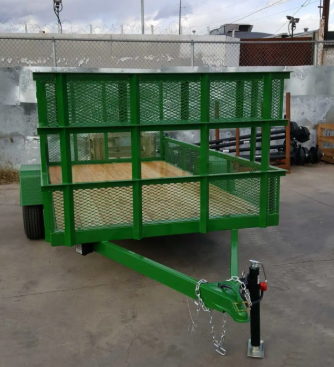
Here’s something people underestimate constantly. If you’re building a tiny home on wheels, the trailer isn’t just a platform, it’s the literal foundation of whether your build can be certified and legally classified at all. A cheap, uncertified trailer that isn’t rated for the weight of a full tiny home build is a liability waiting to happen, both structurally and legally. A custom built trailer, engineered specifically for the load and dimensions of your tiny home, makes the certification process smoother and gives inspectors and insurers something solid to sign off on. This is genuinely one of the most overlooked decisions in the whole process, and it’s usually the first thing that should get locked in, not the last.
Ready To Build It Right
The short answer is this: going tiny in Colorado is absolutely doable, but doing it legally takes research, patience, and starting with the right foundation, literally. Don’t cut corners on zoning research, don’t skip the permitting conversation, and don’t build on a trailer that wasn’t made for the job. If you’re serious about getting this right from the ground up, reach out to Trailer Made Custom Trailers to start. They build the kind of solid, code ready foundation that makes the rest of your legal tiny house journey a whole lot less painful.
FAQs
Is it legal to live in a tiny house full time in Colorado?
Yes, in many counties, but it depends heavily on local zoning and whether your home is on wheels or a foundation. Always check with the specific county before you build.
Do I need a permit for a tiny home on wheels in Colorado?
Usually not the same building permit as a foundation home, but you’ll likely need RVIA or NOAH certification and possibly a special use permit depending on where you park it.
What is Appendix Q and does Colorado use it?
Appendix Q is a building code addition made specifically for tiny homes under 400 square feet, and many Colorado counties, though not all, have adopted it.
Can I put a tiny house on my own land in Colorado?
Sometimes, yes, especially as an accessory dwelling unit, but it depends on your county’s zoning rules, minimum square footage requirements, and any deed restrictions on the property.
Why does the trailer matter so much for a legal tiny house build?
A properly engineered, certified trailer is often required for insurance, financing, and legal classification, making it one of the most important early decisions in the whole build.