
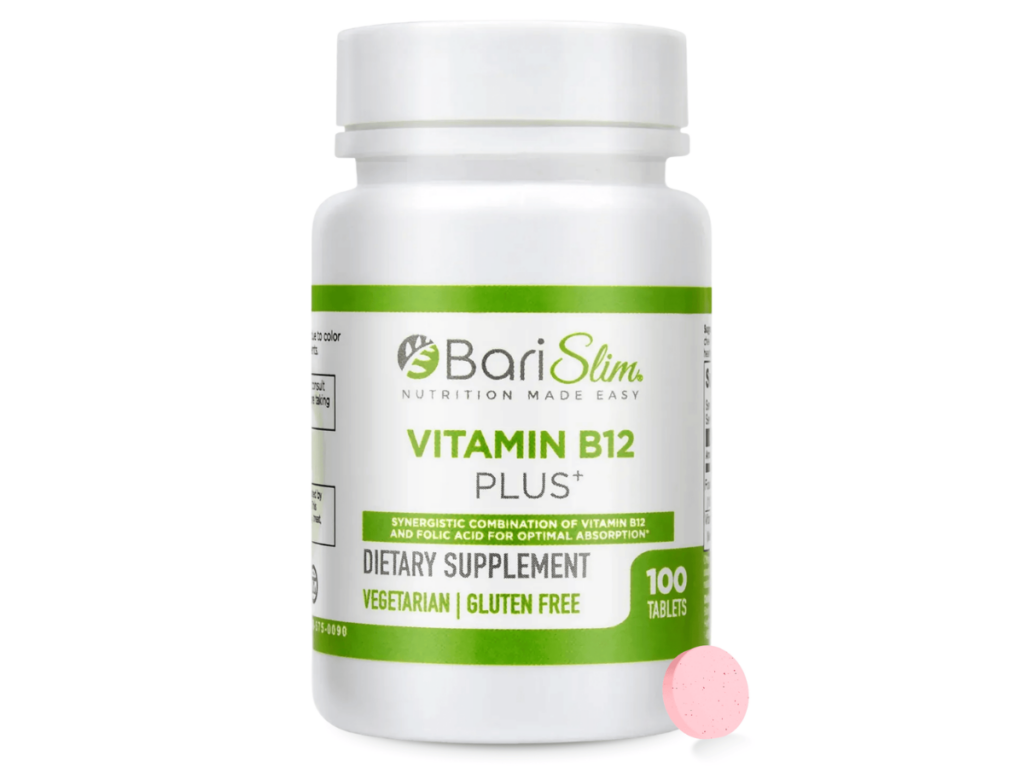
Bariatric surgery is a life-changing intervention for individuals managing obesity and related health conditions. However, while the procedure alters the digestive system to support weight loss, it also affects nutrient absorption. This makes bariatric surgery vitamins a daily necessity rather than an optional addition. Without proper supplementation, patients risk developing deficiencies that can impact long-term health, recovery, and overall well-being.
Why Vitamin Supplementation Is Non-Negotiable
After bariatric procedures such as gastric bypass or sleeve gastrectomy, the body’s ability to absorb essential vitamins and minerals is significantly reduced. Smaller stomach size, altered digestion, and bypassed sections of the intestine all contribute to this challenge. As a result, relying solely on diet is rarely sufficient.
This is where bariatric surgery vitamins play a crucial role. They are specifically formulated to meet the altered nutritional needs of post-surgery patients, ensuring that the body continues to receive the nutrients required for proper functioning. Consistent intake helps prevent complications such as fatigue, anemia, bone loss, and neurological issues.
Key Vitamins and Minerals You Need Daily
Vitamin B12 and Iron for Energy and Blood Health
Vitamin B12 and iron are among the most commonly deficient nutrients after bariatric surgery. B12 is essential for nerve function and red blood cell production, while iron supports oxygen transport in the blood. Deficiency in either can lead to anemia, weakness, and cognitive issues.
High-quality bariatric surgery vitamins typically include these nutrients in bioavailable forms, making them easier for the body to absorb even with a modified digestive system.
Calcium and Vitamin D for Bone Strength
Calcium absorption is often compromised after surgery, increasing the risk of bone density loss over time. Vitamin D works alongside calcium to support bone health and immune function.
Daily supplementation through bariatric surgery vitamins helps maintain strong bones and reduces the risk of fractures or osteoporosis, particularly in the long term.
Folate and Other B Vitamins for Metabolism
Folate, along with other B-complex vitamins, plays a key role in energy metabolism, DNA synthesis, and cell regeneration. These nutrients are especially important during the rapid weight loss phase following surgery.
Incorporating vitamins for bariatric surgery ensures that metabolic processes continue efficiently, supporting both physical and cellular health.
Choosing the Right Bariatric Vitamins
Not all supplements are created equal. Standard over-the-counter multivitamins often do not meet the specific needs of bariatric patients. Specialized formulations are designed with higher concentrations and enhanced absorption capabilities.
When selecting bariatric surgery vitamins, it is important to look for options that include:
- Complete multivitamin coverage
- Adequate levels of B12, iron, calcium, and vitamin D
- Easy-to-absorb forms such as chewables or liquids
- Compliance with medical guidelines for post-bariatric care
Consulting with a healthcare provider is essential to determine the right dosage and combination based on individual needs and the type of surgery performed.
Long-Term Commitment to Nutritional Health
Taking vitamins after bariatric surgery is not a temporary phase—it is a lifelong commitment. As the body continues to adapt over time, nutritional requirements remain elevated. Skipping supplements, even occasionally, can lead to cumulative deficiencies that may take months or years to correct.
Regular monitoring through blood tests is also necessary to ensure that bariatric surgery vitamins are effectively maintaining nutrient levels. Adjustments may be required based on changes in lifestyle, diet, and overall health.
Conclusion
Maintaining proper nutrition after bariatric surgery requires more than mindful eating—it demands consistent and targeted supplementation. For many patients, incorporating a chewable bariatric multivitamin into their routine offers both convenience and effective nutrient absorption. From supporting energy levels to preserving bone health, vitamins for bariatric surgery are essential for sustaining long-term results and preventing complications. Choosing the right formulation and staying consistent with daily intake can make a significant difference in recovery and quality of life.