
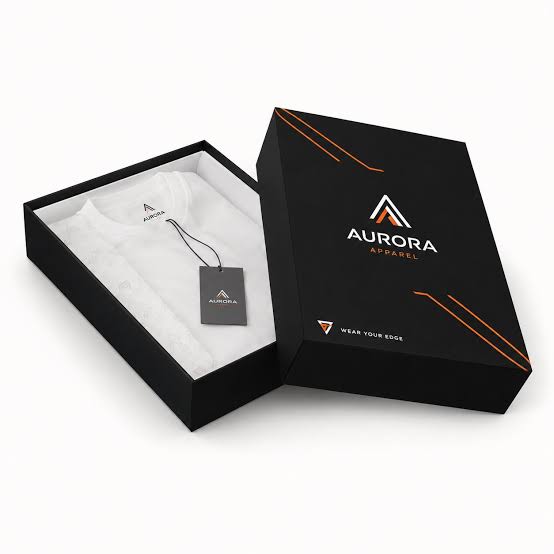
A shirt that arrives creased and tangled inside a plastic bag tells the customer something before they have tried it on. Clothing feels soft and forgiving, so packaging often gets treated as an afterthought, yet fabric has needs of its own. It has to stay flat, dry and clean from the warehouse to the doorstep, and it should come out of the box looking as though someone cared. A few decisions made early will keep you from reprinting boxes that do not fit the garments inside.
Start with how the garment folds
Box sizing begins with the folded item, not the product photo. A T-shirt folded in thirds has different dimensions from one rolled for a gift set, and a pair of jeans takes up far more depth than a scarf. Fold a few real samples the way your team will fold them on a busy shipping day, then measure length, width and stacked height. Add a little room so the garment slides in without being forced, but not so much that it shifts around in transit.
If your range includes several categories, resist the urge to design one box for everything. Two or three sizes usually cover most of a catalogue: a shallow box for tops and underwear, a deeper one for knitwear and denim, and a long, narrow one for accessories such as belts or ties.
Pick a box style for how you sell
A magnetic closure or a lift-off lid suits boutique gifts and special-occasion pieces, where the opening is part of the experience. A tuck-end or auto-lock bottom works for everyday basics that ship in volume, because it assembles quickly and stays shut. If most of your orders go through the post, a mailer-style box with a locking front saves tape and keeps the corners from getting crushed.
Businesses that sell through both a website and a physical shop often use two box styles, a sturdier shipping box and a lighter retail one. That keeps costs sensible while still giving each channel the right look. When you are comparing custom printed boxes for a clothing line, ask each supplier to show you the same style in two board weights so you can feel the difference before deciding.
Materials and finishes that suit fabric
Fabric picks up moisture and odours easily, so the board should stay stable if the box sits in a damp van or a cold porch for an afternoon. Kraft board has a natural look that suits relaxed or sustainability-minded brands, while a smooth white board gives more precise colour for graphic designs. Uncoated surfaces feel soft and quiet, and a matte laminate adds scuff resistance if boxes get handled a lot.
Be careful with heavy ink coverage on the inside of a lid or tray. Dark ink can rub off on pale fabric if the surface is not sealed properly, so ask about the printing method and request a sample you can test with a white garment. Tissue paper or a simple paper wrap adds a layer between cloth and board, and it costs very little compared with the effect on how the parcel feels to open.
Design the outside and the inside
The outside has a practical job, since your logo and a clean colour field need to be recognizable in a pile of parcels. The inside is where a clothing brand can show some personality. A pattern, a short care note or a line about the fabric turns the lid into something worth keeping. Leave room for a packing slip and keep the label area clear of folds and glued edges.
Keep type large enough to read at arm’s length, and check your artwork on a printed mock-up instead of a screen. Colours that look rich on a monitor can come out flatter on kraft board, so a proof saves you a disappointment later.
Plan for returns
Online clothing shoppers return items, and the box often has to make the trip back. A sturdy tuck closure or a reusable lid lets the customer repack the garment without extra tape, and it keeps your branding in front of them a second time. A reseal strip or a second adhesive tab can help with mailers, though it is worth asking your supplier how it holds up over repeated opening.
Once your sizes, board and print are settled, buying custom apparel boxes wholesale lets you spread setup effort across a larger run and keep the look consistent across seasons. Store the flat boxes in a dry place, away from direct heat, and order a small extra quantity so a late sale does not leave you packing in plain cartons.
Good clothing packaging rarely draws attention to itself. It keeps the garment fresh, it survives the trip, and it makes the first impression a good one.