
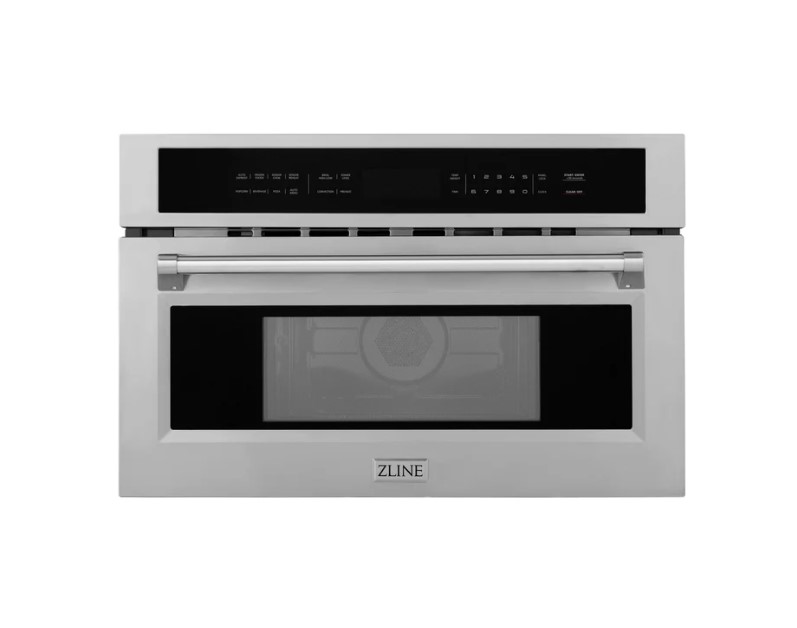
Is a stove really worth that much money? Anyone planning a kitchen upgrade eventually asks, and the answer depends on how you cook, what you value, and how your kitchen is laid out. Before comparing prices, it helps to know what the category actually includes. High-end cooking appliances promise stronger performance, finer control, and a polished look, yet ranges, rangetops, wall ovens, and microwaves each have very different strengths. The sections below break the topic into practical questions, from fuel types to size and layout, so your final choice matches real daily needs rather than a label or a trend.
What Sets Top-Tier Cooking Gear Apart?
Start with performance you can actually feel. Burner output, oven consistency, and construction quality are where high-end cooking appliances usually separate themselves from entry-level models. Look for responsive controls, even heat, and sturdy components, then consider design details such as finishes and handles. Finishes range from stainless steel to matte black and glossy white, so the appliance can match the room rather than dominate it. A strong appliance should perform well first and look good second.
Ranges, Rangetops, and Wall Ovens
These three formats solve different problems. A range combines cooktop and oven in one unit and typically comes in sizes from 24 to 60 inches, with larger models offering two ovens. A rangetop gives you only the cooking surface, which pairs with a separate wall oven built into cabinetry. For households that want professional cooking appliances arranged in a custom layout, the split approach lets each piece sit where it works best, and a built-in wall oven keeps countertops clear.
Gas, Dual Fuel, or Induction?
Fuel choice shapes the daily experience. Gas burners deliver instant, visible flame control, while a dual fuel range pairs that gas cooktop with an electric oven known for steady temperatures, which many bakers prefer. Induction heats cookware directly, needs no gas line, and offers fast heating without an open flame. When comparing luxury cooking appliances, match the fuel type to your cooking habits and to the utilities already available in your kitchen.
Power brings another consideration. Because cooking appliances often include strong burners, they usually call for a capable range hood, and gas models need a dedicated gas line. A dual fuel range also needs a 240-volt electrical connection for its oven.
Does Build Quality Matter?
Materials affect how equipment looks after years of use. Brass burners, for example, are valued for durability and naturally develop a patina over time, which is a normal oxidation process. Cast iron grates and porcelain cooktops add durability and easy cleaning, while convection fans promote even baking. When evaluating high-end kitchen equipment, read specifications closely and compare warranties, since construction details often explain differences in price.
A Quick Planning Checklist
Before shopping for luxury home appliances, work through these points:
- Measure the cutout, nearby cabinet openings, and clearance around the cooking area.
- Confirm gas, 240-volt electric, and ventilation requirements.
- Decide between a single range or a rangetop plus wall oven.
- Check oven count and capacity against how often you entertain.
- Compare finishes and handles so everything coordinates.
Mistakes Buyers Often Make
The most common error is buying on appearance alone. Another is ignoring how appliances work together: premium kitchen appliances perform best when the range, ventilation, and surrounding cabinetry are planned as one system. Buyers also forget installation needs, such as gas and electrical connections, and may need a professional to handle them.
Conclusion
So, is it worth it? Shoppers who want to see ranges, cooktops, wall ovens, and microwaves in one place can browse the collection at Smart Home Luxury and compare sizes and finishes side by side. For people who cook often, entertain regularly, or simply want a kitchen that works as well as it looks, the answer is often yes, provided the choices match real habits. Let function lead the decision.