
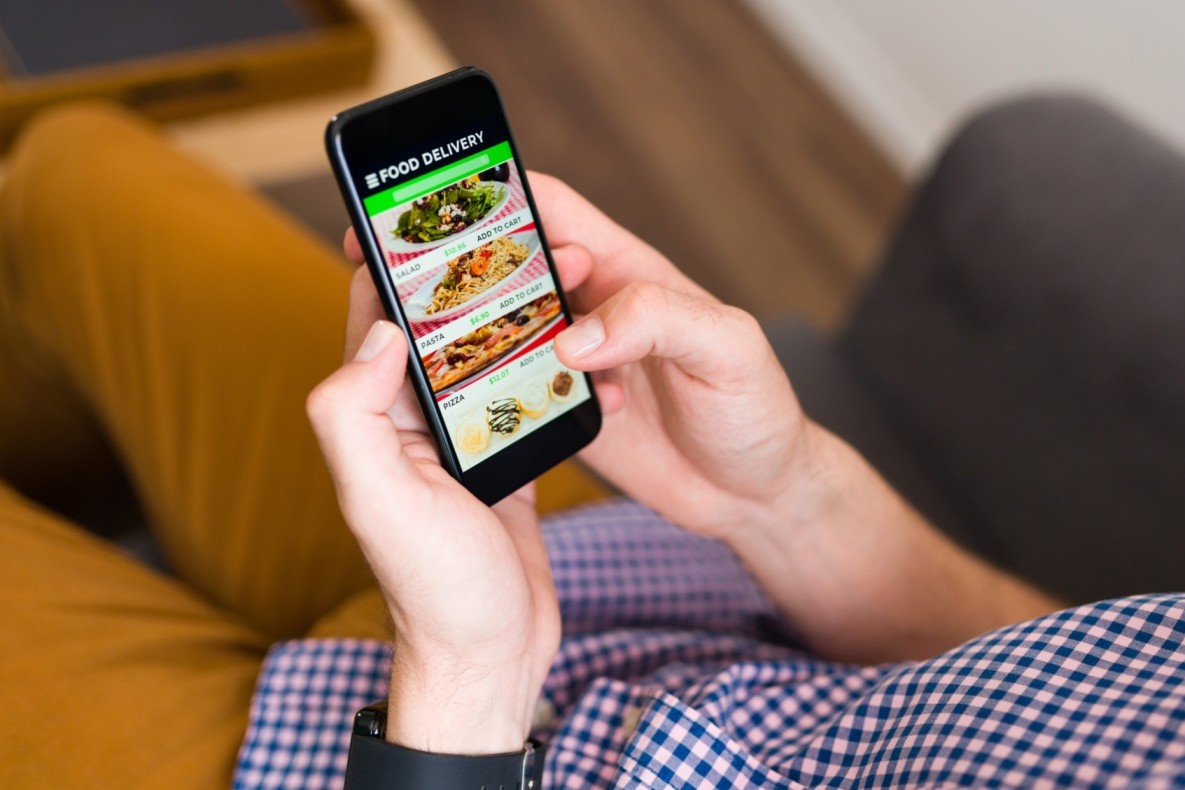
Behind every smooth food order is a stack of technology working quietly in the background. Menus load instantly, drivers appear on a live map, payments go through in seconds, and notifications arrive exactly when the food does. Customers never think about any of it, but they notice immediately when something breaks.
That is why technology decisions deserve careful thought before a single line of code is written. The tools you choose will affect your launch speed, your budget, your app’s performance, and how easily it can grow. Below, we break down the key choices, explain the trade-offs in plain language, and offer practical guidance for making them wisely.
Why the Best Food Delivery App Development Company Starts With Your Business, Not Its Favorite Tools
When you speak with the best food delivery app development company, you will notice that it asks about your goals before it recommends any technology. How many orders do you expect in the first year? Will you serve one city or several? Do you run your own drivers or connect with independent ones? These answers drive the technical decisions, not the other way around.
Be careful with any vendor who pushes one technology for every client. A framework that suits a large multi-city marketplace may be unnecessarily expensive for a single restaurant brand, while a lightweight build may collapse under the traffic of a fast-growing platform. A trustworthy partner explains why a particular stack fits your situation, compares alternatives honestly, and puts the reasoning in writing.
Native vs. Cross-Platform Development
The first major choice is how to build the customer-facing app.
Native development means building separate apps for iOS and Android using each platform’s own tools, typically Swift for iOS and Kotlin for Android. The advantages are top performance, smooth animations, and full access to device features such as GPS and background processing. The drawback is cost, since two codebases mean more time and a larger team.
Cross-platform development uses frameworks such as Flutter or React Native to build for both platforms from largely one codebase. This usually shortens development time and reduces cost, and the performance is good enough for most ordering apps. It can be less ideal for highly specialized features, though modern frameworks have closed most of the gap.
For many startups and small restaurant brands, cross-platform is a sensible starting point. Larger platforms with heavy real-time features may justify native builds for key apps, such as the driver app.
Backend Technology and Architecture
The backend is the engine of your platform. It manages users, menus, orders, payments, driver assignments, and communication between all the apps. Popular choices include Node.js, Python with Django, Java with Spring, and PHP frameworks such as Laravel.
Rather than chasing trends, consider three practical questions. Does your team or vendor have deep experience with the technology? Can it handle many simultaneous requests? Is there a healthy community and a ready supply of developers if you need to expand the team later?
Architecture matters as much as language. A modular design, where features such as payments, notifications, and order management are separated, makes it easier to update one part without breaking another. If you expect rapid growth, ask about microservices, which let you scale busy components independently.
Database Choices
Food delivery platforms handle a mix of structured data, such as orders and payments, and fast-changing data, such as driver locations. Relational databases like PostgreSQL and MySQL are well suited to transactions that must be accurate and consistent. Non-relational options such as MongoDB or Redis can complement them for caching, session data, and real-time updates.
A good food delivery app development solution often uses more than one database, each for what it does best. Ask your provider how data will be structured, backed up, and protected, and how the system will behave when traffic spikes.
Real-Time Features: Tracking and Notifications
Live order tracking is one of the features customers value most, and it depends on reliable real-time technology. Location services, WebSockets, and push notification platforms work together to show a driver’s position and update order status instantly.
Ask how the team handles battery usage on driver phones, poor network conditions, and map accuracy. Mapping services such as Google Maps or Mapbox are common choices, but their pricing varies with usage, so factor those costs into your long-term budget.
Payment Gateways and Security
Payments are where trust is won or lost. Look for integration with established gateways that support the methods your customers prefer, including cards, wallets, and local payment options. Features such as saved cards, refunds, tips, and split payments for marketplaces should be planned from the start.
Security should be built into every layer. That includes encrypted data transfer, secure authentication, role-based access for admins and restaurants, and compliance with recognized payment security standards. Ask how the team handles testing and what happens if a vulnerability is discovered after launch.
Cloud Hosting and Scalability
A holiday weekend or a viral promotion can multiply your order volume overnight. Cloud platforms such as AWS, Google Cloud, and Microsoft Azure let you add capacity as demand grows and reduce it when things quiet down, so you pay for what you use.
Ask about load balancing, automatic scaling, and monitoring tools that alert the team to problems before customers notice. These choices are far cheaper to plan early than to repair under pressure.
Third-Party Integrations
Few apps work in isolation. Your platform may need to connect with SMS and email services, analytics tools, customer support software, point-of-sale systems, and inventory management. Each integration adds complexity, so list the ones you truly need at launch and postpone the rest.
Check whether the provider has handled similar integrations before. Experienced teams save time because they already know the pitfalls.
Ready-Made Platforms vs. Custom Builds
Technology choice also includes deciding how much to build from scratch. A white-label or ready-made platform can launch quickly and cost less, which suits businesses testing a market. A custom build offers unique features and greater control, but needs more time and budget.
When comparing food app development services, ask whether a ready-made base can be upgraded later and whether you will own the source code. A flexible approach, starting with a proven foundation and customizing as you grow, works well for many businesses.
Matching Technology to Your Stage
Different stages of growth call for different choices:
- Single restaurant or small brand: a cross-platform customer app, a simple backend, and essential integrations
- Growing multi-location business: stronger backend architecture, a driver app, analytics, and loyalty features
- Multi-vendor marketplace: scalable cloud infrastructure, advanced order routing, split payments, and robust admin controls
Providers offering on demand food delivery app development services can usually help you map these stages, so you invest in what you need today while leaving room for tomorrow.
What to Ask Your Development Partner
Before committing, put these questions to any food delivery booking app development company you are considering:
- Why do you recommend this technology stack for my project?
- How will the system handle ten times today’s expected order volume?
- Who owns the source code, and is it fully documented?
- How do you protect customer and payment data?
- What ongoing maintenance and hosting costs should I expect?
- Can you show live apps built with the same technologies?
Clear, specific answers are a good sign. Vague or defensive ones are not.
Common Mistakes to Avoid
Many businesses choose technology because it is trendy, or because a vendor already uses it. Others focus only on launch cost and ignore maintenance and hosting. Some skip scalability planning, then face expensive rebuilds when growth arrives. Avoid these traps by writing down your goals, comparing at least a few proposals, and prioritizing long-term fit over short-term savings.
Final Thoughts
The right technology for a food delivery app is the one that matches your business model, budget, and growth plans. Native or cross-platform, custom or ready-made, simple hosting or advanced cloud architecture: each option has a place, and none is perfect for everyone.
Take time to define your needs, ask detailed questions, and begin with a focused first version that you can improve. A dependable food booking app development company will not simply hand you a list of tools. It will explain the reasoning, plan for growth, and help you build a platform that customers enjoy using today and that can scale confidently tomorrow.