
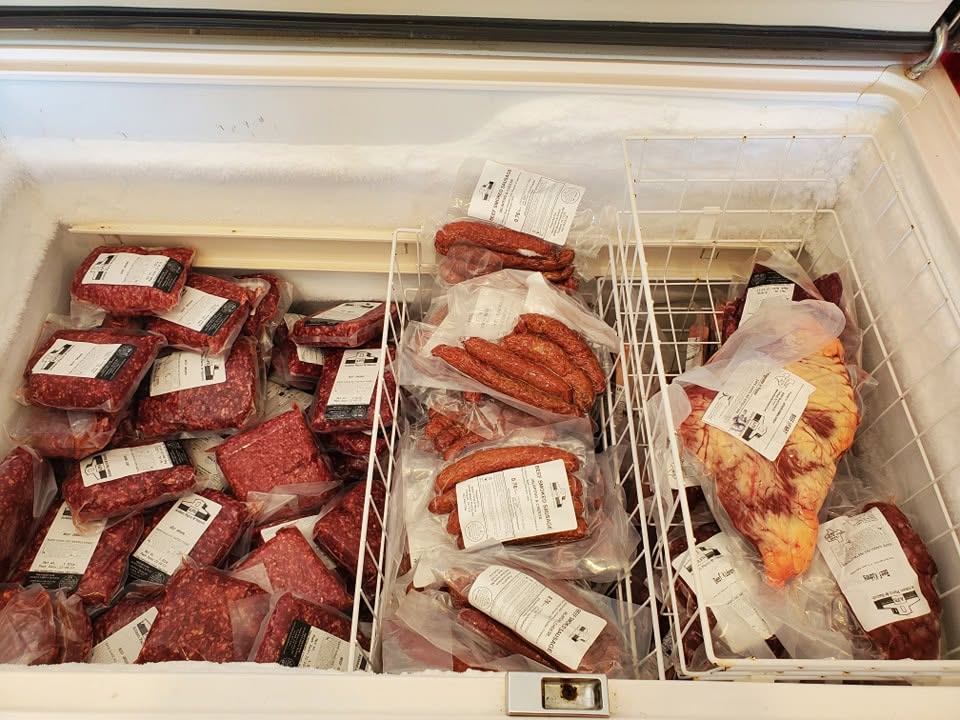
Feeding a family costs more every year, and beef is usually the line item that makes you wince at the register. That’s why more households are looking at ways to buy bulk meat straight from a ranch instead of piece by piece at the store. It isn’t just about price. It’s about knowing where dinner comes from, having a freezer you can count on, and not making a panic run for ground beef at 5pm. I’ve heard the same story from a dozen families, they just got tired of the sticker shock. Let me explain why this approach works, and what to look for in a supplier.
Knowing Where Your Beef Comes From
Start with trust, since that’s where most people feel uneasy. Supermarket beef goes through distributors, plants and trucks before it hits the shelf, and you can’t really trace it. Buying from a ranch is different. You can ask how the cattle were raised, what they ate, and who handled the processing. A good rancher answers those without squirming. Ask for their processor’s name, then ask why they picked them. You get a name, a place, a story. Honestly, that peace of mind is half the reason people switch and never look back.
Better Flavor and Quality From the Ranch
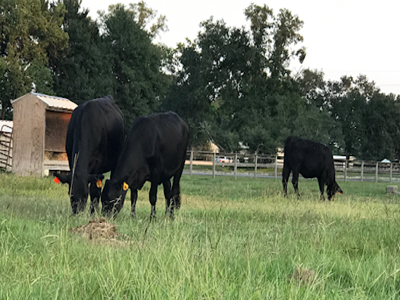
Quality is the next thing, and it’s easy to taste. Cattle raised on open pasture with room to move, handled calmly and finished well, tend to produce beef with better flavor and texture. Add some proper aging, a couple of weeks hanging, and steaks come out more tender. Ground beef tastes like beef instead of filler. Fat renders better, meat holds juice, little things. Texture is the real giveaway, not just taste. It’s not magic. It’s care and time, and you notice it the first time you fire up the grill. Plenty of folks say they can’t go back.
How Buying in Bulk Saves Money
Price is where bulk really shows its value. When you buy a quarter, half or whole beef, you pay a per pound rate on hanging weight plus processing, and the blended cost per pound often beats retail, especially when ground beef makes up a big share. Ground beef lovers win big here, since that’s usually the bulk of the order. Do the math carefully though. Divide the total by the packaged pounds you actually take home. That’s the real number. Compare it with what you spend at the store, and ask what’s included before you commit.
Convenience of a Stocked Freezer
Then there’s convenience, which people undersell. A stocked freezer means fewer grocery trips, fewer impulse buys, and dinner options ready to go. Pull out a pack of ground beef in the morning, thaw it in the fridge, dinner’s handled. Busy weeknights get easier. Nobody’s saying you’ll never shop again, you’ll still want fresh veggies. But the beef part gets simple. Budgeting does too, because you pay once and eat for months. Prices at the store jump around, but your freezer doesn’t care. Families with kids and big appetites tend to love this the most.
Finding Cow Farms Near You
Now, finding the right source matters. Searching cow farms near me in Tomball gives you a list, but they aren’t all the same. Some raise their own cattle, some resell, some finish on grass, some on grain. Ask where the animal was born, how it was fed, and which processor handles it. Ask whether pricing is by hanging weight, and what processing costs. Look at the website, but call too, because phone calls tell you how they treat customers. Visit if you can. A ranch that’s proud of its operation won’t mind you walking the pasture and asking questions.
Customizing Your Cuts
Customization is another big plus. Most ranches let you fill out a cut sheet, choosing steak thickness, roast sizes, package weights, and bone-in or boneless. Want more ground beef and fewer roasts? Say so. Love brisket? Ask for it whole. Smaller packages suit couples, bigger ones suit families. Ask about aging time and whether they’ll mark packages by cut and date. Just remember choices change your final weight, so ask the rancher how a boneless request will affect the total. This is food for your household, so shape it to how you actually eat.
Planning Freezer Space and Timing
Planning is part of the deal, and it’s not hard. You need freezer space, roughly one cubic foot for every 35 to 40 pounds. A quarter beef needs about three or four cubic feet, a half needs seven or eight, and a whole needs fourteen to sixteen. Vacuum sealed beef at zero degrees stays good for about a year. Processing slots fill up, so book ahead. Don’t forget about timing around holidays, slots book fast. Know your pickup date, bring coolers, and clear the space before the meat shows up.
Working With a Farm-Direct Ranch
So where does Blessings Ranch fit in? It’s a farm-direct operation, which is the model I’d look for when you want to know who raised your food. Dealing straight with the producer makes it easier to ask questions about the beef, the options, and how ordering works. As with any supplier, do your homework. Ask about the cattle, the processing, the price, and get details in writing. A ranch that’s proud of its product will happily talk it through with you. No pressure, no hard sell.
Final Thoughts on Your Family’s Beef Supply
At the end of the day, choosing a ranch for your family’s beef comes down to trust, quality, value and convenience. You want to know where it came from, you want it to taste right, and you want a fair price for what lands in your freezer. Ask the hard questions, compare a few options, and go with the one who gives you straight answers. Do that and every burger, steak and Sunday roast will feel like a good decision. It’s food you’ll feel good serving, and that matters.
Frequently Asked Questions
Why should I buy bulk meat from a ranch instead of the store?
You get traceability, better quality and often a lower cost per pound, plus a stocked freezer that cuts down on grocery runs. Just compare using take-home weight.
How do I find cow farms near me in Tomball?
Search local ranches, call a few, and ask where cattle are raised, how they’re fed and who processes them. Visit the ranch if you can and get pricing in writing.
How much beef comes from a quarter, half or whole cow?
Roughly 100 to 140 pounds from a quarter, 230 to 280 from a half, and 470 to 550 from a whole, depending on the animal and your cut choices.
How much freezer space do I need for bulk beef?
Plan on about one cubic foot per 35 to 40 pounds. A quarter needs three to four cubic feet, a half seven to eight, and a whole fourteen to sixteen.
How long does bulk beef last in the freezer?
About a year when vacuum sealed and kept at zero degrees. Label each package with the cut and date.