
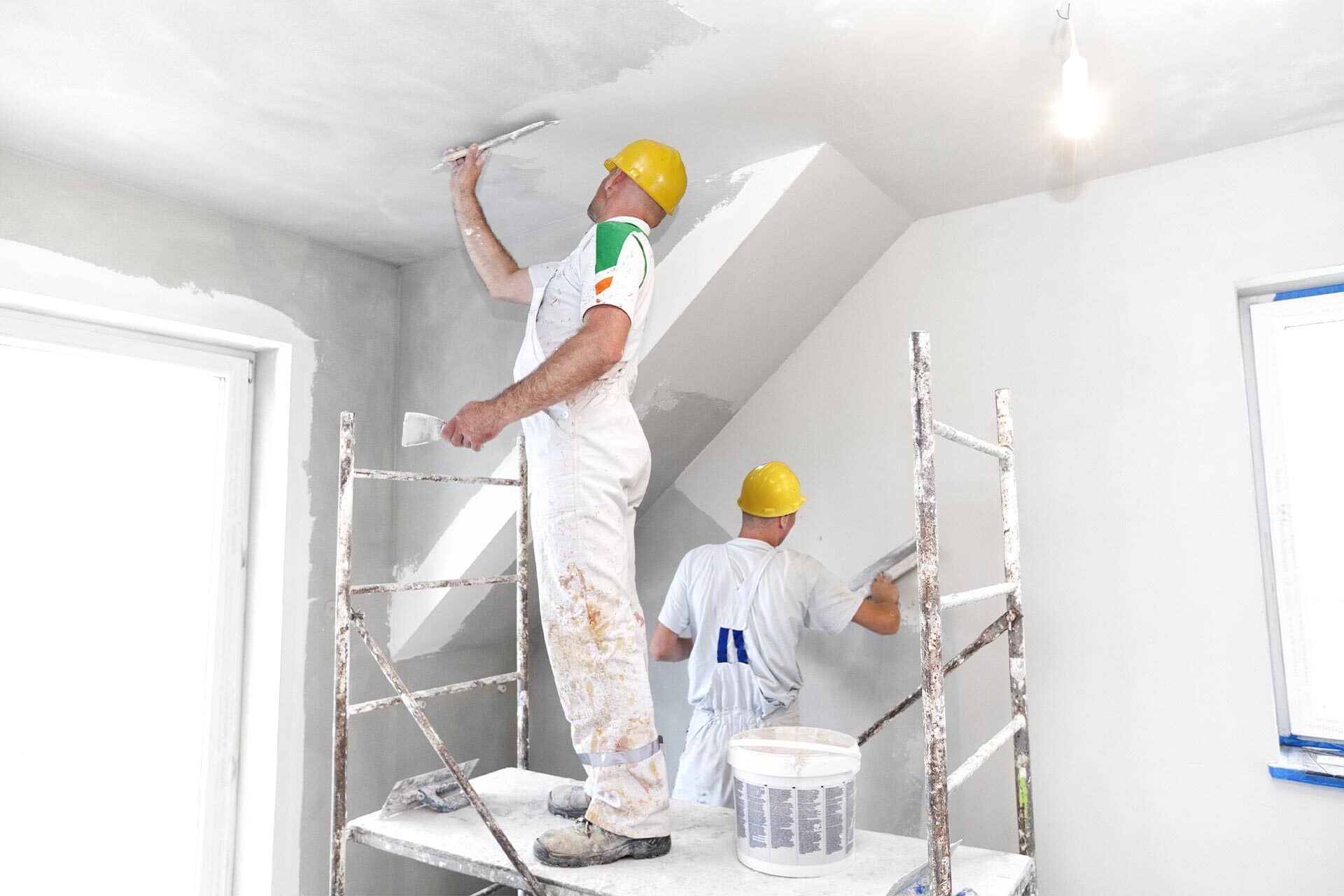
Drywall installation services play an important role in new construction, home remodeling, and commercial building projects. Drywall creates the interior surfaces that separate rooms and cover wall and ceiling framing. Proper installation provides a smooth base for paint, wallpaper, and other decorative finishes.
Property owners often need drywall installation when building a new home, finishing a basement, adding rooms, or updating older interiors. The quality of the installation affects the appearance and condition of the finished space. Accurate measurements, proper fastening, and careful joint preparation help create consistent results.
What Are Drywall Installation Services?
Drywall installation services involve measuring, cutting, fitting, and attaching drywall boards to interior framing. Contractors also handle joints, corners, fasteners, and surface preparation.
The process starts with checking the framing. Walls and ceilings need suitable support before installers attach the drywall. Damaged or uneven framing can affect the finished surface, so contractors address these conditions before installation.
Drywall sheets come in different sizes and thicknesses. The contractor selects suitable materials according to the building layout and project requirements.
Installation can take place in bedrooms, kitchens, living rooms, offices, basements, hallways, and other interior spaces. Each area may require different materials or installation details.
Types of Drywall Used in Construction
Standard drywall is suitable for many interior walls and ceilings. It has a gypsum core covered with paper and provides a smooth surface for finishing.
Moisture resistant drywall suits certain areas with higher humidity. It can help limit moisture related damage, but it does not replace proper waterproofing or ventilation.
Fire resistant drywall forms part of approved fire rated assemblies. Builders often use it where building codes or project plans require specific fire protection.
Mold resistant drywall offers additional resistance to mold growth. However, proper moisture control remains necessary to protect the entire wall or ceiling system.
Sound reducing drywall can help limit noise transmission when used in a suitable wall or ceiling assembly. Its performance depends on other components, including insulation, framing, and sealing.
Drywall Installation for New Construction
New construction projects require drywall installation after the framing, electrical, plumbing, and other required work reaches the appropriate stage.
The contractor reviews the building plans and measures each area. These measurements help determine material quantities and board placement.
Before installation, workers check that the framing provides suitable support. Electrical boxes, plumbing lines, and other systems must also be ready.
Installers cut drywall sheets to fit the wall and ceiling dimensions. They attach the boards using appropriate screws and fastening patterns.
Drywall finishing helps reduce unnecessary seams and waste. Workers also pay attention to corners, openings, and ceiling transitions.
Once the boards are installed, the project moves into taping and finishing.
Drywall Installation for Home Remodeling
Remodeling projects often require drywall work in existing homes. Homeowners may remove old walls, change room layouts, finish unfinished spaces, or replace damaged surfaces.
A drywall contractor first checks the existing structure. The team must understand where plumbing, electrical wiring, and other building systems run before cutting or removing drywall.
Basement remodeling often involves installing drywall over properly prepared framing. Moisture conditions deserve attention because basements can experience humidity and water intrusion.
Room additions require drywall installation that matches the existing interior as closely as possible. Contractors consider wall thickness, ceiling height, corners, and finishing details to create a consistent appearance.
The Importance of Accurate Measurements
Accurate measurements help installers plan the placement of drywall sheets. Poor measurements can create unnecessary joints, uneven edges, and wasted materials.
Contractors measure wall height and width before cutting boards. They also account for doors, windows, electrical outlets, and other openings.
Drywall sheets should fit the framing without forcing or bending them into position. Correct cutting helps maintain clean edges and reduces unnecessary damage.
Planning also helps contractors decide where to place seams. Staggering joints where appropriate can improve the overall installation.
Preparing Walls and Ceilings Before Installation
Surface preparation affects the quality of drywall installation. Contractors inspect framing members and check for loose sections, damaged wood, or alignment problems.
Electrical wiring and plumbing should reach the correct stage of completion before the walls close. Building inspections may also need to take place before drywall installation.
Workers remove debris and ensure that the installation area is ready. They may also check insulation and vapor control requirements according to local codes and building conditions.
This preparation helps avoid problems that become difficult to correct after drywall covers the framing.
Drywall Hanging and Fastening
Hanging drywall requires proper lifting, positioning, and fastening. Wall boards should align with the framing and receive enough support.
Ceiling drywall often requires additional care because installers work overhead. Suitable lifting equipment can make the process safer and more accurate.
Fasteners must hold the boards securely without breaking through the paper surface. Incorrect screw placement can weaken the connection and create finishing problems.
Contractors also use corner beads and other accessories to create clean edges around outside corners and openings.
Taping and Finishing After Installation
Drywall installation does not end when the boards are attached. Joint treatment prepares the surface for its final finish.
Workers apply joint tape over seams and cover it with joint compound. They also fill screw heads and corner areas.
Several coats help create a smooth transition between the boards. Sanding removes raised areas and prepares the surface for primer.
The final finish level depends on the intended use and decorative treatment. A surface receiving standard paint may need a different preparation level from one receiving glossy paint or special lighting.
Common Drywall Installation Mistakes
Poor installation can lead to visible seams, loose boards, uneven corners, and surface cracks.
Common mistakes include:
- Using incorrect drywall thickness or unsuitable board types.
- Placing fasteners incorrectly or failing to support board edges.
- Leaving uneven joints and poorly finished corners.
- Ignoring moisture problems before closing the walls.
Professional planning helps reduce these issues and creates a better base for finishing work.
Residential and Commercial Drywall Installation
Residential drywall installation focuses on homes, apartments, basements, and additions. Contractors work with homeowners and builders to complete rooms according to the project layout.
Commercial drywall installation may involve offices, retail spaces, restaurants, and other business properties. These projects can include partitions, specialized wall assemblies, and large ceiling areas.
Commercial projects also require coordination with other construction trades. Proper planning helps different teams complete their work without unnecessary delays.
Conclusion
Professional drywall installation creates smooth interior walls and ceilings for residential and commercial properties. Proper material selection, accurate measurements, secure fastening, and careful finishing all contribute to a successful project. Property owners should work with experienced contractors who understand different drywall systems and installation requirements.
3G Drywall LLC is the best company for drywall installation services in Mandan and the surrounding areas. The company provides installation solutions for new construction, remodeling, basements, and interior improvement projects. Contact 3G Drywall LLC to discuss your drywall installation needs and plan your next project.
Frequently Asked Questions
1. What is included in drywall installation services?
Services usually include measuring, cutting, hanging, fastening, taping, applying joint compound, and preparing the surface for paint.
2. What thickness of drywall should I use?
The correct thickness depends on the wall or ceiling, framing, building requirements, and project specifications. Common options include 1/2 inch and 5/8 inch boards.
3. Can drywall be installed in a basement?
Yes. Contractors can install drywall in basements after checking moisture conditions and preparing the framing properly.
4. How long does drywall installation take?
The timeline depends on the project size, room layout, number of sheets, and finishing requirements. Larger projects require additional installation and drying time.
5. Do drywall installers also finish the walls?
Many drywall contractors provide both installation and finishing. These services can include taping, joint compound application, sanding, and surface preparation.