
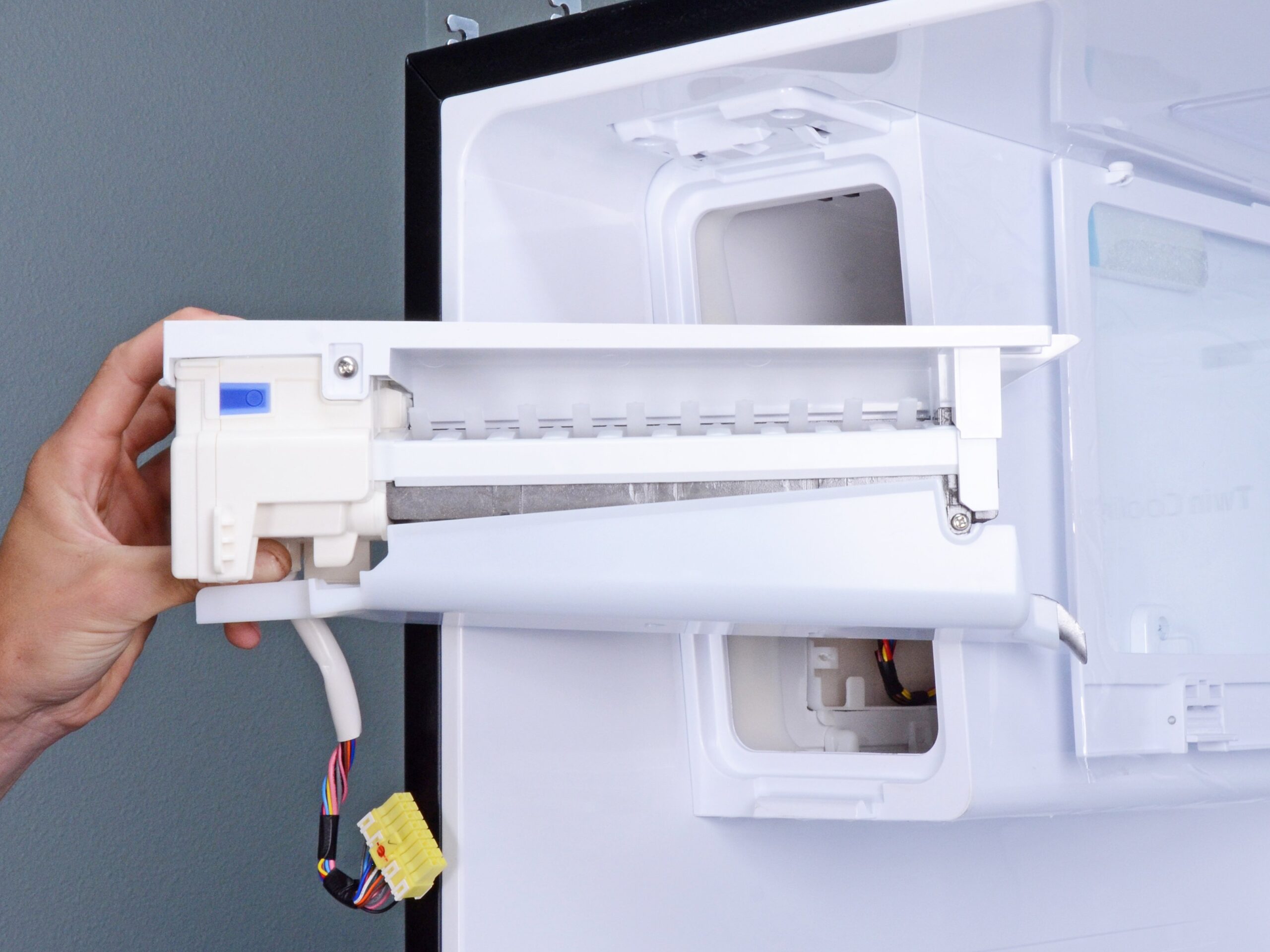
An ice maker is a useful feature in many modern refrigerators, providing ice for cold drinks, food preparation, and everyday household needs. When it stops producing ice or begins making unusual noises, it can become an inconvenience. Problems such as frozen water lines, faulty sensors, clogged filters, and damaged components can affect normal operation. Ice maker repair helps identify these issues and restore the appliance’s ability to produce and dispense ice. Understanding common faults and knowing when to contact a qualified technician can help keep your refrigerator working properly.
Common Ice Maker Problems
Ice makers contain several connected components that work together to produce and release ice. These may include a water inlet valve, fill tube, ice mold, thermostat, motor, control board, and sensors. If one component fails or becomes blocked, the ice maker may stop working as expected.
Some common problems include no ice production, small or hollow ice cubes, slow ice production, ice that does not drop into the storage bin, and water leaking around the freezer compartment. The cause may be a simple water supply issue or a fault within the ice maker assembly. Proper ice maker repair in Columbia begins with identifying the specific problem rather than replacing parts without a clear diagnosis.
Why Your Ice Maker Is Not Making Ice
A refrigerator ice maker needs a consistent water supply and suitable freezing temperatures to produce ice. If the water line is closed, the filter is clogged, or the freezer is too warm, ice production may slow down or stop completely. Some models also have an on-and-off switch or control setting that can accidentally disable the ice maker.
Start by checking whether the ice maker is switched on and whether the freezer temperature follows the manufacturer’s recommended setting. Make sure the refrigerator has a working water connection and that the water line is not visibly bent or damaged. If these checks do not resolve the problem, a technician can examine the inlet valve, fill tube, temperature sensor, and internal controls.
Water Supply and Frozen Line Issues
A restricted water supply is a common reason for ice maker problems. The water inlet valve controls the flow of water into the appliance, while the supply line carries water from the household connection. A damaged line, blocked filter, or faulty valve can prevent the ice mold from filling correctly.
In colder conditions, water inside the fill tube may freeze and stop the flow. This can result in an empty ice mold or irregular ice production. A technician can inspect the water supply system and determine whether the line needs attention or a component requires replacement. Avoid using sharp tools or excessive heat to remove ice because these methods can damage the appliance or create safety risks.
Small, Hollow, or Misshaped Ice Cubes
Ice cubes that appear smaller than usual, hollow, or irregular may indicate a water flow problem. A clogged filter can reduce the amount of water reaching the ice maker, while low household water pressure may also affect the filling process. Mineral deposits and restricted supply lines can contribute to inconsistent results.
The first step is to check the filter and replace it according to the manufacturer’s maintenance schedule. If the problem continues, the water inlet valve and fill system may need inspection. Effective ice maker repair addresses the reason for poor water flow so the appliance can return to producing properly formed ice.
Ice Maker Leaks and Overflow Problems
Water leaking from an ice maker can create puddles inside the freezer or underneath the refrigerator. This may happen when a water line becomes loose, the inlet valve fails to close properly, or the ice mold receives too much water. A blocked drain or damaged connection may also contribute to water accumulation.
Leaks should be investigated promptly because water can damage flooring, cabinets, and nearby electrical components. If you notice continuous leaking, turn off the water supply if it is safe and accessible, then arrange an inspection. A qualified technician can check the water connections, valve, fill tube, and ice maker assembly to locate the source.
Ice Dispenser and Motor Problems
Some refrigerators produce ice correctly but fail to dispense it through the door. This can happen when ice becomes stuck together in the storage bin, the dispenser chute becomes blocked, or the motor that moves the ice stops working. A faulty switch or control system may also prevent the dispenser from responding.
Check whether the storage bin is correctly positioned and whether ice has formed into a solid mass. Follow the manufacturer’s instructions before removing or cleaning any parts. If the dispenser remains unresponsive or makes grinding sounds, the motor and related components may require professional attention. A technician can determine whether the problem is mechanical, electrical, or related to the dispenser controls.
When to Call an Ice Maker Repair Technician
Basic checks can help resolve simple problems, but internal repairs may require specialized tools and technical knowledge. Contact a qualified technician if the ice maker repeatedly stops working, leaks water, produces unusual sounds, or fails to respond to its controls. Problems involving wiring, electronic boards, motors, and water valves should be handled carefully.
Before arranging a service visit, note the refrigerator’s brand and model number. Explain whether the ice maker produces no ice, makes small cubes, leaks, or fails to dispense ice. This information can help the technician prepare for the inspection. If your appliance is still covered by a manufacturer’s warranty, review its repair requirements before arranging independent work.
Maintaining Your Ice Maker
Regular maintenance can help reduce common ice maker problems. Replace water filters according to the manufacturer’s instructions, keep the freezer at the recommended temperature, and clean removable components as directed in the user manual. Check the water supply line occasionally for visible damage, bends, or loose connections.
It is also useful to empty and clean the ice storage bin when recommended by the manufacturer. Avoid overfilling the bin or forcing ice through a blocked dispenser. These simple habits can support effective ice maker repair and reduce the likelihood of recurring problems. Always disconnect power or follow the manufacturer’s safety instructions before cleaning components that require removal.
Choosing the Right Repair Service
Selecting a suitable repair provider can make a difference in how effectively an ice maker problem is resolved. Look for a technician with experience repairing refrigerator ice makers and handling different appliance brands. A qualified provider should inspect the appliance, explain the cause of the problem, and recommend work based on the actual condition of the components.
Ask for a written estimate before approving major repairs. It should explain the expected labor, replacement parts, and any additional charges. You can also ask whether compatible parts will be used and whether the completed work includes a service warranty. Clear information helps you understand the repair process and make a practical decision.
Restore Convenient Ice Production
An ice maker should provide a steady supply of ice without creating leaks, unusual noises, or repeated interruptions. When production slows down or the dispenser stops working, checking the basic water supply and temperature settings may help identify simple issues. More complicated faults require proper inspection to prevent unnecessary damage.
Professional ice maker repair can help diagnose water flow problems, replace faulty components, and restore normal ice production. By arranging attention when warning signs appear and following regular maintenance recommendations, homeowners can keep their refrigerator’s ice maker in better working condition. A properly maintained appliance makes everyday food storage and drink preparation more convenient.