
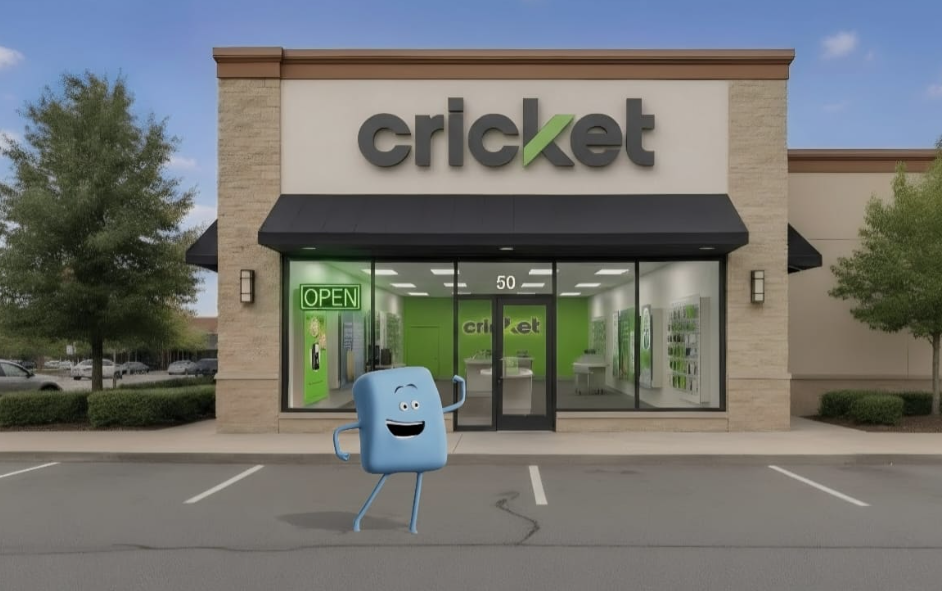
Opening a wireless retail business requires more than choosing a location and stocking smartphones. Entrepreneurs must assess local demand, startup costs, competition, and the support available from their retail partner. A dealership associated with an established wireless brand may offer a clearer starting point than building an independent business from scratch. However, its long-term performance still depends on sound planning and effective daily management.
For entrepreneurs considering a Cricket Wireless dealership in Pennsylvania, the opportunity deserves careful evaluation. Demand for mobile connectivity, device upgrades, prepaid plans, and customer assistance can support a retail business. The key is to determine whether the proposed location, available capital, and operating strategy align with the market.

1. Understand the Demand for Wireless Retail
Think about how much of daily life runs through a phone: communication, work, school, banking, and everyday purchases. Customers also need assistance with device selection, activation, plan changes, accessories, and troubleshooting. A physical store that handles that service alongside the sale has a role to play.
Pennsylvania isn’t one market. Philadelphia and Pittsburgh are large urban markets, and smaller cities and suburbs serve different customers. Your store’s prospects will depend on its immediate surroundings, local competition, foot traffic, and whether suitable retail space exists.
So research before you commit. Look at the nearby neighborhoods, shopping centers, public transportation, parking, and competing wireless retailers, because each shapes how easily customers reach you. A visible location grabs attention, but the rent and operating costs have to stay in proportion to realistic sales.
2. Evaluate the Authorized Retailer Business Model
An established wireless brand can provide recognition, products, and a defined retail framework. Cricket Wireless operates an authorized retailer program that allows approved businesses to sell its wireless plans and devices.
Cricket states that its authorized retail locations are not franchises and do not require franchise fees. However, applicants must meet the company’s requirements, and the program includes restrictions on selling competing carriers’ products and services. Prospective owners should review the current agreement and confirm all obligations before making financial commitments.
This model may suit entrepreneurs who prefer operating within an established brand structure rather than developing their own wireless service offering. The arrangement still requires independent business management, customer service, sales oversight, and financial planning.
3. Calculate the Investment and Operating Costs
Before you decide to open a Cricket Wireless Store, build a detailed financial plan. Initial expenses may include retail space, lease deposits, store fixtures, signage, equipment, staffing, utilities, insurance, and other launch requirements.
Working capital deserves just as much attention. A store can take time to build a steady customer base, and revenue may swing during the early months. You need enough in reserve to cover recurring expenses while sales develop.
Cricket lists a typical liquidity requirement of $70,000 to $100,000 per store. That figure shows the financial resources applicants may need to commit. It is not a complete estimate of total startup costs, because actual investment depends on the proposed location, the setup, and the applicable agreement. Confirm current requirements directly with Cricket before you proceed.
A realistic financial assessment should cover:
- Startup expenses, such as lease deposits, store preparation, fixtures, and the initial operating setup
- Recurring costs, including rent, payroll, utilities, insurance, and other monthly obligations
- Revenue assumptions for eligible wireless plans, devices, accessories, and add-on features
- Contingency funds for slower sales, unexpected expenses, or a delayed break-even point
The business case should hold up under conservative sales projections, not just optimistic ones.
4. Choose a Location Based on Local Conditions
Location drives visibility, customer access, and operating expenses. A store near residential communities or established shopping destinations may enjoy regular foot traffic. A busy commercial district, though, can bring higher rent and tougher competition along with the crowds.
Map out the existing wireless retailers, what they offer, and which customers they attract. Then ask whether your proposed site meets Cricket’s current distribution and retail planning requirements. A site that looks great commercially may not be available for approval.
For anyone evaluating a Cricket Wireless dealership in Pennsylvania, location planning needs both market research and confirmation of the authorized retailer program’s requirements. Checking early can save you from a costly commitment to the wrong site.
5. Consider the Role of Training and Business Support
Wireless retail brings a lot of operational work. Employees have to understand product features, explain plan options accurately, handle activations, and answer customer questions. Owners monitor inventory, manage schedules, maintain service standards, and review the business performance.
Training and ongoing guidance can help you build consistent processes. Cricket lists field assistance and on-site training among the resources available to authorized retailers. Guidance from an experienced wireless retail partner may also help with location evaluation, setup, launch preparation, and daily operations, depending on the services offered.
Before you pick a partner, ask what support is included, when it starts, and whether any services cost extra. Clear expectations matter most if this is your first retail business.
6. Assess the Risks Before Making a Decision
A dealership doesn’t guarantee a profit. Competition, customer retention, staffing, rent, local demand, and changes to program terms can all move your sales. Owners also follow brand requirements and live with limits on what they can offer.
Exclusivity deserves a hard look. Cricket’s published terms prohibit authorized retailers from selling competing carriers’ products or services, although approved third-party accessories may be permitted. So, ask yourself: Does that fit your broader business goals?
Write a business plan with expected monthly sales, operating expenses, staffing needs, and a break-even estimate. Then run scenarios where customer traffic or revenue falls short. Those numbers tell you far more about whether the investment makes sense than optimism does.
Conclusion
A Cricket dealership can be a worthwhile opportunity in Pennsylvania for entrepreneurs with enough capital, a suitable location, and a clear operating plan. Brand recognition, established retail processes, and available training may all help. Long-term performance, though, still depends on local demand, operating costs, customer service, and sound financial management.
Before you invest in a Cricket Wireless dealership in Pennsylvania, assess the local market, review the authorized retailer requirements, and prepare realistic sales and expense projections. Careful planning shows whether the opportunity fits your financial resources and your business goals.