
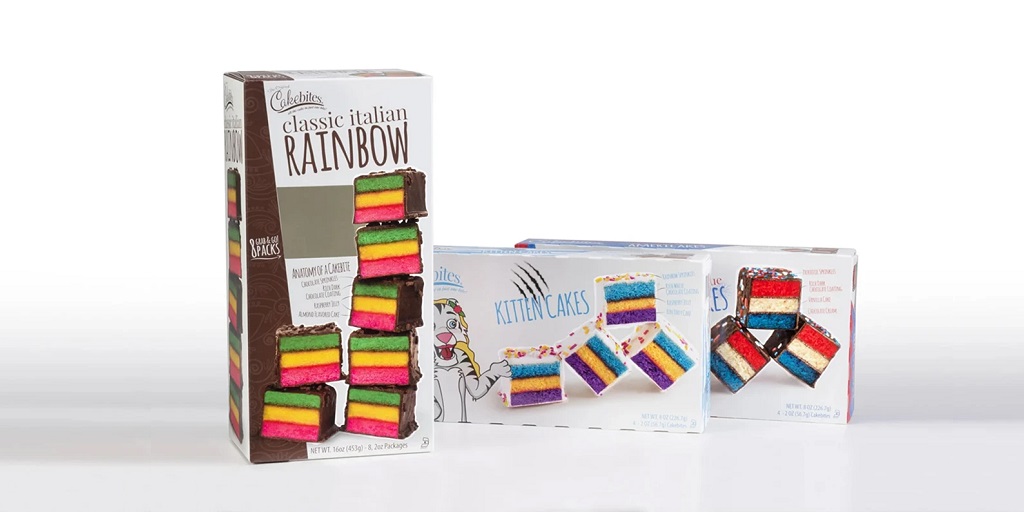
Small batch brands selling food, skincare, candles, or supplements usually make a few hundred units of each product at a time. Custom folding boxes often seem out of reach for them, because many suppliers quote minimums that don’t match their sales. So they settle for plain stock boxes with a sticker on the front. Short run printing now gives these brands printed boxes in smaller quantities, without overspending or overordering.
Print Custom Folding Boxes on a Digital Press
Digital printing makes small orders of printed boxes affordable. Traditional offset printing needs a separate printing plate for each ink color. Those plates cost the same no matter how many boxes the job needs, so they only pay off on large orders. A digital press prints straight from the design file, so brands can order custom folding boxes in short runs without paying for plates. Ask each supplier whether your order would print digitally and what order size they’d recommend.
Compare Short Run Quotes for Custom Folding Boxes
Quotes at a few different quantities show a brand where the price per box starts to drop. Setup work costs about the same for any order size, so custom folding boxes get cheaper per box as the order grows. Some custom packaging manufacturers offer more than one printing method, so a brand can move to larger runs as sales grow. Oliver, Inc., for example, runs a digital press alongside a smaller offset press that handles orders too big for digital. Pick the smallest order that still keeps the price per box within budget.
Use One Box Shape for Every Product
Using the same box shape across a product line keeps costs down when a brand adds new flavors or scents. Every box shape needs its own dieline, the flat template that shows where the box gets cut and folded, and many suppliers make a custom cutting tool for each one. With one shape, the brand pays for that setup once and only changes the printed design. Each product still gets custom printed boxes with its own colors, name, and details. Ask the supplier’s packaging design services team to size the box around your largest product.
Store Flat Boxes to Save Space
Folding carton packaging arrives flat, and the brand folds each box into shape at packing time. A full season’s supply fits on a shelf or in a closet instead of taking over a garage or spare room. Boxes that ship already assembled, like many rigid gift boxes and other retail packaging boxes, take up as much room in storage as they do on a store shelf. Order enough boxes for the next season of sales and set a reorder point before the stack runs low.
Keep Changing Details Off the Printed Box
Information that changes often shouldn’t be part of the printed design. Nothing on a box changes after it goes to press, so a new recipe or updated claim can turn leftover boxes into waste. Batch numbers and expiration dates belong in a blank space, where the brand adds them with a small printer or label at packing. Food and supplement brands need to watch this closely, because the facts panel on the box has to match what’s inside. Print only as many boxes as you’ll use before the next formula change.
Plan Your First Custom Folding Boxes Order
A first order goes better when the box fits the product before anyone starts on the artwork. Box size affects how well the box protects the product and how much it costs to ship, since carriers and marketplaces charge by package size. Ask for a plain sample box first and test it with the actual product and shipping carton. After that, review a printed proof on the real board before approving the full run. Taking these steps up front helps a brand avoid reprints and wasted boxes.
Custom folding boxes let small batch brands get printed packaging in quantities that match what they actually sell. Short run printing, one shared box shape, and flat storage keep costs down and give every product a finished look.
For more information About Pharmaceutical Packaging Design and Variable Data Printing please visit: Oliver Inc.