
Life insurance needs can change as income, family responsibilities and financial goals evolve. At 25, someone may be starting a career and building savings. At 35, they may have dependants, a home loan or children’s education to plan for. At 45, retirement planning and long-term family protection may become more important.
There is no single life insurance plan for every age. Different types of life insurance are designed for different needs, including financial protection, savings and retirement planning.
What are the main types of life insurance?
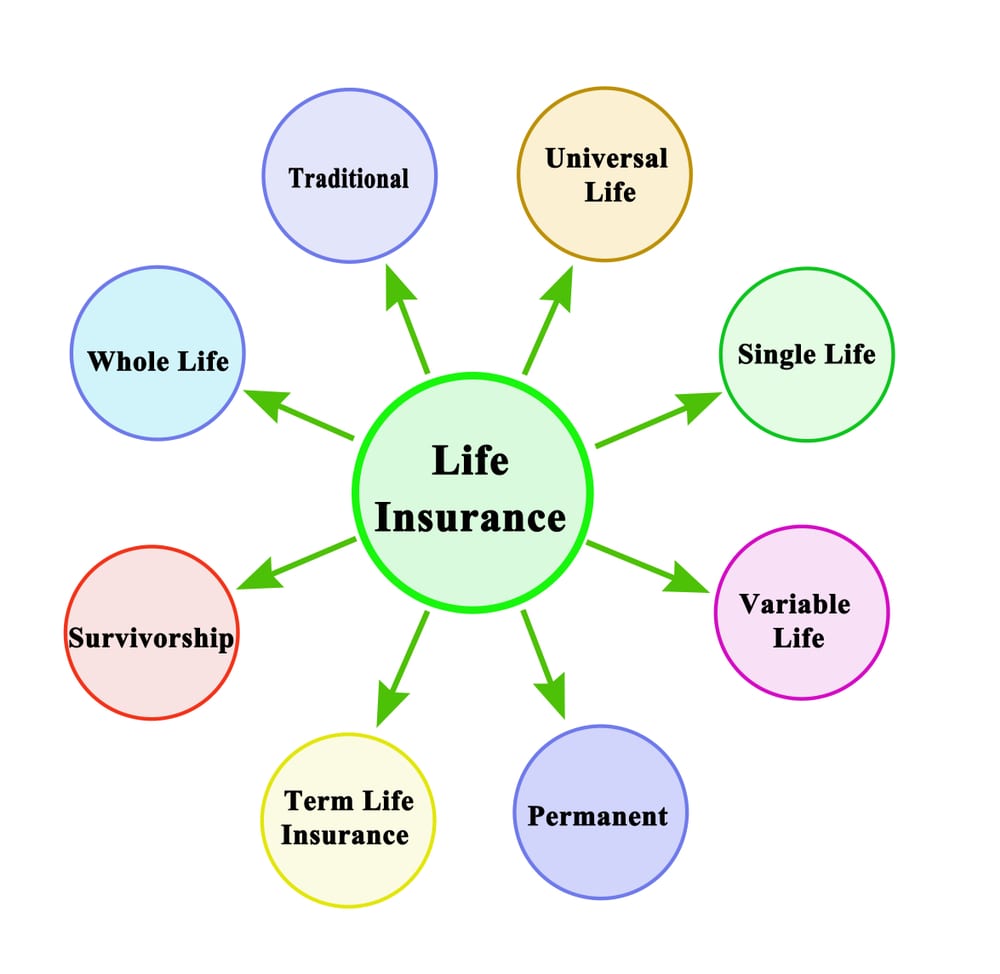
Life insurance includes several types of policies with different structures and purposes.
Common types include:
- Term insurance: Provides death cover for a fixed policy term, typically ranging from 10 to 40 years. A pure term plan generally does not provide a maturity payout if the policyholder survives the policy term.
- Whole life insurance: Provides life cover for a much longer period, potentially up to age 99, subject to the specific policy terms and conditions.
- Endowment plans: Combine life cover with a savings component and may provide a maturity amount according to the policy conditions.
- Money-back plans: Provide specified payments during the policy term, along with life cover, subject to the policy terms.
- ULIPs: Combine life cover with market-linked investments. The investment value can rise or fall with market performance.
- Annuity plans: Are designed to provide income at specified intervals according to the selected annuity option.
IRDAI’s life insurance framework recognises different product structures, including protection, savings, linked and annuity products.
What could matter when choosing life insurance at 25?
At 25, a person may be starting their career, building savings or taking on their first major financial commitments.
The need for life insurance can depend on whether anyone relies on the person’s income. Existing loans and financial responsibilities towards parents can also influence the need for cover.
For someone whose main requirement is financial protection, term insurance may be considered. It provides death cover for a selected period and is generally structured differently from savings-oriented life insurance.
A person may also have long-term savings goals. In such cases, they can learn about endowment plans or other savings-oriented life insurance products and compare their premium commitments, policy terms and maturity conditions.
Age alone should not determine the choice.
What changes by age 35?
By 35, financial responsibilities may have increased. A person may have a spouse, children, a home loan or other long-term commitments.
This can make life insurance an important part of financial planning. For example, a person supporting two dependants and repaying a home loan may need to consider whether their existing death cover would provide adequate financial support if the life insured dies during the policy term.
Term insurance may be considered when the main objective is income protection. Other types of life insurance may also be considered when savings and life cover are both part of the financial goal.
This is also a useful stage to review an existing policy because income, liabilities and dependants may have changed.
What should a 45-year-old consider?
At 45, financial planning may involve family protection as well as retirement.
Key priorities may include:
- Children’s higher education
- Outstanding loans
- Financial support for dependants
- Existing life insurance
- Retirement savings
- Long-term income planning
Term insurance may remain relevant where dependants or liabilities continue. A person may also consider whole life insurance or other life insurance products depending on the protection required.
Annuity products serve a different purpose. They are designed to provide income according to the selected annuity option and its terms.
The important point is to consider existing assets, liabilities, life insurance and retirement savings together.
How can your age affect life insurance planning?
| Age | Financial circumstances that may arise | Types worth understanding |
| 25 | Career building, early loans, family support | Term, endowment and other savings-oriented plans |
| 35 | Dependants, home loan, children’s goals | Term, endowment, money-back and other plans |
| 45 | Family security, liabilities, retirement planning | Term, whole life, savings and annuity products |
These are broad life stages, not fixed recommendations. Two people of the same age can have very different financial needs.
When can term insurance be considered?
Term insurance is primarily designed to provide death cover for a specified period.
For example, a 25-year-old with a long-term loan may consider a policy term that covers the period of financial responsibility. A 35-year-old supporting a family may instead focus on replacing income and covering outstanding liabilities.
A pure term insurance plan generally does not provide a maturity amount. If the policyholder survives the full term, the policy normally ends without a maturity payout unless the specific product provides one.
The policy document should be checked for the policy term, premium payment conditions, exclusions and maturity features.
When can savings-oriented life insurance be considered?
Some types of life insurance combine protection with savings.
An endowment plan may provide a specified maturity amount if the policyholder survives the policy term, subject to the policy conditions. Money-back plans may provide specified payments at different stages.
These products can be considered when structured savings and life cover are both relevant. However, the premium commitment, policy term, liquidity, charges and maturity conditions should be understood before choosing a plan.
Can ULIPs form part of life insurance planning?
A ULIP combines life cover with market-linked investment. Its investment value depends on the performance of the selected funds and can fluctuate.
A person at 25, 35 or 45 may consider a ULIP for a long-term financial goal if they understand the investment risk and policy structure.
The policyholder should review fund options, charges, premium payment period, policy term and applicable conditions before making a decision.
What should you check before choosing a policy?
Consider more than your age. Review:
- Income and financial responsibilities
- Number of dependants
- Outstanding loans
- Existing life cover
- Policy term
- Premium amount
- Premium payment period
- Death cover
- Maturity features
- Liquidity and surrender conditions
- Investment risk, where applicable
- Tax treatment
IRDAI provides information on approved life insurance products and their terms and conditions, so the policy document should be checked for product-specific details.
Can your life insurance needs change?
Yes. Life insurance planning can change as financial responsibilities change.
Marriage, children, a home loan, a change in income or new family responsibilities can affect the amount of cover required.
Someone who purchased a life insurance policy at 25 may have very different needs at 35. Similarly, a policy purchased at 35 may need to be reviewed at 45 as loans reduce, children become financially independent or retirement approaches.
What should you remember about life insurance at different ages?
The suitable type of life insurance depends on financial circumstances rather than age alone.
At 25, the focus may be on establishing financial protection and building long-term financial plans. At 35, dependants and liabilities may become more significant. At 45, family protection and retirement planning may need greater attention.
Understanding different types of life insurance can help you compare protection, savings and investment features according to your financial needs. Always review the policy terms, costs, risks and conditions before making a decision.