
Hoosing the right shampoo and conditioner can make a noticeable difference in the way your hair looks feels and behaves. With hundreds of products available it can be difficult to know which formula is suitable for your particular hair type. A shampoo that works well for oily hair may leave dry hair feeling even more dehydrated while a rich conditioner designed for thick hair may weigh down fine or thin strands.
The key is to understand your hair and scalp first, then select products that address your specific needs. Whether you have dry, oily, fine, thick, curly, wavy or damaged hair choosing the right combination can help create a more effective and comfortable hair cleansing routine.
This guide explains how to choose shampoo and conditioner based on different hair types what ingredients to look for how often to wash your hair and common mistakes to avoid.
Why Shampoo and Conditioner Work Together

Shampoo and conditioner have different but complementary jobs.
Shampoo is primarily designed to cleanse the scalp and hair by removing excess oil, sweat, dirt, styling-product buildup and other impurities. Conditioner on the other hand helps improve the feel and manageability of the hair after cleansing.
Using only shampoo may leave some hair types feeling dry or rough particularly if the hair is already damaged or naturally dry. Conditioner can help make the strands feel smoother and easier to detangle.
The best shampoo and conditioner combination should therefore match both your scalp condition and the needs of your hair lengths and ends.
How to Identify Your Hair Type
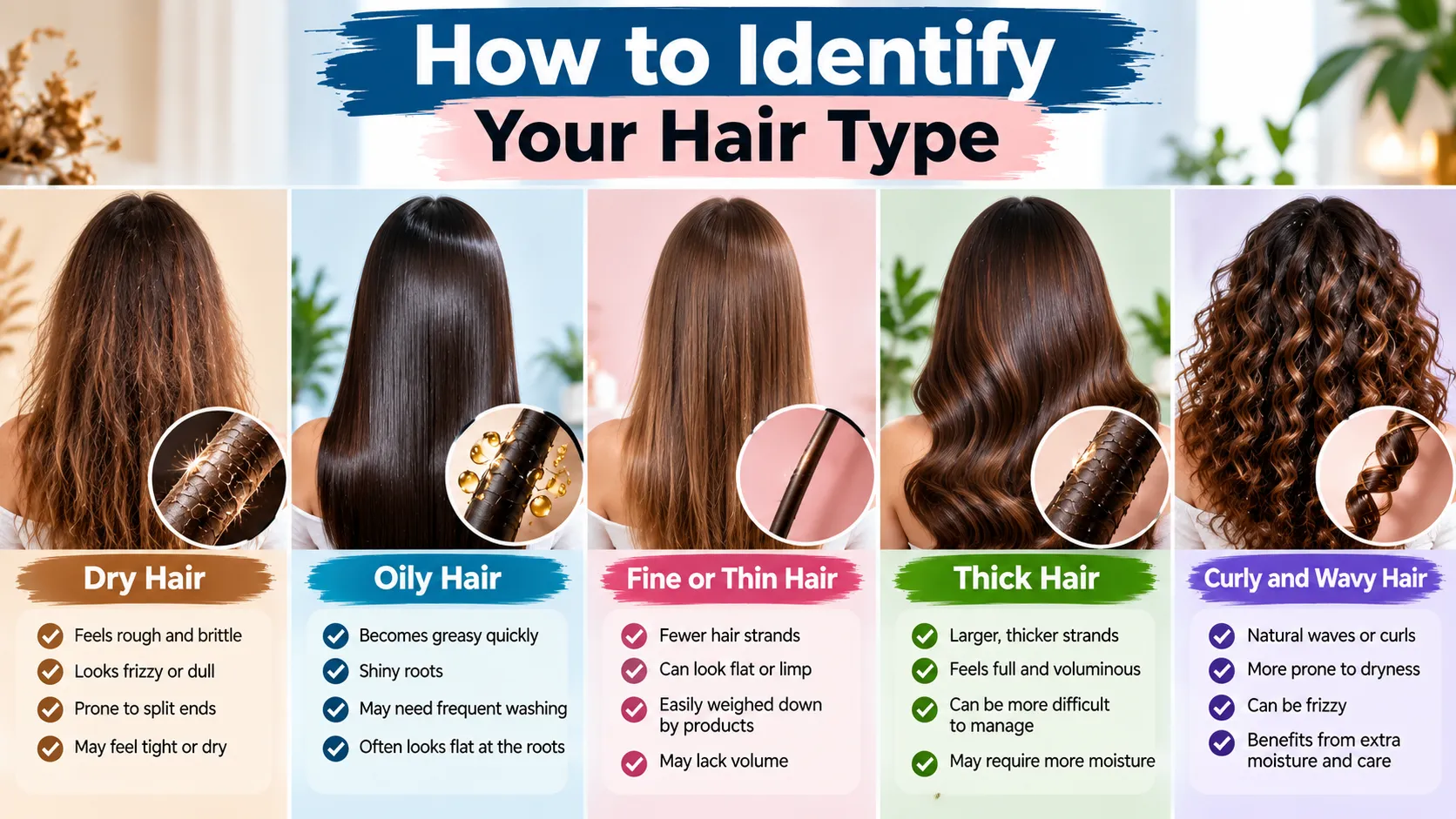
Before buying the best shampoo and conditioner for your needs, consider your scalp, hair texture, thickness and overall condition.
Dry Hair
Dry hair may feel rough, brittle or tight and may develop visible frizz or split ends. It can be caused by naturally low oil production, frequent washing, heat styling chemical treatments or environmental factors.
If you have dry hair look for moisturizing and nourishing formulas. A shampoo for dry hair should cleanse without leaving the hair feeling excessively stripped while a conditioner for dry hair can provide additional softness and manageability.
Ingredients such as glycerin, aloe vera, plant oils and conditioning agents may be useful depending on the product formulation.
Oily Hair
Oily hair is often associated with excess sebum production on the scalp. You may notice greasy roots only a day or even a few hours after washing.
A shampoo for oily hair should provide effective cleansing without encouraging excessive scrubbing or repeated washing. Lightweight conditioners can be applied mainly to the mid-lengths and ends rather than directly to the scalp.
If your roots become oily quickly but your ends remain dry you may need different approaches for your scalp and hair lengths.
Fine or Thin Hair
Fine hair has a smaller individual strand diameter and can easily become weighed down by heavy products.
Look for lightweight shampoo and conditioner formulas designed to improve softness and manageability without leaving a heavy coating. Applying conditioner primarily to the ends can also help maintain volume around the roots.
Thick Hair
Thick hair may require more moisture and conditioning particularly if it is coarse or prone to dryness.
A nourishing shampoo followed by a richer conditioner can help improve manageability. However avoid applying excessive amounts of heavy product to the scalp unless the product is specifically intended for that purpose.
Curly and Wavy Hair
Curly and wavy hair can be more prone to dryness and frizz because natural scalp oils may not distribute as easily along the hair’s length.
Look for products that support moisture and manageability. Depending on your hair’s needs, you may also prefer a sulfate free shampoo or a moisturizing cleansing formula.
Conditioner is particularly important for many curly and wavy hair routines because it can help with detangling and reduce the rough feeling that may occur after cleansing.
How to Choose the Right Shampoo
When choosing shampoo start with your scalp not just your hair texture.
If your scalp becomes oily quickly, you may prefer a formula designed for oil control or thorough cleansing. If your scalp and hair tend to feel dry a gentler moisturizing formula may be more suitable.
People with colored, chemically treated, curly or damaged hair may also want to look for products formulated specifically for those concerns.
Look at the Product’s Purpose
Instead of choosing a product simply because it says “premium” or “professional” check what it is actually designed to do.
For example:
l Dry hair → moisturizing or nourishing shampoo
l Oily scalp → cleansing or oil-balancing shampoo
l Damaged hair → strengthening or conditioning-focused formula
l Curly hair → moisturizing shampoo
l Fine hair → lightweight formula
l Sensitive scalp → gentle cleansing formula
If you’re comparing products online reading the ingredient list and product description can help you understand whether the formula matches your needs.
For shoppers looking for a range of options, you can explore shampoo and conditioner products and compare formulas according to your hair-care requirements.
How to Choose the Right Conditioner
Conditioner should complement your shampoo and address the condition of your hair lengths and ends.
For dry or damaged hair, a richer conditioner may provide a more comfortable feel. Fine hair may benefit from a lightweight conditioner that does not leave the strands feeling heavy.
When applying conditioner, concentrate on the mid-lengths and ends, especially if your scalp becomes oily easily. Allow the product to sit for the recommended amount of time on the packaging before rinsing.
A conditioner for damaged hair may contain ingredients designed to improve the feel and appearance of stressed hair while a conditioner for dry hair generally focuses on moisture and softness.
Remember that conditioner cannot permanently repair structural damage. It can however improve the hair’s feel appearance and manageability.
Ingredients to Look For
Different ingredients can provide different benefits so reading the label is often more useful than focusing only on marketing claims.
Humectants
Ingredients such as glycerin can help attract and retain moisture depending on the surrounding formulation and conditions.
Conditioning Ingredients
Conditioning agents help improve slip softness and detangling. They are particularly useful after shampooing because cleansing can temporarily make hair feel rougher.
Plant Oils
Ingredients such as coconut, argan, jojoba or other plant oils may be included in conditioning formulas. Their suitability depends on your hair type and the overall formulation.
Aloe Vera
Aloe vera is commonly used in hair-care products and may be included in formulas designed to provide a lightweight conditioning or moisturizing feel.
Protein Ingredients
Some products designed for damaged or chemically treated hair contain proteins or protein-derived ingredients. These can contribute to the feel and structure of the hair although not every hair type needs frequent protein-focused products.
Ingredients Some People May Prefer to Avoid
There is no single list of ingredients that everyone must avoid. Hair and scalp needs vary considerably.
However some people may prefer to avoid certain ingredients because of personal preferences, allergies, sensitivities or how their hair responds to them.
For example some consumers specifically look for sulfate-free formulas because they prefer a gentler-feeling cleansing routine or find certain cleansing agents drying.
A sulfate free shampoo can be worth considering if your hair is dry, curly, color-treated or if you simply prefer sulfate-free products. However, sulfate-containing shampoos are not automatically unsuitable for everyone.
Similarly fragrance can be an important consideration for people with fragrance sensitivity. Always check the full ingredient list if you know that your scalp reacts to particular ingredients.
How Often Should You Shampoo?
There is no universal shampoo schedule that works for everyone.
How frequently you wash depends on factors such as:
l Scalp oil production
l Hair texture
l Hair thickness
l Exercise and sweating
l Styling-product use
l Environmental conditions
l Personal preference
Someone with an oily scalp may need to shampoo more frequently than someone with dry curly hair.
Rather than following a fixed rule pay attention to how your scalp and hair respond. If your scalp feels greasy or has significant product buildup, cleansing may be appropriate. If your hair consistently feels dry and brittle after washing you may need to adjust the frequency or choose a gentler product.
Common Shampoo and Conditioner Mistakes
Even good products may not deliver the expected results if they are used incorrectly.
1. Using Too Much Shampoo
More shampoo does not necessarily mean cleaner hair. Using an excessive amount can make rinsing more difficult and may leave the hair feeling dry.
2. Applying Conditioner Directly to Oily Roots
If your scalp already produces a lot of oil applying a rich conditioner directly to the roots can make the hair appear greasy more quickly.
3. Washing With Very Hot Water
Very hot water can make hair and scalp feel dry. Lukewarm water is generally a more comfortable option for many people.
4. Scrubbing the Hair Aggressively
Focus shampoo primarily on the scalp and cleanse gently rather than aggressively rubbing the lengths of the hair.
5. Choosing Products Based Only on Hair Texture
Your hair may be curly but oily at the roots, or straight but extremely dry at the ends. Consider both scalp and hair condition when choosing products.
6. Changing Products Too Frequently
Trying a new product occasionally is fine but constantly switching between products can make it difficult to understand what actually works for your hair.
How to Build a Simple Washing Routine
A simple routine does not need to involve a large number of products.
Step 1: Wet Your Hair
Thoroughly wet your hair with lukewarm water before applying shampoo.
Step 2: Apply Shampoo
Use an appropriate amount of shampoo and gently massage it into your scalp. Allow the cleansing action to remove oil and buildup without aggressively scrubbing the hair lengths.
Step 3: Rinse Thoroughly
Make sure the shampoo is completely rinsed out.
Step 4: Apply Conditioner
Apply conditioner mainly to the mid-lengths and ends. If your hair is very dry you may need a more generous application.
Step 5: Leave It Briefly
Follow the instructions on the product packaging for how long the conditioner should remain on the hair.
Step 6: Rinse
Rinse thoroughly and gently squeeze excess water from your hair.
Step 7: Dry Carefully
Avoid aggressive towel rubbing. Gently squeeze or pat the hair and allow it to dry naturally when practical.
FAQs
What is the best shampoo and conditioner for my hair?
The best combination depends on your scalp and hair condition. Dry hair generally benefits from moisturizing products while oily hair may need a more effective cleansing formula. Curly and damaged hair often benefit from additional conditioning.
Should I use shampoo and conditioner every day?
Not necessarily. Washing frequency depends on your scalp, hair type, lifestyle and product choice. Some people need frequent cleansing while others can comfortably go longer between washes.
Is sulfate-free shampoo better?
Not automatically. Sulfate-free products may be preferred by people with dry, curly, color-treated or sensitive hair, but suitability depends on the individual and the complete formula.
Can shampoo cause dry hair?
Some shampoos may leave certain hair types feeling dry, particularly when they are highly cleansing or used too frequently. If your hair feels consistently dry after washing consider reducing washing frequency or trying a gentler formula.
Should conditioner be applied to the scalp?
For many people conditioner works best on the mid-lengths and ends. People with very dry scalps may use specific scalp-conditioning products but rich standard conditioners can make oily roots feel heavy.
How do I choose shampoo for damaged hair?
Look for formulas marketed for damaged, dry, chemically treated or over-processed hair and pair them with a suitable conditioning product. Also reduce excessive heat and chemical treatments where possible.
Final Thoughts
Choosing the right shampoo and conditioner starts with understanding your own hair rather than following a universal routine. Consider whether your scalp is oily or dry, whether your hair is fine or thick and whether you are dealing with curls, waves, frizz, dryness or damage.
The right combination should cleanse your scalp effectively while leaving your hair comfortable, manageable and suited to your styling routine. You may also need to adjust your products over time as your hair changes because of weather, coloring, styling, lifestyle or other factors.
Most importantly focus on consistency and choose products based on your actual hair needs rather than simply choosing the most popular product. A simple well-matched routine can often be more useful than a complicated collection of hair-care products.
Learn more about shampoo and conditioner: https://www.overshopping.pk/best-imported-shampoo-conditioner/