
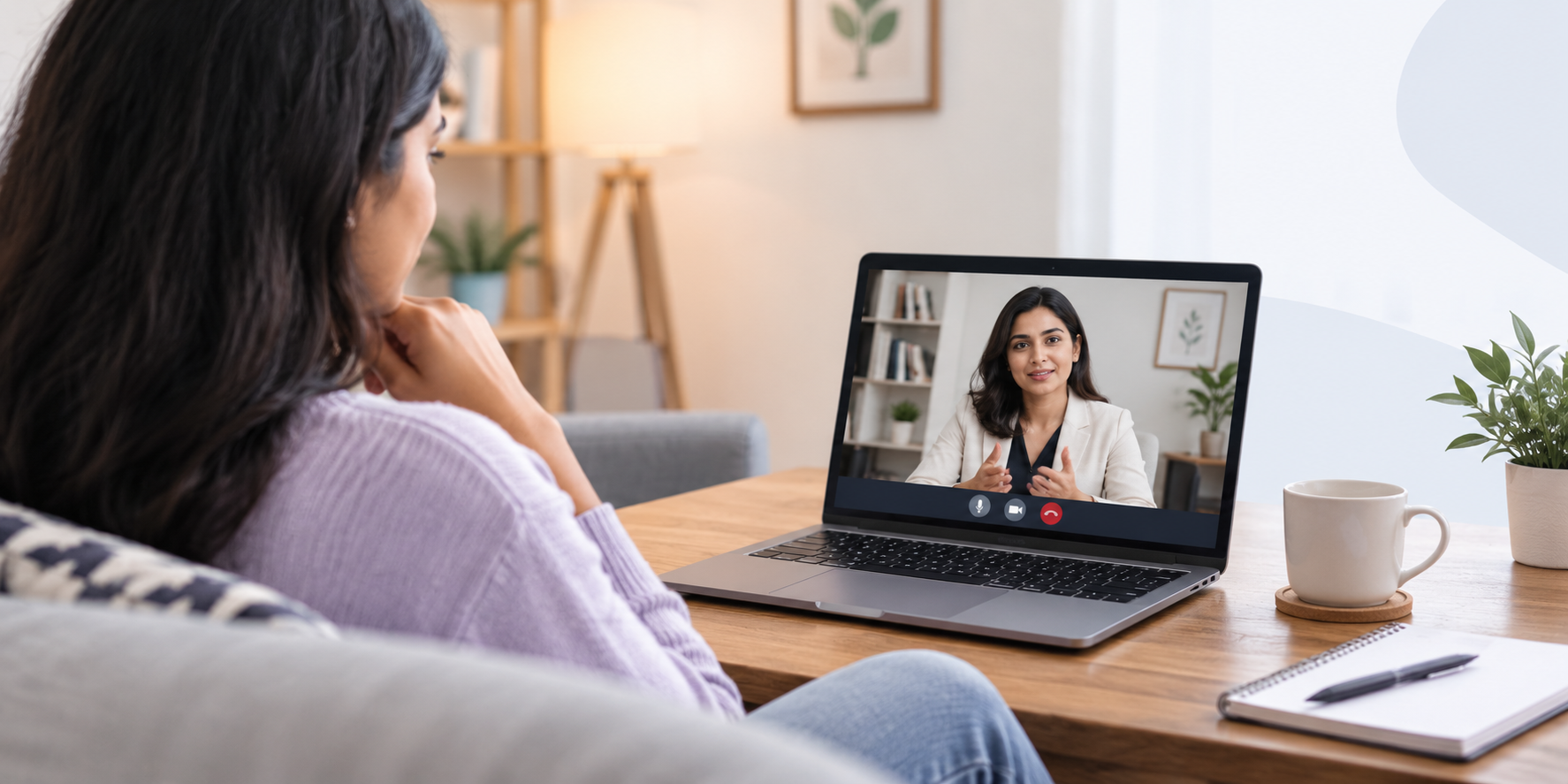
Sexual health is an important part of overall well-being, but concerns related to intimacy, sexual functioning, desire, performance, or relationships can sometimes be difficult to discuss. Many people delay seeking professional support because they feel embarrassed, worried about being judged, or simply do not know where to start.
Online sex therapy has made it easier to access professional support from the privacy of your own home. However, choosing the right professional is important, particularly when discussing personal and sensitive concerns. Knowing what qualifications, experience, approach, and privacy standards to look for can help you make a more informed decision. In this article, we’ll explore what a sex therapist does and what to consider when choosing a qualified sex therapist in India for your sexual health needs.
What Does a Sex Therapist Do?
A sex therapist is a trained mental health professional who works with individuals or couples experiencing concerns related to sexuality, intimacy, sexual relationships, and emotional well-being. Therapy may explore psychological, emotional, behavioural, and relationship factors that could be contributing to a person’s concerns.
Depending on the situation, therapy may address concerns such as:
- Sexual anxiety or performance-related worries
- Low or mismatched sexual desire
- Difficulties with intimacy and communication
- Relationship concerns affecting sexual well-being
- Body image or self-esteem concerns
- Sexual shame, guilt, or discomfort
- Concerns related to sexual experiences or relationships
- Emotional difficulties associated with sexual concerns
A sex therapist does not replace a medical professional when a concern requires physical examination, medical testing, or medication. In some situations, working alongside a psychiatrist, physician, gynaecologist, urologist, or other healthcare professional may be appropriate.
Why Consider Online Sex Therapy?
Online therapy provides an alternative for people who may not feel comfortable visiting a clinic in person. Sessions can take place through a secure online platform, allowing individuals or couples to speak with a professional from a familiar and private environment.
For sensitive topics, this privacy may make it easier to begin a conversation. Online sessions can also be useful for people who have limited access to specialised professionals in their local area or have busy schedules.
However, online therapy should still follow professional standards for confidentiality, boundaries, and informed consent.
How to Choose a Sex Therapist in India
Here are important things to check:
1. Check Their Professional Qualifications
Before booking a session, look at the therapist’s educational background, professional training, and credentials. A relevant qualification in psychology, counselling, psychotherapy, or another recognised mental health discipline can provide important context about their professional background.
Sexual health is a specialised area, so it is also useful to check whether the professional has additional training or experience related to sex therapy, sexuality, couples counselling, or sexual health concerns.
Do not rely only on the title used on a profile. Look for clear information about the person’s qualifications and professional experience.
2. Experience With Sexual Health Specifically
General mental health training doesn’t automatically translate into competence in sexual wellness. Sexual dysfunctions — whether related to desire, arousal, performance anxiety, painful intercourse, or relationship intimacy – require a therapist who has specifically worked with these issues.
When researching a sex therapist in India, ask directly:
- How many clients have they supported with concerns similar to yours?
- Do they work with individuals, couples, or both?
- Are they comfortable discussing the full range of sexual health topics, including LGBTQ+ concerns, without judgment?
A therapist who hesitates, deflects, or seems uncomfortable during this conversation is not the right fit.
3. Look for a Non-Judgmental Approach
Feeling comfortable with your therapist matters, especially when discussing intimate subjects. A good therapeutic environment should allow you to talk openly without feeling shamed or judged.
You may want to look for a professional who communicates respectfully, listens carefully, and gives you space to discuss your concerns at your own pace.
Therapy should not make you feel pressured to disclose more than you are ready to discuss.
4. Ask About Confidentiality and Privacy
Privacy is particularly important when discussing sexual and relationship concerns online.
Before starting therapy, understand how online sessions are conducted and how your personal information is handled. You can ask about:
- Confidentiality policies
- The platform used for online sessions
- How your information and records are protected
- What happens if confidentiality has legal or professional limitations
- Whether sessions take place in a private setting
A reputable professional should be comfortable explaining their approach to confidentiality.
5. Understand the Therapist’s Approach
Different therapists may use different therapeutic approaches depending on their training and the nature of the concern.
A professional may focus on thoughts and behaviours, emotional patterns, relationship dynamics, communication, or other factors relevant to the person’s situation.
Rather than choosing someone simply because they advertise a particular method, consider whether their approach feels appropriate for your needs and whether they explain the therapy process clearly.
6. Be Cautious of Unrealistic Promises
Sexual concerns can have many contributing factors, and progress can differ from person to person. Be cautious of professionals or platforms promising guaranteed results, instant solutions, or a specific outcome after only one session.
Professional therapy generally involves understanding the underlying concerns and working through them over time. A therapist should explain what treatment may involve without making unrealistic guarantees.
7. Read Reviews Before Making a Decision
Reviews can give you an idea of what other people experienced with a therapist or mental health platform. While reviews should not be the only factor in your decision, they may help you understand how the professional communicates, conducts sessions, and makes clients feel during the therapy process.
When reading reviews for a sex therapist in India, look for genuine feedback that mentions qualities such as being comfortable to talk to, feeling heard, respectful communication, and a non-judgmental approach.
It is also important to remember that everyone’s experience with therapy is different. A therapist who worked well for one person may not necessarily be the right fit for another. Use reviews as one part of your overall research rather than relying on ratings alone.
Questions to Ask Before Your First Session
If you are unsure about a professional, asking a few questions before booking can help you make a more informed choice.
You could ask:
- What are your qualifications and relevant training?
- What types of sexual health concerns do you work with?
- Do you provide individual or couples sessions?
- How are online sessions conducted?
- What measures are in place to maintain confidentiality?
- What should I expect during the first session?
- How do you usually approach concerns similar to mine?
You do not need to share every personal detail before deciding whether a therapist is right for you.
When Should You Consider Sex Therapy?
There is no single type of problem that determines whether someone should seek sex therapy. If a sexual or intimacy-related concern is causing ongoing distress, affecting a relationship, creating anxiety, or making it difficult to enjoy or understand your sexual well-being, speaking with a qualified professional may be worth considering.
It is also okay to seek therapy simply because you want to understand yourself better or improve communication and intimacy within a relationship.
If there may be an underlying physical or medical cause, a healthcare professional should also be consulted.
Final Thoughts
Choosing an online therapist for a sensitive concern requires more than simply searching for the closest or most convenient option. Qualifications, relevant experience, confidentiality, communication style, and therapeutic approach are all factors worth considering.
A sex therapist in India can provide a confidential space to explore sexual, emotional, and relationship concerns with professional guidance. Taking time to understand a therapist’s background and approach before starting sessions can help you feel more comfortable with the process.
Zenup Health offers professional mental health support, including therapy for sexual wellness and related concerns, with a focus on personalised, confidential, and non-judgmental care. If you are considering online support, exploring the available professional options can be a useful first step toward addressing concerns that may have been difficult to discuss alone.
Frequently Asked Questions
1. What should I look for in a sex therapist in India?
Look for relevant professional qualifications, specialised training or experience, a respectful and non-judgmental approach, clear confidentiality practices, and experience with concerns similar to yours.
2. Is online sex therapy confidential?
Online therapy is generally designed to provide a private setting for sessions, but you should ask the therapist or platform about its confidentiality policies, technology, and handling of personal information before beginning.
3. Can couples attend online sex therapy together?
Yes. Online sessions may be available for couples who want to work on intimacy, communication, sexual concerns, or relationship difficulties together. The appropriate format depends on the couple’s circumstances and the therapist’s practice.
4. Can sex therapy address relationship concerns?
Sex therapy may address relationship factors that are connected to intimacy and sexual well-being, including communication difficulties, differences in desire, emotional closeness, and sexual anxiety.
5. How do I know if a therapist is suitable for me?
Consider their qualifications, experience, approach, communication style, and whether you feel comfortable discussing your concerns with them. The first session can also help you understand whether their approach meets your needs.