
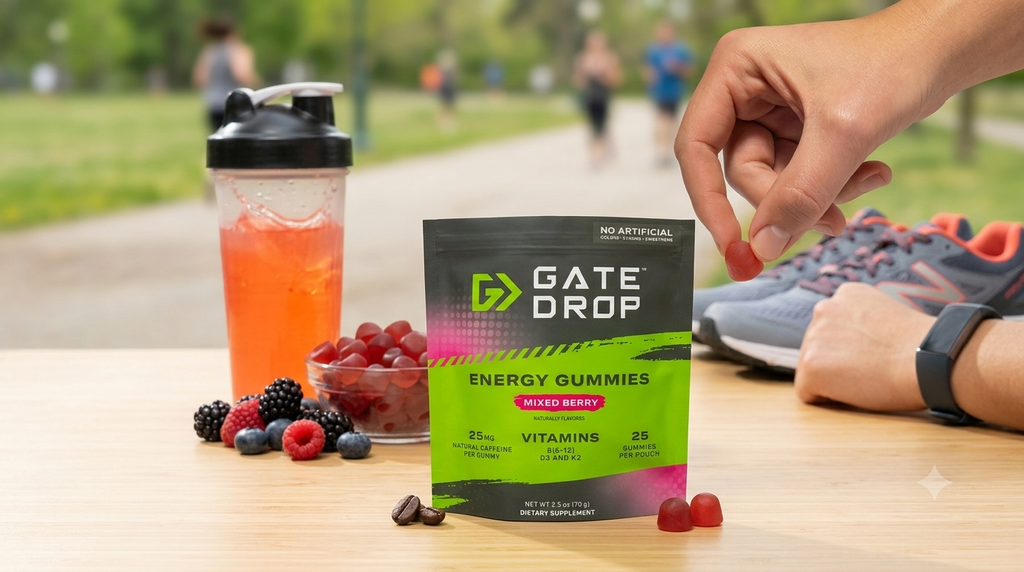
Energy products come in many forms, but gummies are a convenient option before exercise or during a busy day. Understanding them starts with separating ingredients from format. Gummies for energy may contain caffeine, carbohydrates, vitamins, amino acids, or other compounds, and each ingredient can serve a different purpose. The word “energy” does not automatically mean improved physical performance. Effects depend on the ingredients, amounts, timing, and individual tolerance.
What Gives Energy Gummies Their Effect?
Start by checking the Supplement Facts panel. Caffeine is one of the most common ingredients associated with alertness and reduced feelings of fatigue. According to the National Institutes of Health, caffeine may improve endurance and some forms of exercise performance, although responses vary between individuals. Other gummies may provide carbohydrates for longer activities. Vitamins and minerals support normal body functions when dietary intake is inadequate, but extra vitamins do not necessarily create an immediate energy boost. Therefore, gummies for energy should be evaluated according to their actual ingredients and serving amounts.
Caffeine and Timing Matter
For people using a caffeinated product around exercise, both dose and timing deserve attention. Research summarized by the NIH indicates that caffeine can affect perceived exertion, alertness, and performance, particularly during endurance activities. Taking more does not necessarily produce better results and can increase unwanted effects such as restlessness, nausea, rapid heartbeat, or sleep disruption. The NIH notes that up to 400 milligrams of caffeine per day is generally considered safe for most healthy adults, although sensitivity differs. When comparing products, users should add caffeine from coffee, tea, energy drinks, medications, and other supplements to understand total daily intake.
Match the Product to the Activity
Not every energy gummy is designed for the same situation. A caffeinated gummy may be intended primarily for alertness, while a carbohydrate-based chew may be more relevant during prolonged endurance exercise. Someone completing a short strength workout may have different nutritional needs from someone cycling or running for several hours. Hydration also matters because an energy gummy does not replace fluids. Looking at carbohydrate content, caffeine quantity, serving size, and other active ingredients can clarify what a product is designed to provide. For gummies for energy, the activity, dietary needs, and personal tolerance all matter.
Safety Checks Before Adding Them
Reading the full label is especially important when combining supplements. Overlapping stimulants can occur when an energy gummy is combined with coffee or another pre-workout formula. Some ingredients can also interact with medications or may not be appropriate for people with certain health conditions. The NIH recommends discussing exercise supplements with a healthcare professional when medications, medical conditions, or pregnancy are involved. Caffeine-containing products also warrant extra caution for children and adolescents. Following serving instructions can reduce unwanted effects.
A Practical Way to Compare Options
A useful comparison can ask five questions: What is the main active ingredient? How much is provided per serving? How many servings are intended in a day? Does the product contain caffeine or other stimulants? Does it fit the nutritional demands of the planned activity? This approach helps distinguish everyday alertness products from exercise-focused formulas. It also prevents the number of gummies in a package from becoming the main measure of strength. For people considering gummies for energy, a transparent label and defined serving size are more useful starting points than broad claims.
Conclusion
Gummies can be a convenient delivery format, but their effects depend on formulation rather than shape. Caffeine may support alertness and certain types of exercise performance, while carbohydrates can provide fuel during longer activities. Neither should be treated as a substitute for adequate food, hydration, recovery, or sleep. When considering pre-workout gummies, users should examine the ingredient panel, total stimulant intake, serving instructions, and the demands of their specific workout. A careful label-based approach makes it easier to understand what a product can reasonably contribute and when another nutrition option may be more appropriate.