
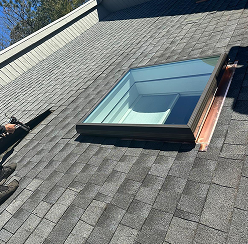
Commercial buildings can look very different from one another, but many share the same issue: some interior areas simply do not get enough daylight. Offices, retail spaces, hallways, common areas, and other workspaces may rely heavily on artificial lighting even during the middle of the day. A skylight modifies the formula by introducing light from above where a typical window may not be possible.
Long Island businesses that are looking for commercial skylight installation on Long Island, have more to consider than simply choosing a skylight and cutting a hole in the roof. Roof design, placement, drainage, insulation, flashing, and sealing all need to be considered before installation begins. When those details are handled properly, a commercial skylight can become a useful part of the building rather than simply an architectural feature.
More Natural Light Inside Commercial Spaces
The most obvious change after installing a skylight is the amount of daylight entering the building. This can be especially noticeable in areas with limited wall space for windows or that sit away from exterior walls.
A brighter interior can also change how a commercial space is perceived. An office may feel less enclosed, while a retail or customer-facing area can appear more open during daylight hours. In corridors, stairwells, or interior sections of a building, overhead glazing can bring light into areas that would otherwise rely on electric fixtures.
The effect depends on the size and position of the skylight, as well as the structure and layout of the building. That is why placement deserves attention before any installation work begins.
Reduced Dependence on Artificial Lighting
Natural daylight can also affect how often interior lights are needed during the day. In some commercial spaces, a properly positioned skylight may provide enough illumination for part of the working day, particularly in areas that already receive some daylight from other sources.
The amount of energy saved will vary according to the building, its lighting system, occupancy, skylight design, and other factors. Still, reducing the need for artificial lighting can be a practical consideration when planning a commercial improvement.
The skylight itself also needs to be properly insulated and sealed. Poor installation can introduce drafts or moisture, undermining some of the reasons for adding the skylight in the first place.
A Different Approach to Ventilation
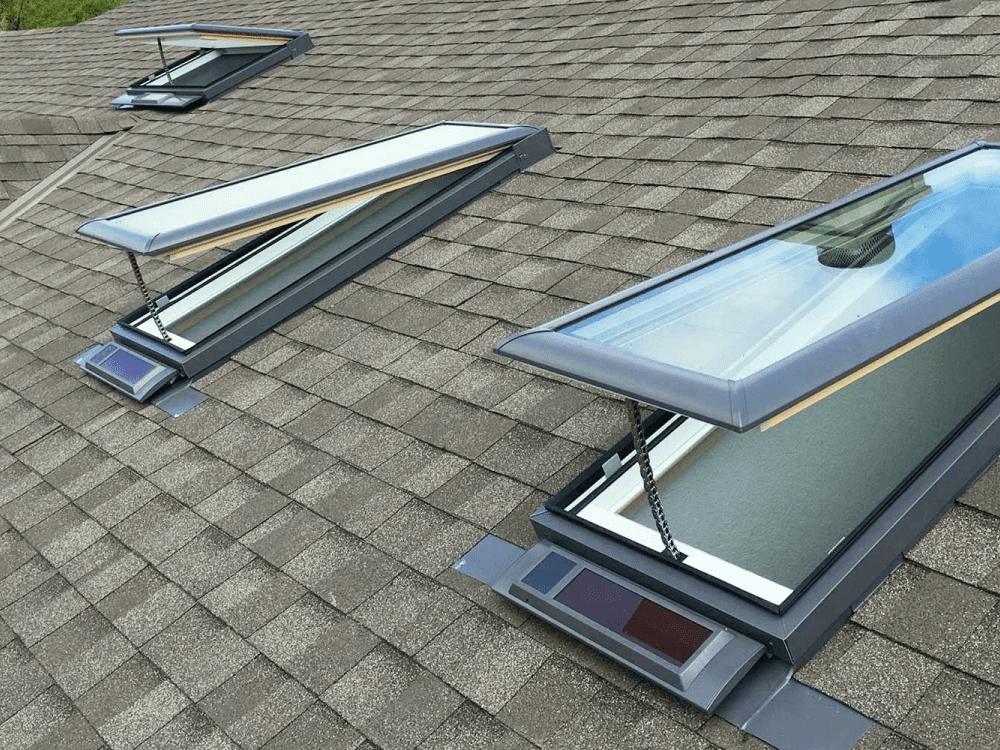
Not every skylight is fixed. Venting models can be opened to allow air to move through the building, which may be useful in commercial areas where fresh-air circulation is a concern.
For example, a space that becomes warm or stuffy during the day may benefit from an opening skylight. Warm air naturally rises, so an opening positioned higher in the building can provide another route for that air to escape.
The choice between a fixed and venting skylight depends largely on how the space is used. If daylight is the only priority, a fixed unit may be sufficient. Where airflow is also important, a venting model may be worth considering.
Better Use of Interior Space
Windows are not always the easiest solution for commercial buildings. Interior walls may be needed for shelving, equipment, displays, furniture, partitions, or other functions. Adding another wall opening may simply not make sense.
A skylight approaches the problem from above. This can be useful in areas where wall space is already occupied or where the building’s layout makes conventional windows impractical. A carefully positioned skylight can introduce daylight without taking up usable wall area.
The result does not have to be dramatic to be noticeable. Even a relatively contained change in daylight can make a darker section of a building feel different during business hours.
Skylights Can Suit Different Commercial Properties
There is no single commercial building layout that calls for the same skylight design. A large open office may have different requirements from a small retail property, an industrial workspace, or a commercial building with several interior rooms.
Fixed skylights are generally intended to provide daylight without ventilation. Venting skylights introduce airflow as well. Flat roof skylights are designed specifically for flat or low-slope roof structures, while sun tunnels can be considered for smaller or enclosed areas where a traditional skylight may not be practical.
The important point is that the skylight should suit the building rather than the other way around. Roof structure, interior layout, the purpose of the room, and the amount of daylight needed all have a role in the decision.
What Should a Business Consider Before Installation?
Before adding a skylight, it is worth looking at the project from both the roof and interior sides. Consider where additional daylight would actually be useful. A skylight installed in an already bright area may have less impact than one placed over a darker interior section. Also examine the roof to confirm its structure and drainage can support the proposed installation.
The type of skylight also deserves attention. A fixed unit may be appropriate when daylight is the main objective, while a venting model may make more sense when airflow matters. For flat or low-slope roofs, flat roof skylight installation on Long Island should account for the existing roof structure, drainage, and waterproofing requirements.
Finally, don’t overlook installation quality. Flashing, insulation, sealing, and the final fit all matter once the skylight becomes part of the roof.
Conclusion
Commercial skylights are not simply about making a building look brighter. They can change how daylight enters the space, reduce reliance on artificial lighting in certain areas, and, with venting models, provide another way to move air through the building. For properties with flat or low-slope roofs, careful planning matters even more. The roof structure, drainage, waterproofing, and skylight design need to work together, not be considered separately.
A commercial skylight installation on Long Island is best approached as a building improvement that fits the property. With the right placement, appropriate skylight type, and careful installation, bringing daylight in from above can make practical sense for many Long Island commercial spaces.