
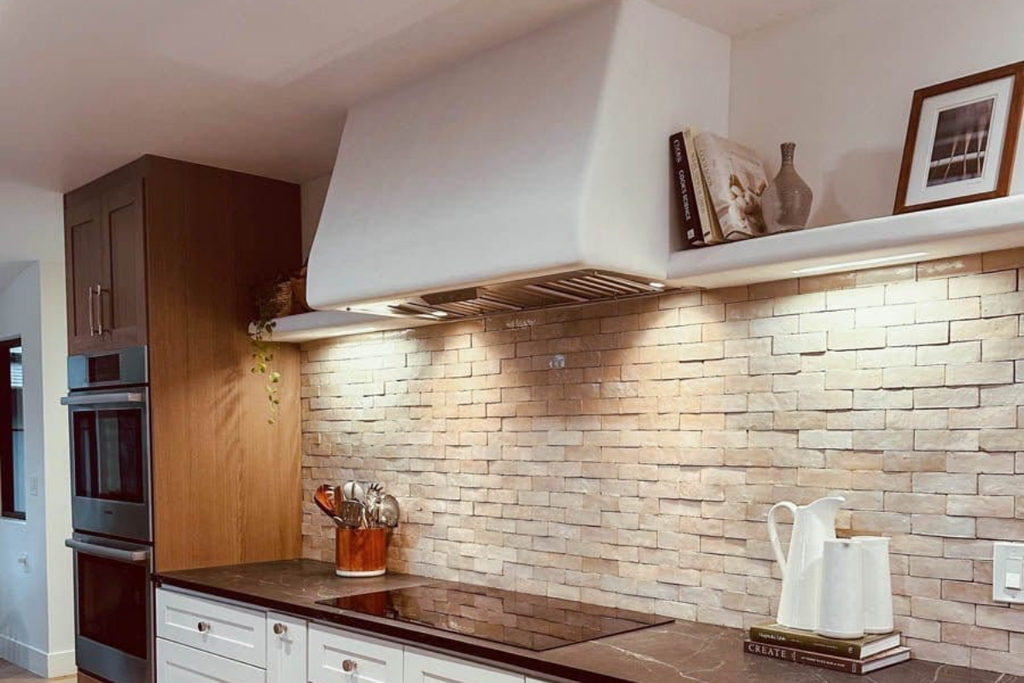
Kitchen ventilation plays an important role in controlling smoke, grease, heat, steam, and cooking odors. Choosing the right 36 range hood vent requires more than matching the width of the cooking surface. Homeowners also need to consider airflow capacity, duct size, mounting height, kitchen layout, cooking habits, and installation requirements. A properly selected hood can capture airborne contaminants more effectively while helping maintain a more comfortable cooking environment. Understanding these factors before purchasing can make the process easier and help prevent common installation and performance problems.
Why Does Range Hood Size Matter?
The width of a range hood determines how much of the cooking surface it can cover. A hood should generally be at least as wide as the cooktop, while a wider hood can provide additional capture area for smoke and steam that moves sideways.
A 36-inch hood is particularly versatile because it can be paired with a 36-inch cooking surface or provide additional coverage over a smaller 30-inch cooktop. Industry guidance commonly uses airflow-per-foot calculations as a starting point, although the final requirement should be based on the appliance manufacturer’s specifications and local requirements.
What CFM Should a 36-Inch Hood Have?
CFM, or cubic feet per minute, measures how much air a ventilation system can move. However, a higher CFM rating does not automatically mean better performance.
For example, general ventilation guidance for wall-mounted hoods uses approximately 100 CFM per foot of hood width, which would put a 36-inch hood at around 300 CFM as a basic starting point. Higher-output gas ranges, frequent high-heat cooking, and longer or more complicated duct runs may require greater airflow. When selecting a 36 range hood vent, consider actual cooking habits rather than simply choosing the highest available CFM.
What Is an Under-Cabinet Range Hood?
An under-cabinet hood is designed to fit beneath kitchen cabinetry positioned above the cooking surface. This configuration can be useful when homeowners want effective ventilation without installing a large chimney-style hood.
Under-cabinet installations can also vary considerably in their dimensions. Some models have shallow profiles, while others require more cabinet depth or specialized duct transitions. Manufacturer installation instructions should therefore be reviewed before modifying cabinetry.
What Clearance Is Needed Above a Cooktop?
Mounting height affects both ventilation performance and safety. A hood positioned too high may struggle to capture smoke and steam before they spread throughout the kitchen. A hood installed too low may interfere with cooking or fail to meet appliance-specific clearance requirements.
Clearance recommendations vary according to the cooktop, hood design, fuel type, and manufacturer instructions.
How Should You Match a Hood to Your Cooking Style?
Cooking habits are just as important as kitchen dimensions. A well-sized 36 range hood vent should provide sufficient capture without creating unnecessary noise or imposing excessive demands on the duct system. More airflow is useful only when the entire ventilation system—including ductwork and makeup air where required—is designed to support it.
What Should You Check Before Installation?
Before installing a new hood, verify the following:
- Hood width compared with cooktop width
- Required CFM for the cooking appliance
- Manufacturer-specified duct diameter
- Existing duct location and route
- Cabinet width and depth
- Recommended mounting height
- Electrical requirements
- Exterior vent termination
- Local building requirements
- Makeup-air requirements for high-CFM systems
Conclusion
Selecting the right range hood involves balancing coverage, airflow, ductwork, installation space, and cooking requirements. A 36-inch model can provide broad coverage for common residential cooktops, but its effectiveness depends on the entire ventilation system rather than width alone.
For kitchens with overhead cabinetry, a 36 vent hood under-cabinet configuration can provide a practical solution when its dimensions and ventilation specifications match the available space. Reviewing manufacturer instructions, measuring carefully, and planning the duct route before installation can help homeowners avoid costly modifications and achieve more reliable ventilation performance.