
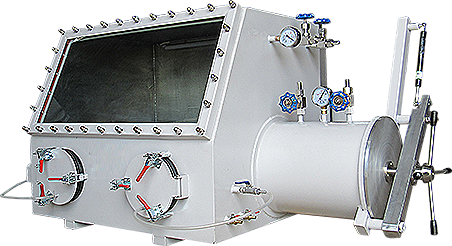
Building an efficient laboratory requires more than purchasing advanced equipment. You need a workspace that supports productivity, protects sensitive materials, and helps you achieve consistent results. Whether you work in pharmaceuticals, electronics, biotechnology, research, or manufacturing, your laboratory should minimize contamination while maximizing workflow. Two of the most valuable tools for accomplishing these goals are glove boxes and laminar flow systems.
When you understand how these systems complement one another, you can create a laboratory that improves safety, product quality, and operational efficiency. By carefully planning your workspace, choosing the right equipment, and following best practices, you can reduce errors, protect valuable samples, and streamline daily operations.
Understand the Role of Each System
Before designing your laboratory, you should understand the unique purpose of glove boxes and laminar flow systems.
A glove box creates a sealed workspace where you can safely handle materials in a controlled atmosphere. Depending on your application, it can maintain an inert gas environment or isolate hazardous materials from the surrounding laboratory.
A laminar flow system, on the other hand, provides a continuous stream of HEPA-filtered air that protects sensitive products from airborne contamination. Instead of enclosing the operator completely, it creates a clean working environment for delicate procedures.
Using both systems strategically allows you to handle a wider range of laboratory tasks while maintaining high cleanliness standards.
Design Your Laboratory Around Workflow
Efficiency begins with smart laboratory design.
Instead of placing equipment wherever space is available, organize your laboratory according to the sequence of your work. Position preparation areas, testing stations, storage spaces, and cleaning zones so you can move smoothly from one step to the next.
Place glove boxes near processes involving moisture-sensitive chemicals, reactive materials, or oxygen-free environments. Locate laminar flow systems where sterile assembly, sample preparation, or contamination-sensitive work takes place.
Reducing unnecessary movement saves time and minimizes the risk of contamination.
Match Equipment to Your Applications
Not every laboratory performs the same tasks, so your equipment should reflect your specific requirements.
If your work involves lithium battery research, semiconductor manufacturing, or handling air-sensitive compounds, portable glove boxes provide the environmental control you need. Choosing the right portable glove box systems for contamination-free laboratory applications helps ensure your laboratory maintains stable conditions throughout critical processes.
Likewise, laminar flow systems are ideal for microbiology, pharmaceutical preparation, optical inspection, and electronics assembly where clean airflow is essential.
Selecting equipment based on actual laboratory requirements prevents unnecessary expenses while improving overall efficiency.
Optimize Space Without Sacrificing Performance
Laboratory space is valuable.
Compact equipment with flexible configurations allows you to maximize available work areas while maintaining comfortable operator access.
Portable glove boxes are particularly useful because they can be relocated when laboratory layouts change or new projects begin. Modular workstations also make future expansion much easier.
Leave sufficient space around equipment for maintenance, cleaning, and safe movement. Crowded workspaces often reduce productivity and increase contamination risks.
Maintain Proper Airflow Throughout the Lab
Even the best laboratory equipment cannot perform effectively if airflow is poorly managed.
Keep laminar flow systems away from doors, high-traffic walkways, fans, or air conditioning vents that may disturb clean airflow patterns.
Similarly, ensure glove boxes are installed in stable environments where pressure fluctuations remain minimal.
Proper ventilation planning helps both systems operate at peak efficiency while maintaining clean working conditions.
Prioritize Operator Safety
Laboratory efficiency always depends on safe working practices.
Provide operators with appropriate personal protective equipment, proper training, and clearly documented operating procedures.
Employees should understand how to:
- Operate glove boxes correctly
- Monitor pressure levels
- Replace gloves safely
- Handle sensitive materials
- Avoid cross-contamination
- Perform daily inspections
When every team member follows standardized procedures, laboratory productivity naturally improves while reducing costly mistakes.
Invest in High-Quality Laboratory Equipment
Choosing reliable equipment is a long-term investment.
Rather than focusing solely on initial purchase price, evaluate durability, filtration performance, sealing quality, ease of maintenance, and customization options.
For laboratories requiring dependable environmental control, high-performance portable Glove Box solutions for controlled laboratory environments can help you achieve consistent experimental conditions while supporting long-term operational efficiency.
Similarly, selecting premium laminar flow systems with high-quality HEPA filtration improves cleanliness and reduces maintenance costs over time.
Working with experienced manufacturers like CleaTech LLC ensures you receive laboratory equipment designed for demanding research and industrial applications.
Perform Regular Maintenance
An efficient laboratory requires ongoing maintenance.
Develop a preventive maintenance schedule that includes:
- Inspecting gloves for wear
- Checking seals and gaskets
- Replacing HEPA filters as recommended
- Monitoring pressure gauges
- Cleaning work surfaces
- Verifying airflow performance
- Calibrating monitoring equipment
Routine maintenance minimizes downtime and helps preserve equipment performance for years.
Train Your Team Continuously
Technology evolves quickly, and your staff should evolve with it.
Regular training sessions help employees stay familiar with updated laboratory procedures, equipment features, and contamination control practices.
Cross-training multiple employees also improves scheduling flexibility and reduces workflow interruptions during staff absences.
Well-trained personnel make fewer errors, complete tasks faster, and contribute to a safer laboratory environment.
Build for Future Growth
Your laboratory should be capable of adapting as research projects and production requirements expand.
Choose modular glove boxes and scalable laboratory systems that allow future upgrades without requiring complete facility redesigns.
Planning for future growth today saves significant time and investment tomorrow.
If you anticipate increasing production volumes or introducing new research capabilities, scalable equipment ensures your laboratory remains efficient for years to come.
Conclusion
Building an efficient laboratory requires thoughtful planning, reliable equipment, and a commitment to contamination control. By integrating glove boxes with laminar flow systems, you create an environment that protects sensitive materials, supports accurate research, and improves operational productivity.
From optimizing laboratory layout to maintaining equipment and training personnel, every decision contributes to a cleaner, safer, and more efficient workspace. Investing in quality solutions today helps ensure dependable performance, reduced downtime, and better research outcomes in the future.
To explore advanced laboratory solutions designed for controlled environments, discover portable Glove Box systems for high-precision laboratory applications. For expert guidance and customized laboratory equipment, visit CleaTech LLC. If you need assistance selecting the right solution for your laboratory, Contact us today.
Frequently Asked Questions
What is the primary purpose of a glove box in a laboratory?
A glove box provides a sealed, controlled environment that protects sensitive materials from moisture, oxygen, dust, and other contaminants while allowing you to work safely through built-in gloves.
How does a laminar flow system improve laboratory efficiency?
A laminar flow system supplies HEPA-filtered air in a uniform direction, reducing airborne contamination and helping maintain clean conditions for sensitive laboratory procedures.
Can glove boxes and laminar flow systems be used together?
Yes. Many laboratories use both systems because they serve different purposes. Glove boxes control the atmosphere inside an enclosed workspace, while laminar flow systems provide clean air for open workstations.
Which industries benefit most from glove boxes?
Industries including pharmaceuticals, biotechnology, semiconductor manufacturing, electronics, battery research, aerospace, and advanced materials research commonly rely on glove boxes for contamination control.
How often should laboratory glove boxes be maintained?
Maintenance schedules vary depending on usage, but regular inspections of gloves, seals, filters, pressure systems, and cleaning procedures should be performed to ensure optimal performance and laboratory safety.
How do you choose the right glove box for your laboratory?
Choose a glove box based on your application, required atmosphere, workspace size, and contamination control needs.