
A diamond bracelet can completely change the way an outfit feels. Even the simplest clothing suddenly looks more polished once that little sparkle catches the light. Whether it is a delicate everyday piece or one of those stunning tennis bracelets people save for special occasions, diamond jewelry carries emotional and financial value at the same time. That is exactly why proper cleaning matters more than most people realize.
But here is the problem. Many people rush straight into cleaning without checking one very important thing first. They grab warm water, soap, maybe even a toothbrush, and start scrubbing. Sometimes the bracelet comes out looking brighter. Other times, the damage slowly begins there without them even knowing.
The crucial step most people miss before cleaning a diamond bracelet is inspecting the setting carefully for loose stones and weak links.
It sounds simple, maybe even boring, but skipping this step is one of the biggest reasons people lose diamonds during cleaning. And honestly, once a tiny diamond slips away down a sink or onto a bathroom floor, finding it again is almost impossible.
Let’s go deeper into why this step matters so much and how to properly care for your bracelet without damaging something valuable.
Why Diamond Bracelets Need Special Care
A diamond bracelet moves constantly. Unlike rings or necklaces, bracelets shift around all day. They rub against desks, clothing, bags, countertops, and sometimes even door handles. Over time, this repeated movement slowly affects the tiny metal parts holding the diamonds in place.
This is especially true with tennis bracelets because they contain multiple connected diamond settings. One weak link or loose prong can become a serious issue very quickly.
Many people assume diamonds themselves are indestructible because diamonds are hard stones. While diamonds resist scratches very well, the bracelet structure holding them does not. Gold and silver settings can wear down gradually, especially with frequent use.
That is why cleaning should never begin blindly.
The Step Most People Skip Before Cleaning
Before water touches the bracelet, hold it under bright lighting and inspect every section closely.
Look for these warning signs:
Loose stones that slightly move when touched
Bent or lifted prongs
Tiny gaps around diamond settings
Weak clasps that no longer snap securely
Cracked links between sections
Areas where metal looks thinner than usual
If anything feels unstable, stop immediately and avoid deep cleaning at home.
Water, soap, and brushing can actually loosen damaged settings even more. A diamond that was barely hanging on could fall out during cleaning or while drying the bracelet afterward.
Professional jewelers check these issues first every single time before cleaning women’s diamond jewelry. At home, people often skip straight to polishing because they are focused only on sparkle.
Why Tennis Bracelets Need Extra Attention
Among all bracelet styles, tennis bracelets are probably the most delicate during cleaning. They are flexible by design, which means every small section experiences movement separately.
That flexibility makes them elegant but also vulnerable.
Over years of wear, tiny hinges and links can weaken. Even expensive bracelets are not immune to this. If one link breaks, multiple stones can become exposed or detached.
A lot of people place tennis bracelets into ultrasonic cleaners thinking it is the best solution. Sometimes it works fine. Sometimes the vibration shakes loose stones completely free.
That risk becomes much higher if the bracelet already had hidden wear.
So before cleaning tennis bracelets, always inspect them carefully first. It only takes a few minutes but can prevent a very expensive mistake.
The Safest Way to Clean a Diamond Bracelet at Home
Once you confirm the bracelet is structurally secure, cleaning becomes much safer.
You do not need harsh products. In fact, aggressive chemicals are one of the biggest reasons jewelry loses its finish over time.
Here is a safer method that actually works well.
Step One
Fill a small bowl with warm water, not hot water. Add a few drops of mild dish soap.
Avoid cleaners containing bleach, chlorine, or strong chemicals.
Step Two
Place the diamond bracelet into the bowl and let it soak for about ten minutes.
This helps loosen oils, lotion buildup, makeup residue, and dirt trapped around the stones.
Step Three
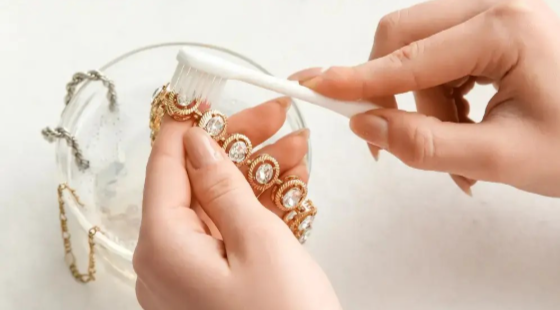
Use a very soft toothbrush or jewelry brush. Gently clean around the diamonds and metal settings.
Do not scrub aggressively. Gentle pressure works better.
Step Four
Rinse carefully using lukewarm water.
This part matters a lot. Always close the sink drain first. So many diamonds disappear because someone rinsed jewelry over an open sink.
Step Five
Pat dry with a soft lint free cloth.
Avoid paper towels because rough fibers can leave tiny scratches on metal surfaces over time.
Mistakes People Make While Cleaning Women’s Diamond Jewelry
A surprising number of cleaning habits actually damage jewelry slowly. The problem is that damage often builds gradually, so people do not connect it to their cleaning routine.
Here are some common mistakes.
Using Toothpaste
Toothpaste is too abrasive for jewelry metals. It can leave microscopic scratches that dull the finish over time.
Boiling Jewelry
Some people believe boiling restores shine faster. This can weaken adhesives and damage certain settings.
Wearing Jewelry During Cleaning Products Use
Household cleaners are terrible for women’s diamond jewelry. Chemicals from kitchen sprays, bleach, and bathroom products slowly damage metal finishes.
Overusing Ultrasonic Machines
Ultrasonic cleaners are not automatically safe for every bracelet. Older settings and delicate tennis bracelets can loosen during vibration cycles.
Skipping Regular Inspections
Even beautifully maintained bracelets need periodic inspections. Tiny prong wear is easy to miss until a diamond suddenly disappears.
How Often Should You Clean a Diamond Bracelet
That depends on how often you wear it.
If it is an everyday bracelet, a gentle cleaning every two weeks usually keeps it looking fresh. If you wear it occasionally for events, cleaning once every month or two is often enough.
But inspections should happen more often than deep cleaning.
A quick thirty second check before and after wearing the bracelet can help catch problems early.
Honestly, many jewelers say prevention matters more than cleaning itself.
Professional Cleaning vs Home Cleaning
Home cleaning works well for basic maintenance, but professional cleaning still matters occasionally.
Professional jewelers use equipment that reaches areas impossible to clean at home. More importantly, they check structural integrity while cleaning.
That inspection can save you from losing expensive stones later.
For valuable women’s diamond jewelry, professional inspection every six to twelve months is usually a smart idea.
Especially for older tennis bracelets that have been worn frequently over the years.
Storage Matters More Than People Think
Cleaning alone is not enough if storage habits are poor.
Diamond bracelets should never be tossed loosely into drawers with other jewelry. Diamonds can scratch other metals and even damage neighboring pieces.
Store each diamond bracelet separately in a soft pouch or fabric lined jewelry box.
This prevents unnecessary friction and keeps settings safer over time.
Humidity also affects certain metals, so dry storage conditions help preserve shine longer.
Final Thoughts
A sparkling bracelet always looks beautiful, but keeping it safe matters just as much as keeping it shiny.
The biggest mistake people make before cleaning a diamond bracelet is ignoring the condition of the setting itself. That quick inspection step can prevent lost diamonds, broken links, and expensive repairs.
Whether you own delicate tennis bracelets or everyday women’s diamond jewelry, careful maintenance keeps each piece looking elegant for years instead of months.
Good jewelry care is not really about making diamonds shine brighter. It is about protecting the memories, money, and meaning attached to every piece. And honestly, that little extra attention before cleaning is completely worth it.