
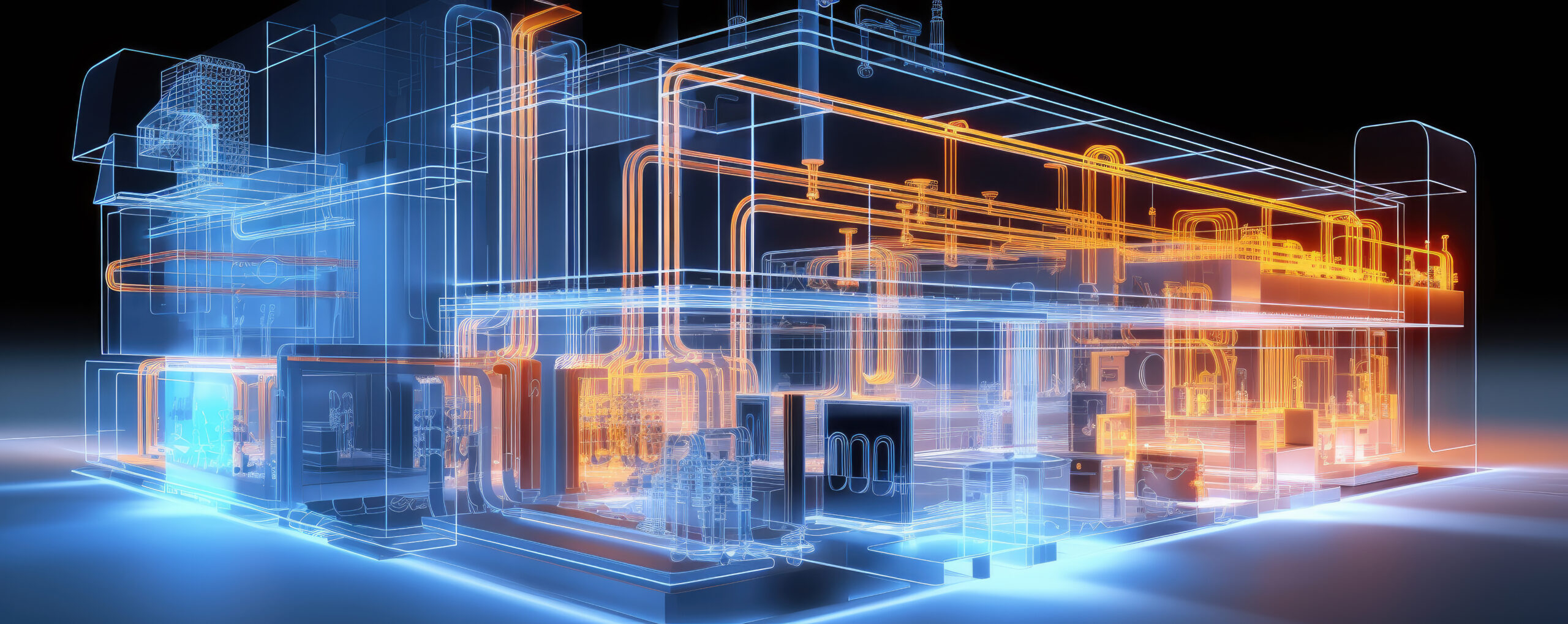
Heating, Ventilation, and Air Conditioning (HVAC) systems play a critical role in maintaining indoor comfort and operational efficiency. However, poorly maintained or outdated systems can significantly increase energy consumption and operating costs. By implementing strategic optimization measures, building owners and facility managers can improve performance while reducing expenses.
Why HVAC Optimization Matters
HVAC systems account for a large portion of a building’s energy usage. When equipment operates inefficiently, it consumes more energy, increases utility bills, and may shorten the lifespan of critical components.
Optimizing HVAC performance not only reduces energy costs but also improves occupant comfort, indoor air quality, and overall building sustainability.
Conduct Regular HVAC Maintenance
Routine maintenance is one of the most effective ways to improve HVAC efficiency. Dirty filters, clogged coils, and worn-out components force systems to work harder than necessary.
Regular inspections and preventive maintenance help identify issues early, ensuring the system operates at peak performance throughout the year.
Upgrade to Smart Controls and Automation
Modern HVAC systems benefit greatly from smart thermostats and automated building controls. These technologies adjust temperature settings based on occupancy patterns and real-time building conditions.
Automation minimizes unnecessary energy use and allows facility managers to monitor performance more effectively.
Optimize Airflow Throughout the Building
Balanced airflow is essential for efficient HVAC operation. Blocked vents, leaking ductwork, and improper air distribution can lead to energy waste and uneven temperatures.
Regular airflow assessments help ensure conditioned air reaches all areas of the building efficiently and comfortably.
Improve Indoor Air Quality Without Wasting Energy
Many building owners assume that improving indoor air quality automatically increases energy consumption. In reality, advanced ventilation strategies and high-efficiency filtration systems can achieve both goals.
Proper ventilation management helps maintain healthy indoor environments while minimizing unnecessary energy usage.
Invest in Energy-Efficient Equipment
Older HVAC units often consume more energy than modern high-efficiency systems. Replacing outdated equipment can significantly reduce operating costs over time.
Energy-efficient technologies, including variable speed drives and advanced chillers, provide better performance while lowering electricity consumption.
Utilize Building Commissioning Services
Building commissioning ensures that HVAC systems are designed, installed, and operating according to project requirements. This process helps identify performance gaps and inefficiencies.
Commissioning can uncover hidden issues that may otherwise lead to higher energy costs and reduced system effectiveness.
Leverage Smart Building Analytics
Data-driven decision-making has become a powerful tool for facility management. Smart building analytics platforms continuously monitor HVAC performance and identify opportunities for improvement.
Real-time insights allow operators to address inefficiencies before they become costly problems, leading to sustained energy savings.
Focus on Occupancy-Based HVAC Operation
Many buildings condition spaces even when they are unoccupied. Occupancy sensors and intelligent scheduling systems help eliminate unnecessary heating and cooling.
Adjusting HVAC operation based on actual building usage can deliver substantial energy savings without affecting comfort levels.
Monitor Energy Performance Continuously
Energy optimization is not a one-time project. Continuous monitoring helps facility managers track system performance, identify trends, and implement corrective actions when needed.
Regular energy performance reviews ensure that savings are maintained and improvement opportunities are not overlooked.
Conclusion
Optimizing HVAC systems is one of the most effective ways to reduce building energy costs while enhancing comfort and sustainability. Through regular maintenance, smart controls, building commissioning, improved indoor air quality strategies, and advanced analytics, organizations can achieve significant long-term savings. Investing in HVAC optimization today creates a more efficient, healthier, and cost-effective building environment for the future.