
Facilities that generate hazardous waste — from hospital labs and dental clinics to research organizations and pharmacies — carry a significant legal and environmental responsibility to dispose of that waste correctly. Cutting corners on this process creates serious risks to human health, the surrounding environment, and the financial stability of the organization involved. Understanding what proper waste management chemical disposal looks like, what the dangers of non-compliance are, and how a structured disposal process works is essential knowledge for any facility manager responsible for regulated waste streams.
The Real Dangers of Improper Hazardous Waste Disposal
The consequences of mishandling chemical and hazardous waste extend far beyond a facility’s walls. Improperly discarded chemicals can seep into soil and groundwater, contaminating drinking supplies and disrupting local ecosystems in ways that persist for decades. Burning or incinerating waste without proper controls releases harmful compounds, including dioxins and volatile organic compounds, into the atmosphere, contributing to respiratory illness and environmental degradation. Flammable chemical waste stored or disposed of carelessly creates fire and explosion hazards that threaten both personnel and property. In urban areas, improper disposal of batteries, e-waste, and chemical products exposes residents to heavy metals linked to developmental disorders and organ damage.
What Hazardous Waste Characterization Involves?
Before any hazardous waste can be safely removed or treated, it must be accurately identified and classified. This process, known as waste characterization and profiling, involves determining what types of waste a facility generates — whether that includes flammable liquids, formalin, xylene, aerosols, or universal waste — and creating a detailed profile for each waste stream. This classification informs every subsequent decision in the disposal process, from the type of container required to the treatment method applied and the regulatory framework that governs its handling under laws such as the Resource Conservation and Recovery Act.
Customized Disposal Plans for Different Facility Types
No two facilities generate identical waste profiles, which is why a standardized approach to waste management chemical disposal rarely delivers adequate results. A dental clinic generates different regulated waste than a hospital oncology department or a compounding pharmacy. Effective disposal programs are built around the specific waste types, volumes, and operational schedules of each individual facility. Flexible pickup scheduling that minimizes disruption to daily operations, combined with clearly defined procedures for segregation and packaging, ensures the program functions smoothly without placing unnecessary burden on facility staff. No long-term contracts are required, giving facilities the freedom to adjust their service arrangements as their needs evolve.
Segregation, Packaging, and Proper Labeling
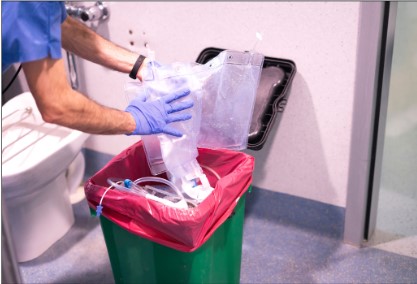
Once waste streams are characterized, proper segregation becomes the next critical step. Different categories of hazardous waste must be separated to prevent dangerous chemical reactions, cross-contamination, and regulatory violations during transportation and treatment. Specialty containers approved for specific waste types — including sharps containers, chemotherapy waste receptacles, and pathological waste packaging — are used to ensure each stream is handled according to its unique risk profile. All containers must be clearly and accurately labeled to meet transportation and disposal regulations, protecting everyone who handles the waste from generation through to final disposal as part of effective waste management chemical disposal practices.
Conclusion
From accurate waste characterization and compliant packaging to licensed transportation and documented treatment, every step of the process matters. Facilities that partner with an experienced, transparent disposal provider gain both peace of mind and the operational confidence that comes with knowing their waste program meets every applicable standard. For facilities with broader regulated waste needs, a dedicated health care waste management partner can address the full spectrum of biohazardous, chemical, pharmaceutical, and sharps waste streams within a single, cohesive compliance program.