
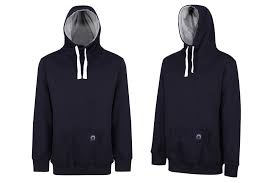
In modern e-commerce, product presentation plays a crucial role in customer engagement and conversion. One widely used technique in apparel imaging is ghost mannequin photography, which creates a 3D effect of clothing without showing the mannequin itself. This method helps buyers visualize fit and structure more clearly than flat lay images.
The demand for clean and professional product visuals has increased significantly, especially in fashion retail. As a result, mannequin photography has become a standard approach for brands aiming to maintain consistency across their product catalogs while improving visual appeal.
Understanding the Ghost Mannequin Technique
The process behind ghost mannequin photography involves photographing garments on a mannequin and then digitally removing the mannequin in post-production. Additional shots of inner parts, like collars or sleeves, are combined to create a seamless hollow effect.
This technique helps highlight garment structure, making it appear as though an invisible model is wearing the product. It is widely used because it offers a balance between flat lay photography and full model shoots. While flat lays lack depth and model photography can be expensive, mannequin photography provides a cost-effective middle ground.
Importance of E-commerce Product Presentation
Online shoppers rely heavily on visuals to assess clothing quality, fit, and style. Ghost mannequin photography enhances the clarity of these details by preserving natural garment shape and drape.
This method is especially useful for categories like shirts, jackets, and dresses, where structure matters. Studies in product imaging suggest that 3D-like presentation can improve user engagement compared to flat images because it reduces uncertainty about fit. As a result, many brands use mannequin photography to maintain a consistent and professional product catalog.
Factors Influencing Photography Rates
The cost of product imaging varies widely depending on several factors. One of the most significant is the complexity of the technique used. Since mannequin photography involves both shooting and post-processing, it generally costs more than simple flat lay photography.
Other factors influencing photography rates include:
- Volume of products being photographed
- Complexity of garments and materials
- Level of retouching required
- Turnaround time for delivery
- Studio location and expertise
Each of these elements affects the pricing structure. For example, intricate clothing items requiring detailed editing will naturally increase overall costs. Similarly, faster delivery requests may lead to higher charges.
Breakdown of Pricing in the Industry
In the professional photography industry, pricing models for apparel images vary based on service quality. Basic product shoots may be priced lower, whereas advanced editing techniques, such as mannequin photography, require additional post-production work.
On average, per-image pricing can range from lower-cost bulk rates to higher-end studio services depending on quality expectations. The inclusion of retouching, color correction, and compositing significantly impacts final pricing.
This variation is why mannequin photography is often considered a premium service within product imaging, especially for brands aiming for high-quality visual presentation.
Benefits of Ghost Mannequin Photography for Brands
One of the main advantages of this mannequin photography is its ability to create a consistent visual identity across an entire product line. This consistency helps improve brand perception and customer trust.
It also reduces the need for live models, making it more scalable for large catalogs. Additionally, the technique allows customers to focus entirely on the product rather than external distractions, which can improve purchasing decisions.
For businesses comparing different visual strategies, mannequin photography often emerges as a cost-efficient solution that balances quality and scalability.
Conclusion
As e-commerce continues to evolve, the demand for high-quality product imagery is increasing. Understanding product photography rates is essential for businesses planning their visual content strategy. Mannequin photography plays a key role in bridging the gap between affordability and professional presentation.