
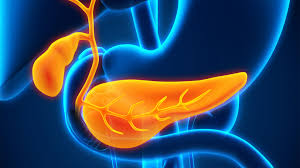
The pancreas is a small organ that supports digestion and helps regulate blood sugar levels. When affected by disease or abnormal growths, symptoms may develop gradually and remain unnoticed in the early stages. Some pancreatic conditions, including pancreatic cysts, may require monitoring or treatment after proper medical evaluation. Recognising symptoms early can support timely diagnosis and reduce the risk of complications. Although digestive discomfort is common, persistent abdominal or digestive symptoms should always be assessed by a healthcare professional.
Persistent Upper Abdominal Pain
Pain in the upper abdomen is one of the more common symptoms linked with pancreatic conditions. In some individuals, the pain may spread towards the back and become more uncomfortable after meals. The discomfort may feel persistent and constant, or occur in episodes that recur frequently.
Persistent abdominal pain may require medical assessment when it continues for several days or begins to affect appetite and sleep. While abdominal pain can occur for many reasons, pancreatic-related discomfort often develops alongside digestive symptoms, nausea, or unexplained weight changes.
Unexplained Weight Loss and Loss of Appetite
Unexpected weight loss without changes in physical activity or eating habits may suggest that the digestive system is not functioning properly. The pancreas supports nutrient absorption by releasing enzymes that help digest fats, proteins, and carbohydrates.
People with pancreatic disorders may also experience reduced appetite or early fullness during meals. Over time, this may lead to weakness and reduced energy levels. A medical evaluation becomes important when weight loss persists without a clear explanation.
Jaundice and Digestive Changes
Jaundice may occur when inflammation, swelling, or growths near the pancreas affect the bile duct. This condition can lead to visible yellowing of the skin and eyes.
Some digestive changes that may occur alongside jaundice include:
- Dark urine: Urine may appear darker than usual due to changes in bile flow.
- Pale stools: Reduced bile entering the digestive tract can affect stool colour.
- Itching: Some individuals experience skin irritation linked with bile salt buildup.
- Difficulty digesting fatty foods: Meals high in fat may cause discomfort or a feeling of heaviness.
These symptoms should be medically assessed, especially if they persist or occur together.
Nausea, Vomiting, and Bloating
Digestive discomfort linked with pancreatic conditions may affect eating patterns and overall well-being. Symptoms often become more noticeable after meals and may continue for several weeks.
- Nausea: Feeling sick after eating or throughout the day.
- Vomiting: Repeated vomiting that affects hydration and appetite.
- Bloating: A heavy or swollen feeling in the abdomen after meals.
- Greasy stools: Poor fat digestion may lead to oily or difficult-to-flush stools.
Persistent digestive disturbances may require medical assessment when they continue over time.
Changes in Blood Sugar Levels
The pancreas helps regulate blood sugar by producing insulin. Certain pancreatic conditions may affect insulin production and lead to changes in blood sugar levels. Some individuals may develop diabetes-related symptoms, while others may find existing blood sugar levels harder to manage. Increased thirst, tiredness, and frequent urination should be medically assessed when they occur alongside digestive or abdominal symptoms.
Recurrent Pancreatitis Symptoms
Pancreatitis refers to inflammation of the pancreas. Repeated episodes may sometimes be linked with pancreatic abnormalities, gallstones, certain infections, or alcohol-related damage.
Symptoms commonly associated with recurrent pancreatitis include:
- Severe abdominal pain: Pain usually develops in the upper abdomen and may spread to the back.
- Fever: Inflammation may lead to a raised body temperature.
- Nausea and vomiting: Digestive upset often occurs during flare-ups.
- Loss of appetite: Eating may become uncomfortable during episodes.
Repeated inflammation can gradually affect pancreatic function and may increase the risk of long-term complications.
Fatigue and General Weakness
Long-term fatigue can also occur in people with pancreatic disorders. Poor digestion, inflammation, and reduced nutrient absorption may contribute to ongoing tiredness and weakness.
Common signs may include:
- Low energy levels: Feeling tired despite adequate rest.
- Reduced stamina: Difficulty managing routine physical activities.
- Weakness: Loss of strength linked with poor nutrition or weight loss.
- Reduced concentration: Ongoing fatigue may affect daily focus.
Fatigue alone may not indicate a pancreatic condition, but it should not be ignored when combined with other symptoms.
When to Seek Medical Attention
Medical advice should be sought when digestive or abdominal symptoms persist. Doctors may recommend blood tests, imaging scans, or endoscopic procedures to identify pancreatic abnormalities.
Medical evaluation may be important if symptoms include:
- Persistent abdominal pain
- Unexplained weight loss
- Jaundice
- Repeated vomiting
- Digestive discomfort lasting several weeks
In some cases, scans may detect cysts or related pancreatic abnormalities that require monitoring or pancreatic cyst treatment, depending on their size and associated symptoms.
Conclusion
Symptoms linked with serious pancreatic conditions may appear gradually and can sometimes resemble common digestive problems. Persistent abdominal pain, jaundice, digestive changes, unexplained weight loss, and ongoing fatigue should not be overlooked, especially when several symptoms occur together. Timely medical evaluation may support an accurate diagnosis and guide appropriate care based on the individual’s condition.