
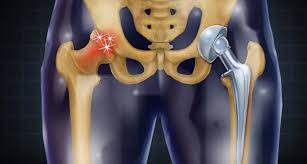
Hip replacement surgery is a commonly recommended procedure for individuals experiencing severe hip pain, stiffness, or reduced mobility that affects daily life. While the procedure itself is an important milestone, recovery plays an equally significant role in achieving long-term comfort and mobility. Understanding the recovery timeline helps individuals set realistic expectations, prepare for lifestyle adjustments, and approach rehabilitation with confidence and patience.
Recovery in the First Days After Surgery
The initial recovery phase begins immediately after surgery, focusing on medical monitoring, pain management, and gentle movement. Patients are usually encouraged to begin moving within a day under medical supervision, as early movement promotes circulation and reduces the risk of complications. Hospital stays typically last a few days based on overall progress and health.
- Pain Management: Effective pain control and proper wound care support comfort and healing.
- Safe Movement: Learning safe sitting, standing, and walking techniques helps prevent strain or injury.
- Early Physiotherapy: Light physiotherapy exercises begin to improve mobility and strength.
- Complication Monitoring: Regular observation helps detect early signs of complications.
These early steps help build a strong foundation for the rehabilitation process.
Weeks 1 to 4: Early Home Recovery
Recovery continues at home after discharge, with the first month focused on gradually regaining independence and improving mobility. Walking with support, such as a walker or crutches, is common, as are daily exercises that improve flexibility and strengthen the surrounding muscles.
- Swelling Management: Managing swelling and discomfort supports steady healing.
- Physiotherapy Routine: Following prescribed physiotherapy improves strength and flexibility.
- Movement Precautions: Avoid sudden movements or excessive bending to prevent strain.
- Home Safety: Maintaining a safe home environment reduces the risk of falls.
By the end of the first month, many individuals experience increased comfort and improved mobility. Gradual progress during this stage helps prepare the body for the next phase of recovery.
Weeks 4 to 8: Regaining Strength and Confidence
During the second month, healing continues as strength, balance, and endurance improve steadily. Physiotherapy becomes more focused on rebuilding muscle strength and restoring confidence in movement.
- Walking Distance: Increased walking distance reflects improving strength and stamina.
- Joint Flexibility: Improved flexibility enables smoother, more comfortable movement.
- Mobility Support: Reduced reliance on mobility aids indicates growing stability.
- Daily Comfort: Greater ease in routine activities improves independence.
Consistent rehabilitation remains essential during this stage. Regular exercise and medical guidance help prepare the body for long-term recovery and daily activity.
Months 2 to 3: Expanding Daily Activities
By the third month, many individuals begin returning to a more active routine as the hip joint stabilises and strength improves with regular movement. Confidence in daily activities often increases during this stage.
- Household Tasks: Light household activities may be resumed gradually.
- Driving Approval: Driving can restart after medical clearance.
- Low-Impact Exercise: Walking or gentle cycling supports continued recovery.
- Posture Balance: Improved posture and balance enhance mobility and stability.
Although progress is noticeable, high-impact activities should still be avoided. Continued care and guided activity help support long-term joint health.
Months 3 to 6: Long-Term Healing and Mobility
Between three and six months after surgery, recovery focuses on strengthening the joint and adapting to long-term lifestyle changes. Many individuals feel more comfortable and confident in daily movement during this phase.
- Pain Reduction: Noticeable decrease in pain and stiffness.
- Daily Independence: Greater ease in performing routine activities.
- Better Endurance: Improved stamina and flexibility with regular movement.
- Life Quality: Overall improvement in comfort and mobility.
Physiotherapy may continue with a focus on maintaining strength. Consistent habits help protect the joint and prevent future strain.
One Year After Surgery: Full Recovery Milestone
Full recovery from hip replacement surgery in Delhi can take up to a year, as the joint adapts and surrounding muscles strengthen. By this stage, movement usually feels more natural and stable.
- Independent Walking: Comfortable movement without support.
- Better Sleep: Reduced discomfort during rest.
- Active Lifestyle: Easier participation in social and recreational activities.
- Greater Independence: Improved confidence in daily routines.
Recovery timelines vary for each individual. However, consistent care and rehabilitation often lead to significant long-term mobility and comfort.
Lifestyle Adjustments for Long-Term Joint Health
Recovery continues even after mobility improves, as long-term care supports joint health and reduces the risk of complications. Daily habits play an important role in maintaining comfort and stability.
- Weight Management: Maintaining a healthy body weight
- Active Lifestyle: Staying physically active with low-impact exercises
- Movement Safety: Avoiding sudden or high-impact movements
- Supportive Footwear: Using comfortable and supportive shoes
- Ongoing Exercise: Continuing strengthening and flexibility routines
Consistent lifestyle habits help protect the new joint. Long-term care supports comfort, mobility, and overall quality of life.
Conclusion
Recovery after hip replacement surgery in Delhi is a gradual and structured process that unfolds over several months. Each stage brings measurable progress, from early mobility to long-term independence and improved quality of life. Patience, consistency, and adherence to medical guidance play a key role in achieving successful outcomes. By understanding the recovery timeline and maintaining realistic expectations, individuals can approach rehabilitation with confidence and work steadily toward regaining comfort, strength, and mobility.