
Your roof quietly protects everything beneath it, yet it is often overlooked until a problem appears. Understanding how to maintain your roof is essential for preventing costly repairs and extending its lifespan. For homeowners in Indiana, where seasonal weather can shift from heavy snow to strong summer storms, consistent roof care is especially important.
Roof maintenance is not just about fixing leaks. It involves routine inspection, proper cleaning, and knowing when to involve professionals. With a little awareness and the right approach, you can keep your roof in reliable condition year-round.
Understanding Roof Maintenance Basics
Roof maintenance refers to a set of routine tasks designed to preserve the structural integrity and performance of your roofing system. These tasks include inspecting shingles, clearing debris, checking flashing, and ensuring proper drainage through gutters.
Most residential roofs in Indiana are made of asphalt shingles, though metal and composite materials are also common. Each type has its own maintenance needs, but the goal remains the same: prevent water intrusion and structural damage.
Professionals typically recommend inspecting your roof at least twice a year, usually in the spring and fall. This schedule helps identify issues caused by winter weather or summer storms before they worsen.
How Roof Systems Function in Real Conditions
A roofing system is more than just shingles. It includes underlayment, flashing, ventilation, and drainage components that work together to protect your home.
In real-world conditions, your roof handles:
- Rainwater runoff through gutters and downspouts
- Temperature fluctuations that cause materials to expand and contract
- Wind forces that can loosen or remove shingles
- Moisture control through attic ventilation
When any of these elements fail, problems such as leaks, mold growth, or structural weakening can occur. Regular maintenance ensures each component continues to function as intended.
Tools and Equipment Used in Roof Care
Maintaining a roof requires both basic and specialized tools. Homeowners often use:
- Ladders with stabilizers for safe access
- Roofing nails and sealants for minor fixes
- Soft-bristle brushes or leaf blowers for debris removal
- Garden hoses for controlled cleaning
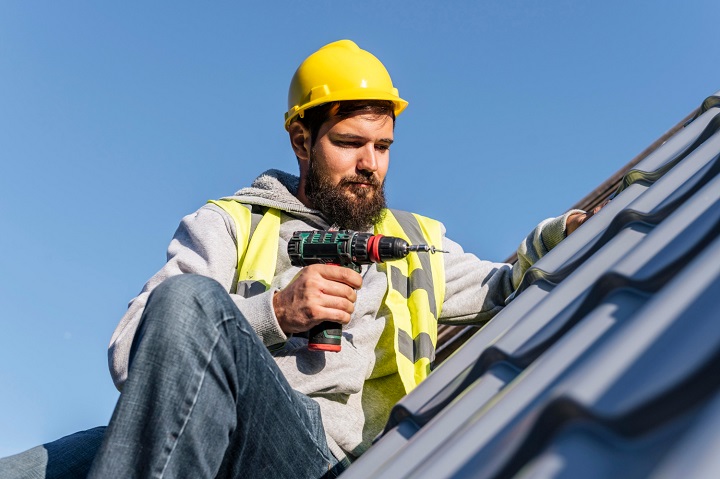
Professionals may also use moisture meters, infrared scanners, and safety harness systems. These tools allow them to detect hidden damage and work safely on steep or high roofs.
Using the correct equipment reduces the risk of accidental damage and improves the effectiveness of maintenance tasks.
Safety and Regulatory Considerations
Roof work involves significant safety risks. Falls are one of the most common causes of home-related injuries, making proper precautions essential.
Basic safety practices include:
- Using a stable ladder placed on level ground
- Wearing non-slip footwear
- Avoiding roof work during wet or windy conditions
- Using safety harnesses when working on steep slopes
In Indiana, building codes also regulate roofing materials, ventilation, and installation methods. While basic maintenance does not typically require permits, larger repairs or replacements must comply with local regulations.
Professionals are trained to follow these standards, which is why complex work is often best left to licensed contractors.
Responsibilities of Roofing Professionals
Roofing professionals play a key role in maintaining long-term roof health. Their responsibilities go beyond repairs and include:
- Conducting detailed inspections
- Identifying early signs of wear or damage
- Recommending appropriate maintenance schedules
- Ensuring compliance with local codes and safety standards
For example, companies like Guardian Exteriors, based in New Palestine, Indiana, often provide inspection and maintenance services as part of routine roofing care. Their work reflects standard industry practices, where contractors assess both visible and hidden issues. More information about their services can be found at Guardian Exteriors.
Real-World Scenario: Post-Storm Roof Inspection
After a strong summer storm in Indiana, a homeowner notices small pieces of shingles in their yard. While the roof appears intact from the ground, a closer inspection reveals lifted shingles and minor flashing damage around the chimney.
In this situation, immediate maintenance prevents further issues. A professional inspection confirms that water has not yet penetrated the underlayment. Repairs are completed quickly, avoiding what could have become a costly leak during the next rainfall.
This example shows how early detection and timely action can make a significant difference.
Common Mistakes Homeowners Make
Many homeowners unintentionally shorten their roof’s lifespan due to avoidable mistakes.
Common issues include:
- Ignoring small leaks or missing shingles
- Using pressure washers that damage roofing materials
- Walking on the roof without proper knowledge or equipment
- Neglecting gutter cleaning, leading to water buildup
Another misunderstanding is assuming that a roof only needs attention when visible damage appears. In reality, many problems develop gradually and are not immediately noticeable.
Practical Tips for Maintaining Your Roof
Consistent care does not require advanced skills. A few simple practices can go a long way:
- Inspect your roof visually from the ground after storms
- Keep gutters clear to ensure proper drainage
- Trim overhanging tree branches to reduce debris buildup
- Check attic spaces for signs of moisture or poor ventilation
- Schedule periodic professional inspections
These habits help catch problems early and maintain the overall health of your roofing system.
Frequently Asked Questions
1. How often should I inspect my roof?
Twice a year is ideal, plus after major storms.
2. Can I clean my roof myself?
Yes, but use gentle methods and avoid pressure washing.
3. What are early signs of roof damage?
Look for missing shingles, granule loss, and water stains in the attic.
4. When should I call a professional?
If you notice leaks, structural concerns, or are unsure about safety.
5. Do gutters affect roof health?
Yes, clogged gutters can cause water to back up and damage roofing materials.
Conclusion
Learning how to maintain your roof is an essential part of responsible homeownership. Regular inspections, proper cleaning, and attention to small issues can prevent major problems down the line.
By understanding how roofing systems work, using the right tools, and following safe practices, homeowners in Indiana can protect their investment and ensure their roof performs reliably for years to come.