
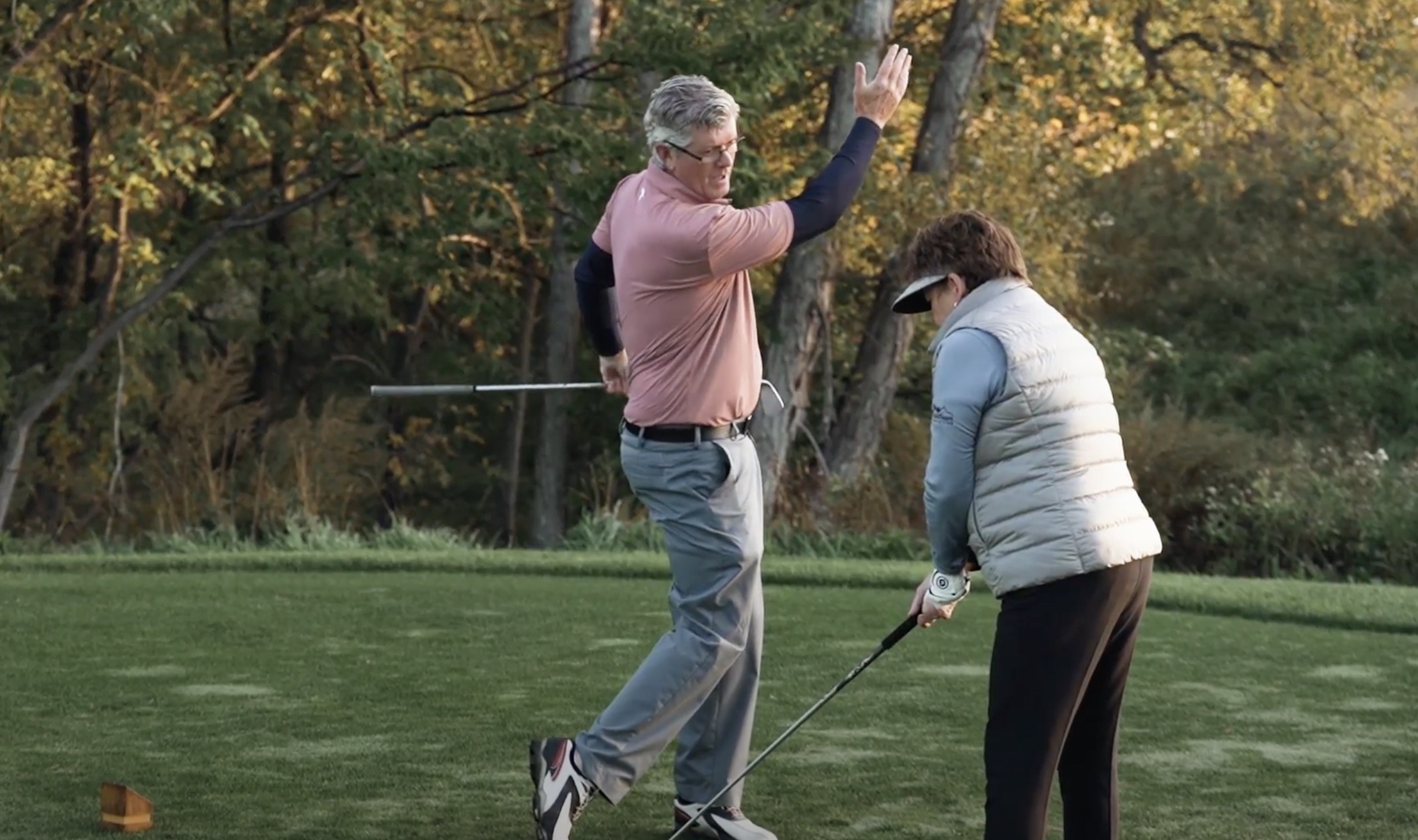
Golf is a game of precision, timing, and control. While many golfers focus on swing mechanics and club selection, one crucial element often overlooked is footwork. Proper golf swing footwork is the foundation of balance, power, and consistency, and mastering it can transform your game at any age.
This is especially true for golfers over 50, where maintaining stability, avoiding injury, and generating sufficient power become increasingly important. In this article, we’ll break down the principles of proper footwork, explain its role in balance and power, and provide drills and tips to help you integrate it into your game.
Why Footwork Matters in Golf
Many golfers underestimate the impact of their lower body during the swing. Your feet are your connection to the ground, and the way you move them dictates your balance, weight transfer, and energy generation.
Key Benefits of Proper Footwork
- Improved Balance – Prevents swaying, falling backward, or over-rotating, helping you maintain control throughout the swing.
- Enhanced Power – Efficient weight transfer from the back foot to the front foot generates more clubhead speed without extra effort.
- Consistency in Ball Striking – A stable base allows for better impact, more accurate shots, and fewer mishits.
- Injury Prevention – Reduces strain on knees, hips, and lower back by promoting natural, fluid motion.
For golfers over 50, footwork is not just a technique—it’s a way to protect your body while maximizing performance.
Understanding the Fundamentals of Golf Swing Footwork
Proper footwork involves more than just where you place your feet. It’s about how your feet, legs, and weight interact throughout the swing.
1. Stance and Alignment
- Width: Position your feet roughly shoulder-width apart for balance. Wider stances can enhance stability for irons and shorter clubs, while slightly narrower stances may work for drivers.
- Weight Distribution: At address, distribute weight evenly between both feet, slightly favoring the balls of your feet rather than heels.
- Alignment: Ensure your feet, hips, and shoulders are aligned parallel to the target line to maintain consistent swing paths.
2. Weight Shift During the Swing
- Backswing: Gently shift your weight to the inside of your back foot while maintaining balance. Avoid lifting your back heel too early or swaying sideways.
- Downswing: Initiate with the lower body, shifting weight from the back foot to the front foot. This movement generates torque and power.
- Follow-Through: Finish with most of your weight on your front foot, your back foot pivoted naturally, and balanced over the toes.
3. Foot Pivot and Rotation
- Back Foot: During the downswing, the back foot pivots on the ball of the foot, allowing the hips to rotate smoothly.
- Front Foot: The front foot stabilizes the swing, anchoring your balance and absorbing the transfer of energy.
- Knee Flex: Maintain a slight bend in the knees throughout the swing to allow mobility while keeping stability.
How Footwork Enhances Balance
Balance is the cornerstone of a consistent golf swing. Even small instabilities in your feet can lead to off-center hits, hooks, slices, or loss of power.
Key Principles for Better Balance
- Stay Grounded: Focus on feeling connected to the ground; avoid lifting your heels or twisting excessively.
- Control Your Center of Gravity: A stable core allows your upper body to rotate freely without wobbling.
- Use Foot Drills: Simple drills like swinging with your feet close together or holding a slow-motion swing can highlight balance issues.
Good balance also reduces the risk of injury, particularly for golfers over 50, who may have stiffer joints or less lower-body strength.
How Footwork Generates Power
Power in golf doesn’t come solely from swinging harder; it comes from efficiently transferring energy from your body to the club. Footwork is key to this energy transfer.
Mechanics of Power Through Footwork
- Leg Drive: Initiate the downswing with your legs. Pushing off your back foot into the front foot creates rotational force.
- Hip Rotation: Proper foot placement allows your hips to rotate freely, adding speed and torque to your swing.
- Sequential Motion: The swing should follow a chain reaction: feet → legs → hips → torso → arms → clubhead. Improper footwork breaks this chain, reducing power.
For older golfers, emphasizing footwork over sheer arm strength can maintain distance and consistency without overstraining muscles or joints.
Common Footwork Mistakes and How to Fix Them
Even experienced golfers often struggle with footwork errors. Recognizing and correcting them can make a huge difference.
1. Swaying Instead of Rotating
- Mistake: Lateral movement of the hips instead of rotational motion.
- Fix: Keep your head relatively stable and focus on turning your hips while pivoting your back foot.
2. Early Heel Lift
- Mistake: Lifting the back heel too soon, causing loss of balance and inconsistent contact.
- Fix: Practice swinging slowly, allowing the heel to lift only as your weight shifts naturally toward the front foot.
3. Locked Front Foot
- Mistake: Preventing the front foot from pivoting, which restricts hip rotation.
- Fix: Allow the front foot to pivot slightly on the heel during follow-through to facilitate a smooth finish.
4. Over-Reliance on Upper Body
- Mistake: Using arms and shoulders for power instead of the legs and hips.
- Fix: Focus on initiating the swing with your lower body and letting the arms follow naturally.
Drills to Improve Golf Swing Footwork
Integrating footwork drills into your practice is the best way to make it second nature.
1. Step-Through Drill
- Swing the club normally, then step your back foot forward after impact.
- Helps practice proper weight transfer and balance.
2. Heel-to-Toe Drill
- Swing with your feet close together, then gradually widen your stance.
- Improves stability and forces proper weight shift.
3. Alignment Stick Drill
- Place a stick along your target line, and practice pivoting your feet without stepping off the line.
- Encourages correct foot rotation and balance.
4. Slow-Motion Footwork Drill
- Take slow swings while exaggerating the weight shift from back to front foot.
- Reinforces sequencing and prevents rushing the movement.
Adapting Footwork for Golfers Over 50
As we age, flexibility, strength, and stability can decline. Fortunately, footwork can be adapted for older golfers to maintain performance:
- Shorten the Swing: A slightly abbreviated swing can maintain balance and control.
- Focus on Stability: Use a wider stance to enhance base support for longer shots.
- Stretch Regularly: Maintain ankle, hip, and calf flexibility to allow proper foot movement.
- Practice Weight Transfer: Emphasize smooth movement rather than speed to generate power safely.
By adapting footwork techniques, older golfers can preserve power and accuracy while protecting their joints.
Conclusion
Proper golf swing footwork is more than a technical detail—it’s the foundation for balance, power, and consistency. By understanding stance, weight transfer, pivot, and rotation, golfers can improve their swing efficiency, reduce injury risk, and enjoy more reliable ball striking.
For golfers over 50, footwork is especially critical. Emphasizing proper movement allows you to generate power without straining muscles, maintain balance, and play confidently. Incorporate the drills, avoid common mistakes, and focus on smooth, controlled motion.
With practice, your footwork can transform your game, making each swing more powerful, accurate, and enjoyable. The next time you step on the course, remember: great shots start from the ground up.