
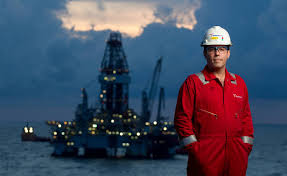
Medical and safety requirements are essential for offshore operations, where conditions demand constant alertness, physical fitness, and sound judgment. Offshore installations involve long working hours, heavy equipment, and exposure to changing weather. Because of these risks, authorities apply strict standards before approving applicants for leadership roles. For individuals applying for an OIM License, these requirements help confirm their ability to manage offshore activities safely and respond effectively during emergencies. Medical readiness and safety awareness support both operational control and workforce protection.
Scope of Medical and Safety Standards for OIM Applicants
Medical and safety standards exist to reduce offshore incidents linked to health limitations or poor emergency response. Regulators focus on whether applicants can perform safely in high-risk environments rather than on general job skills. These standards aim to ensure that offshore leaders remain fit, alert, and capable of handling unexpected situations without delay.
Medical Fitness Criteria for OIM License Applicants
Medical fitness assessments check whether applicants can meet the physical and mental demands of offshore work. These criteria focus on health factors that directly affect safety, mobility, and decision-making.
Key medical fitness areas include:
- Cardiovascular and respiratory health to support stamina during extended offshore shifts
- Physical strength and mobility to move safely on platforms, stairs, and confined spaces
- Vision and hearing capability to read instruments, hear alarms, and communicate clearly
- Mental health and stress tolerance to maintain focus and calm decision-making
Meeting these standards confirms that applicants can operate safely under offshore conditions.
Mandatory Medical Examinations
Medical examinations provide formal confirmation of an applicant’s fitness before OIM License approval. These checks follow approved medical procedures and documentation rules.
Mandatory examination requirements include:
- Health assessments conducted by certified medical professionals
- Medical evaluations aligned with offshore operational demands
- Medical certificates with defined validity periods
- Complete and accurate medical records submitted during the application process
These examinations ensure consistent medical oversight for offshore leadership roles.
Disqualifying Medical Conditions
Certain medical conditions may restrict offshore deployment due to safety concerns. Chronic heart disease, uncontrolled respiratory conditions, or severe mobility limitations may result in disqualification. Temporary conditions, such as short-term injuries, may delay approval until recovery. Medical professionals assess each case individually to determine offshore fitness.
Safety Training Requirements
Safety training prepares applicants to recognize hazards and respond effectively during emergencies. These programs focus on practical skills required for offshore environments.
Required safety training typically includes:
- Offshore safety and survival techniques
- Emergency response and evacuation procedures
- Fire safety and hazard control practices
This training ensures applicants understand safety systems and emergency protocols before deployment.
Safety Awareness and Operational Readiness
Beyond formal training, applicants must demonstrate strong safety awareness. Offshore leaders must identify risks early, react quickly, and guide teams during emergencies. Medical fitness supports alertness and physical response, while safety knowledge enables steady leadership under pressure.
Ongoing Medical and Safety Compliance
Medical and safety compliance continues even after license approval. Ongoing monitoring helps maintain offshore safety standards over time.
Ongoing compliance expectations include:
- Periodic medical reassessments to confirm continued fitness
- Regular safety training refreshers
- Continuous adherence to current offshore safety requirements
These measures help ensure long-term readiness and risk control.
Conclusion
Medical fitness and safety preparedness remain central to offshore leadership. These requirements help ensure that only capable and prepared individuals oversee offshore installations. For applicants pursuing an OIM License, meeting medical and safety standards reflects responsibility, readiness, and commitment to safe offshore operations.