
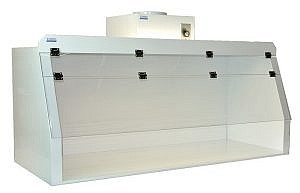
When you work with aggressive acids, solvents, and other corrosive chemicals, choosing the right laboratory equipment directly impacts safety, efficiency, and long-term operating costs. Standard metal fume hoods may deteriorate over time when exposed to harsh chemicals, leading to expensive maintenance and potential safety concerns. That is why many laboratories rely on polypropylene fume hoods.
A polypropylene fume hood is specifically designed to withstand corrosive environments while maintaining excellent chemical resistance and reliable ventilation. If your laboratory regularly handles strong acids or reactive substances, understanding why polypropylene performs so well can help you make a smarter investment.
What Makes Polypropylene Different?
Polypropylene is a durable thermoplastic polymer known for its exceptional resistance to chemical attack. Unlike steel or other metals that may corrode, rust, or degrade after prolonged exposure to aggressive chemicals, polypropylene remains stable under challenging laboratory conditions.
Because it is non-reactive with many acids, alkalis, and laboratory reagents, polypropylene provides a dependable barrier between hazardous chemicals and your laboratory infrastructure.
Its lightweight construction also makes installation easier without sacrificing structural strength.
Why Does Polypropylene Resist Corrosive Chemicals?
Several unique material properties contribute to its superior chemical resistance.
Excellent Chemical Compatibility
Polypropylene naturally resists many corrosive substances, including:
- Hydrochloric acid
- Sulfuric acid
- Nitric acid (under suitable concentrations)
- Acetic acid
- Sodium hydroxide
- Various laboratory cleaning chemicals
Since the material does not easily react with these chemicals, it helps maintain its structural integrity for years.
No Rust or Corrosion
Metal hoods can eventually develop rust, pitting, or surface damage after repeated exposure to moisture and chemicals.
Polypropylene contains no metal components in its body that can oxidize. As a result, you eliminate one of the most common causes of laboratory equipment deterioration.
Smooth Non-Porous Surface
The smooth surface prevents many chemicals from penetrating the material.
This makes cleaning easier because spills remain on the surface instead of soaking into the hood. Regular maintenance becomes faster while reducing contamination risks.
High Moisture Resistance
Laboratories often generate humid environments during chemical processing.
Polypropylene absorbs very little moisture, allowing it to maintain consistent performance without swelling, warping, or weakening.
Benefits You Gain from Polypropylene Fume Hoods
Choosing polypropylene offers advantages beyond chemical resistance.
Longer Equipment Life
Since corrosive chemicals cause minimal damage, your fume hood typically lasts longer than many conventional alternatives.
This reduces replacement frequency and lowers your total ownership costs.
Reduced Maintenance
You spend less time repairing corroded panels or replacing damaged components.
Routine inspections remain important, but maintenance demands are generally much lower.
Improved Laboratory Safety
A chemically resistant hood continues providing reliable containment throughout its service life.
Stable construction helps reduce equipment failures that could compromise laboratory safety.
Lower Operating Costs
Although initial costs vary depending on configuration, reduced repairs and longer equipment lifespan often make polypropylene a cost-effective investment.
Industries That Benefit Most
Polypropylene fume hoods are commonly used in laboratories that frequently handle corrosive substances.
Examples include:
- Pharmaceutical laboratories
- Chemical manufacturing
- University research facilities
- Biotechnology laboratories
- Environmental testing laboratories
- Semiconductor manufacturing
- Industrial quality control laboratories
- Water treatment facilities
These industries require dependable equipment capable of resisting continuous chemical exposure.
Best Practices for Maximum Performance
Even highly resistant materials benefit from proper maintenance.
To maximize the lifespan of your polypropylene fume hood:
- Clean chemical residues after every experiment.
- Inspect ductwork and exhaust systems regularly.
- Follow manufacturer airflow recommendations.
- Avoid storing unnecessary chemicals inside the hood.
- Schedule periodic airflow performance testing.
- Replace filters or exhaust components according to maintenance schedules.
Consistent care helps maintain optimal containment performance.
How to Choose the Right Polypropylene Fume Hood
Before purchasing, evaluate your laboratory’s specific requirements.
Consider factors such as:
- Types of chemicals used
- Daily workload
- Hood dimensions
- Airflow capacity
- Ducted ventilation requirements
- Laboratory layout
- Regulatory compliance
- Future expansion needs
Selecting equipment that matches your application ensures long-term efficiency and safer laboratory operations.
If you are evaluating a high-performance polypropylene fume hood for corrosive chemical laboratories, explore the Polypropylene Fume Hood solutions designed for demanding laboratory environments that provide reliable chemical resistance and dependable airflow performance.
Why Material Selection Matters
Every laboratory has unique chemical processes, but one factor remains constant: equipment durability influences both safety and productivity.
When corrosive chemicals repeatedly contact unsuitable materials, premature failure becomes more likely. Polypropylene minimizes this risk by offering outstanding resistance against chemical attack while maintaining its structural properties.
Instead of frequently replacing damaged equipment, you can focus on research, testing, or production with greater confidence.
Partner with an Experienced Laboratory Equipment Manufacturer
Choosing high-quality laboratory equipment is equally as important as selecting the right material. Experienced manufacturers understand laboratory safety standards, airflow engineering, and chemical compatibility requirements.
Whether you are building a new laboratory or upgrading an existing facility, CleaTech LLC offers engineered laboratory solutions designed to support demanding cleanroom and laboratory applications.
If you need assistance selecting the ideal fume hood for your specific chemicals, laboratory layout, or ventilation system, Contact us today to speak with knowledgeable specialists who can help identify the right solution for your facility.
Conclusion
Polypropylene fume hoods remain one of the most reliable solutions for laboratories working with corrosive chemicals. Their exceptional resistance to acids, alkalis, moisture, and chemical degradation helps protect both laboratory personnel and valuable equipment. By investing in chemically resistant materials, following proper maintenance practices, and selecting equipment designed for your specific applications, you improve laboratory safety, reduce maintenance costs, and extend equipment lifespan. For laboratories where corrosion is a constant challenge, polypropylene continues to be a practical and dependable choice.
Frequently Asked Questions
Why is polypropylene better than metal for corrosive laboratories?
Polypropylene resists rust, corrosion, and many aggressive chemicals, making it more suitable than metal for handling highly corrosive laboratory applications.
Which chemicals can polypropylene fume hoods handle?
They are commonly used with many acids, alkalis, and laboratory reagents, including hydrochloric acid, sulfuric acid, and sodium hydroxide, depending on application requirements.
Are polypropylene fume hoods suitable for pharmaceutical laboratories?
Yes. Their chemical resistance and durability make them widely used in pharmaceutical, biotechnology, and chemical research laboratories.
How do you maintain a polypropylene fume hood?
Clean chemical residues regularly, inspect airflow systems, avoid unnecessary chemical storage, and perform routine maintenance according to manufacturer recommendations.
How long does a polypropylene fume hood typically last?
With proper maintenance and appropriate chemical use, polypropylene fume hoods can provide many years of reliable service while resisting corrosion and chemical damage.