
So you want to get into real barbecue. Not the gas grill kind, not the “throw some burgers on and call it a day” kind. I mean the low and slow, smoke-rolling-out-the-stack, neighbors-asking-what-smells-so-good kind of barbecue. That means you’re probably staring down a decision that trips up a lot of folks: which offset smoker do you actually buy.
I’ve been messing with smokers for years now, and I’ll tell you straight up — there’s a lot of noise out there. Half the “best offset smokers” lists online are written by people who’ve never actually cooked a full brisket overnight, fighting the wind, checking the fire at 3am, wondering why the temp keeps dropping. This isn’t that. This is what I’ve actually learned, some of it the hard way.
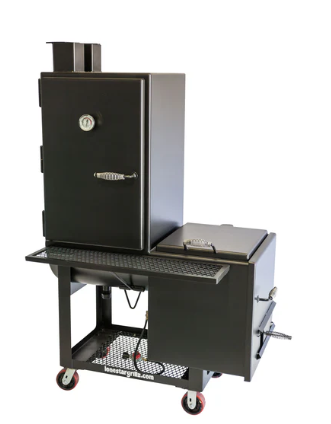
What Even Is An Offset Smoker, And Why Bother
An offset smoker is basically two chambers — a firebox off to the side, and a main cooking chamber where your meat sits. Heat and smoke travel from the fire, through the cook chamber, and out a stack on the far end. Simple concept. Hard to master. That’s kind of the beauty of it, honestly.
Pellet smokers and electric units will get you decent food with way less babysitting. But if you’ve ever tasted meat that spent twelve hours breathing real wood smoke from an actual fire, you know there’s a difference. It’s not subtle either. It’s smoky in a way that coats the back of your throat a little, in the good way.
That’s why people chase down the best offset smokers instead of just grabbing whatever’s at the hardware store. The tradeoff is real — you’re signing up for more work, more attention, more troubleshooting. But the payoff is real too.
Cheap Smokers Will Teach You The Wrong Lessons
Here’s the thing nobody warns you about. A lot of entry-level offset smokers — thin steel, bad seals, gaps around the firebox door you could slide a business card through — will make you think YOU’RE the problem. You’ll fight temperature swings for hours, wonder why your bark won’t set right, blame your technique.
Sometimes it’s not you. Sometimes it’s the pit.
Thin metal loses heat fast. Bad seals let smoke leak out where it shouldn’t and let cold air in where it shouldn’t. You end up chasing temps constantly instead of actually cooking. This is the number one reason people give up on offset smoking before they ever get good at it — they started on equipment that was working against them the whole time.
Thicker steel, tighter tolerances, a firebox built to actually hold and direct heat properly — that stuff matters more than people think when they’re shopping. It’s not about buying the fanciest name on the market. It’s about buying something that does what it’s supposed to do so you can focus on the fire, not the leaks.
Custom BBQ Pits: Worth It Or Just A Flex
Now here’s where it gets interesting. A lot of serious pitmasters end up wanting custom bbq pits instead of something off a shelf. And I get why — everybody’s setup is different. Some guys are cooking for competition, some are running a small catering side hustle, some just want a rig that fits their exact backyard and their exact cooking style.
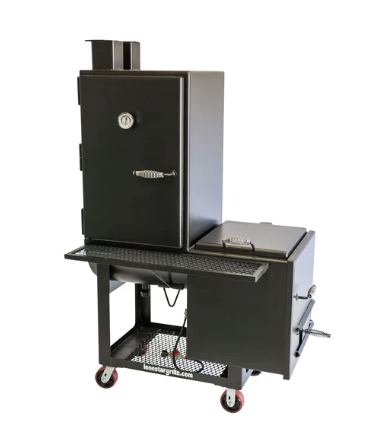
Custom bbq pits let you dial in things a stock unit can’t. Firebox size relative to cook chamber. Where the stack sits. Whether you want a warming box, a second chamber, trailer-mounted for events, or something that just sits pretty in your backyard and does one thing really well. You’re not stuck with someone else’s compromise.
Is it worth the extra cost over a mass-produced smoker? Depends who’s asking. If you cook twice a year, probably not, save your money. But if smoking meat is becoming a real hobby — or a real business — a custom-built pit built to your specs, with proper steel thickness and airflow design, pays for itself in consistency alone. You stop fighting the equipment and start actually refining your cook.
Things I Wish Someone Told Me Before I Bought Mine
Steel thickness matters more than paint color, obviously, but people still get seduced by looks. A 1/4 inch firebox holds heat completely different than a 3/16 inch one. You’ll feel it during a long cook when the wind picks up and your temp barely budges instead of dropping 40 degrees.
Also — and this one’s boring but true — where you’re going to store and use the thing matters. A massive rig looks great in pictures but if you don’t have room to work around it comfortably, you’ll dread using it. I know a guy who bought a smoker so big he had to back his truck up just to load wood into the firebox. Not ideal.
And don’t sleep on the little details. Good wheels if it’s meant to move. A shelf at the right height so you’re not bending over for six hours straight. A thermometer placement that actually reflects grate temp, not just chamber air near the stack. These aren’t flashy features but they’re the difference between loving your smoker and just tolerating it.
Building Real Barbecue Skill Takes The Right Tool
At the end of the day, no smoker cooks the meat for you. You still gotta manage your fire, learn your wood, understand how your specific pit behaves in different weather. But starting with equipment that’s actually built right — whether that’s one of the best offset smokers on the market or a custom bbq pit built exactly for how you cook — takes half the fight out of it. You get to focus on technique instead of constantly fighting bad design.
If you’re serious about this, and you’re tired of guessing whether your equipment is helping or hurting you, it might be time to look at something built properly from the ground up. Head over to and check out what real, heavy-gauge offset smokers and custom bbq pits actually look like when they’re built by people who cook on this stuff themselves.
FAQs
1. What makes an offset smoker different from a regular grill or pellet smoker? An offset smoker uses a separate firebox to burn actual wood or charcoal, and the heat and smoke travel into a main cooking chamber before exiting through a stack. That indirect setup is what gives you real wood-fired flavor, versus the more controlled (and honestly milder) results you get from pellet or electric units.
2. How thick should the steel be on a good offset smoker? Most serious builds run somewhere around 1/4 inch steel for the firebox, sometimes a bit less on the cook chamber. Thinner steel loses heat fast and makes temperature control way harder, especially in cold or windy weather. It’s one of the biggest factors separating a smoker that fights you from one that just works.
3. Are custom bbq pits actually better than store-bought smokers? Not automatically better, but they’re built to your specific needs — cooking volume, mobility, layout, features. If you cook often or you’re running a business off it, a custom pit built with proper materials usually gives you more consistent results long term than a generic off-the-shelf unit.
4. How long does it take to learn to use an offset smoker properly? Honestly, longer than most people expect. A few cooks in, you’ll start understanding your fire. A few months in, you’ll start predicting how your pit behaves in different weather. It’s a skill that builds over time, and starting with well-built equipment just makes that learning curve a lot less painful.