
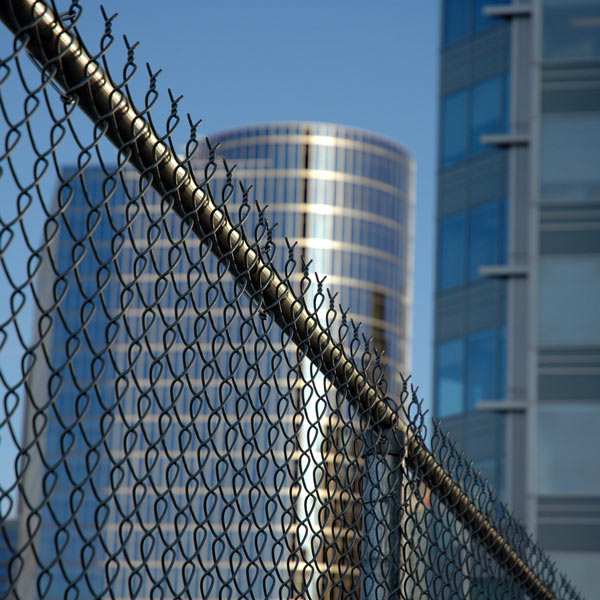
Before you look at a single sample board or brochure, sit down and figure out why you want the fence. Sounds obvious, I know. But I’ve watched people spend four grand on a gorgeous horizontal cedar setup when all they really needed was to keep a dog in the yard. Privacy, security, pool safety, curb appeal, noise, keeping the neighbor’s kid’s soccer ball out of your tomatoes. Every one of those pushes you toward a different answer. A modern fencing system isn’t just posts and pickets anymore, it’s a mix of materials, hardware, access control and sometimes even cameras tied into the gate. So you gotta know the job first. Write it down if you have to. Which side of the property gets the most eyes? Where do deliveries come in? Do you have kids, pets, a boat, a trailer, a work truck? The answers shape everything after this, height, material, gate width, whether you even want automation. Skip this step and you end up paying twice. Trust me on that one, it happens all the time.
Materials That Survive Houston, Not Just Look Good in a Showroom
Houston is rough on fences. Heat, humidity, sudden storms, and that clay soil that swells and shrinks like it’s got a mind of its own. Wood looks great on day one, and cedar holds up better than pine, but you’re still looking at staining every couple years if you want it to last. Vinyl doesn’t rot and doesn’t need paint, though it can get brittle in serious heat and the cheap stuff yellows fast. Aluminum is a favorite for ornamental fencing, it won’t rust, and it looks clean around pools. Steel is stronger, heavier, better for real security, but it needs a solid powder coat or you’ll see rust creeping in with all that moisture in the air. Composite costs more and asks less of you. Chain link, honestly, still has a place, especially on big lots and commercial yards.
Here’s my blunt take. Don’t buy on looks alone. Ask what the material does after five summers, not five minutes. A decent fence contractor will tell you the downsides of each option, and if somebody only sells you the upsides, that’s a flag. Match the material to how much upkeep you’ll actually do, not how much you promise yourself you’ll do.
Why Ground Conditions Matter More Than People Think
Nobody wants to talk about dirt. But dirt is where fences fail. Around Houston you’ve got expansive clay, low spots that hold water, and areas that flood when it rains hard enough. Posts set too shallow or with skimpy concrete will lean, and once a fence starts leaning it rarely stops. Ask how deep the posts go, whether they’re using proper concrete footings, and how they plan to handle slopes and drainage. Water needs somewhere to go, so on some properties you’ll want gaps or panels that step down the grade instead of one flat run that dams everything up. Wind matters too. We get storms, sometimes big ones, and a solid six-foot privacy fence acts like a sail. Some systems handle that better than others, and some need engineered post spacing. Also, and I can’t stress this enough, know where your property line actually is. Get a survey if you’re not sure. Call 811 before anybody digs so you don’t hit a gas or electric line. A fence built a foot onto the neighbor’s land is a headache you’ll be dealing with for years.
Gate Automation: Nice Upgrade or Real Need?
Some folks think automatic gates are just a luxury thing. Sometimes yes, sometimes no. If you’ve got a long driveway, a busy street, or you’re getting in and out of the truck a dozen times a day, having the gate open itself is honestly a game changer. Same for security. A gate that closes behind you every single time beats one you forget about half the time. The big choice is swing or sliding. Swing gates need room to open, and they don’t love slopes. Sliding gates need space along the fence line but they handle tight driveways better. Then there’s the operator, which is the motor and brain of the whole setup. Look for battery backup, because Houston loses power, and you don’t want to be stuck outside your own house. Safety sensors matter a lot too, since a heavy gate moving on its own can hurt someone or damage a car. Keypads, remotes, phone apps, intercoms, they’re all options.
This is where a company like Precision Fence & Automated Gates earns its keep, because the fence and the gate operator have to be planned together from the start, not bolted on later as an afterthought.
Height, Style and the HOA Headache
Here’s where a lot of projects get slowed down. You pick your dream fence, get excited, and then your HOA says no. Or the deed restrictions limit height, color, or how far forward you can build toward the street. Rules change from neighborhood to neighborhood, and from city to city around the greater Houston area, so don’t assume anything. Read your deed restrictions. Talk to the HOA early and get approval in writing if you need it. Corner lots have visibility rules that can limit what you put near the street, and front yard fences are often held to lower heights than backyard ones. Permits can also come into play, especially with electrical work for gate operators or with commercial properties. Ask your installer what they handle and what’s on you. Good contractors know the local rules and won’t shrug it off. Style-wise, modern usually means cleaner lines, horizontal slats, mixed materials, black or dark finishes, fewer fussy details. It looks sharp but keep it practical. A stylish fence that violates your HOA rules is just an expensive lesson.
What Precision Actually Looks Like on a Job Site
Everybody says they’re precise. Not everybody is. You can see the difference from the street. Straight lines, consistent post spacing, panels that sit level, gaps that match all the way down the run. On a good job the gate swings or slides smooth and latches without you lifting or slamming it. On a bad job, it sags in three months and drags on the concrete. With automation the margin for error shrinks even more, since a gate that’s slightly out of alignment will wear out the motor, trip the sensors, and just generally act up. That’s why a precision fence & automated gates approach matters, the measuring, the layout, the hardware selection, and the installation all have to line up. Ask to see finished work. Not just photos, real ones, in person if you can swing it. Look at the gate hinges, the welds, the finish on the posts, how the fence meets the house or a corner. Details tell you everything. And if a crew rushes through a layout with a tape measure and a shrug, well, you’ve learned something before they’ve poured any concrete.
How to Pick a Fence Company in Houston TX Without Getting Burned
Finding a fence company in Houston TX is easy. Finding a good one, that’s the work. Start with local experience, since Houston conditions are different from, say, Dallas or Austin. Ask for references and actually call them. Check reviews but read the bad ones too, because how a company responds to problems tells you a lot. Get proof of insurance, and I mean actual paperwork. Get at least three written estimates, and make sure they’re comparing the same thing, same material, same height, same footings, same gate hardware. The lowest bid usually left something out. Ask about warranty, and what’s covered exactly, labor or just materials. Find out who’s doing the work, their own crew or subcontractors, and who shows up if something goes wrong after. If you’re adding a gate operator, ask specifically about their automation experience and whether they can service it later. Not every fence contractor handles gate electronics well. Communication counts too. If they’re slow to call back before you’ve paid them, it won’t get better after. Timelines, deposits, payment schedules, get it all on paper before the first post goes in.
Budget, Maintenance and the Long Game
Let’s talk money, since everybody’s thinking about it anyway. Costs swing a lot depending on material, height, length, terrain, and how many gates you need. Wood is often cheaper upfront but costs more over time in upkeep. Aluminum and steel usually cost more at the start but can go decades with little more than a wash and touch-up. Automatic gates add a good chunk, and the operator, sensors, wiring and installation all affect the final price. Ask for a line-item quote so you can see where the money goes. Then think past the install day. What will maintenance cost you in five years? Ten? Will you need to re-stain, repaint, tighten hardware, replace batteries or service the operator? A cheap fence that needs replacing early isn’t cheap. And a well-built system can actually add value to a property, especially with good curb appeal and real security. Set a budget, sure, but leave some breathing room for surprises like hidden roots, old concrete, or a buried pipe nobody knew about.
Conclusion
Picking a modern fencing system isn’t about grabbing the flashiest option or the lowest number. It’s about knowing what you need, picking materials that can handle Houston weather, respecting the ground you’re building on, and planning gates and automation early instead of as an afterthought. Check the HOA rules, check your property lines, and be picky about who does the work. A reliable fence company in Houston TX will answer the tough questions honestly, show you real work, and put everything in writing. And if you want the fence and the gate to work together from day one, talk to a team that does both, like Precision Fence & Automated Gates. Do the homework now. Your future self will thank you.
Frequently Asked Questions
What is the best fence material for Houston weather?
There’s no single winner. Aluminum and vinyl handle humidity well, cedar is solid if you’ll keep up with staining, and steel is great for security when it’s properly coated. Think about upkeep and budget as much as looks.
How much does an automatic gate cost to install?
It depends on gate size, type, operator brand, wiring needs and the driveway itself. Sliding and heavy swing gates usually cost more than light ones. Get a line-item estimate from a fence company in Houston TX so you can compare things fairly.
Do I need a permit to build a fence or install an automated gate?
Sometimes. Rules vary by city, neighborhood and property type, and electrical work for gate operators can trigger permit requirements. Check your deed restrictions and HOA, then ask your installer what they handle.
Is it better to install the fence and the gate automation together?
Usually, yes. Planning them together means the posts, gate width, power supply and sensors are all set up right the first time. Adding automation later can get messy, and sometimes costs more.
How long does a fence installation take?
A typical residential job can take a few days to a couple weeks, depending on material, weather, permits, lead times on hardware and how big the property is. Custom gates and automation can stretch that a bit, so ask for a timeline in writing.