
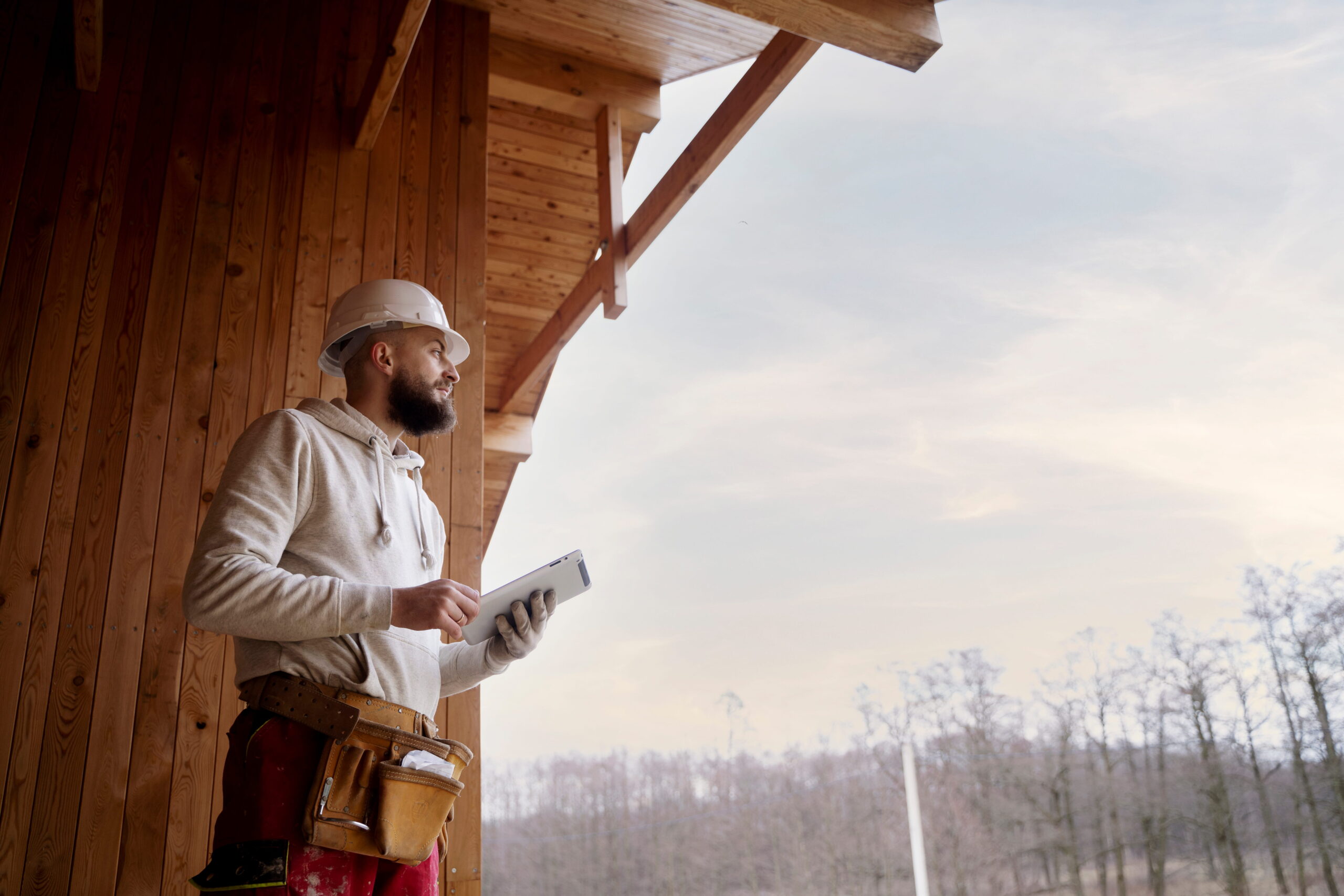
Buying a tiny home for sale can look wonderfully simple from the outside. You see a compact house, a clever kitchen, a comfortable sleeping area, maybe a porch, and suddenly the idea of downsizing feels pretty appealing. But before handing over money, there are a few things worth thinking through. tiny home for sale is not just about owning fewer square feet. It changes how you use space, store things, park or place the home, and even how you think about everyday routines.
Some people want a permanent residence. Others are looking for a guest house, vacation space, rental unit, or a home they can move occasionally. Those are very different needs. The first mistake buyers make is shopping for a design before deciding what the home actually needs to do. That sounds backward, but it happens all the time. Start with your lifestyle. How many people will live there? Do you need a full kitchen? Is a downstairs bedroom important? Will you work from home? What about pets? A tiny house can be surprisingly comfortable when the design matches the person living in it. When it doesn’t, even a beautiful build can become frustrating fast.
Understand The Rules Before Choosing A Property
This is where things get a little less exciting, but it’s probably the most important part of the whole process. Tiny house regulations can vary significantly depending on the city, county, zoning district, and type of tiny home you are considering. A home that is perfectly acceptable in one location may not be allowed in another. That’s why buyers shouldn’t assume that a tiny house can simply be delivered to any piece of land and connected to utilities.
Local zoning rules may address minimum dwelling sizes, setbacks, foundation requirements, parking, occupancy, utilities, and where certain types of small homes can be placed. There can also be a difference between a tiny house built on a permanent foundation and one constructed on a trailer-style chassis. They may fall under different classifications and building standards. This is one reason researching local requirements should happen before purchasing land or ordering a home. Talk with the local planning or building department and ask direct questions. Don’t rely only on a seller’s description or something you read in a social media group. Rules change, and online advice can be outdated. Spending an afternoon confirming requirements is much cheaper than discovering later that your new home cannot legally be placed where you planned.
Decide Between A Permanent Home And A Movable Design
Not every tiny home is designed for the same purpose. Some are built as permanent dwellings, while others are designed to be transported. That distinction matters more than many first-time buyers realize. If you’re looking at a small home on wheels, you may have more flexibility in how the structure is transported, but that doesn’t automatically mean you can live in it anywhere. Transportation, parking, registration, utility connections, insurance, and local land-use rules can all become part of the equation.
A permanent tiny home, meanwhile, may feel more like a traditional house because it is placed on a foundation and connected to standard utilities. But it may also be subject to residential building codes, zoning restrictions, and minimum-size requirements. Neither approach is automatically better. It depends on your goal. Someone wanting a long-term primary residence may prefer a permanent setup. Someone interested in mobility might look at a towable design. The key is knowing the difference before you shop. Otherwise, it’s easy to fall in love with a floor plan that doesn’t fit the property or legal situation you’ve chosen. That’s an expensive way to learn a basic lesson.
Pay Attention To Layout More Than Square Footage
Tiny homes force you to stop thinking about size in the usual way. A 400-square-foot home can feel much larger than expected when the layout is smart. A badly planned 600-square-foot home can feel cramped almost immediately. So don’t judge a tiny home just by its advertised dimensions. Look at how the rooms connect and how you will move through the space. Storage is a big deal. Where will coats go? Where will cleaning supplies live? What happens to your shoes? What about food, cookware, towels, seasonal clothes, and all those random things nobody thinks about until they need somewhere to put them? Good tiny house design answers those questions without making the interior feel like a storage locker. Ceiling height, windows, natural light, built-in furniture, foldable tables, and multipurpose rooms can all make a difference. Kitchens deserve special attention too.
A smaller kitchen can work perfectly well, but only if the counter space, appliances, cabinets, and workflow make sense. The same goes for bathrooms. Buyers sometimes get distracted by attractive finishes and overlook practical details. Don’t. A pretty backsplash won’t help much if there’s nowhere to put your laundry basket.
Think About Utilities And Everyday Infrastructure
A tiny home still needs the basics. Water, electricity, sewage, heating, cooling, internet, and waste management don’t disappear just because the building is small. In some cases, a smaller home can reduce utility consumption, but the actual setup depends heavily on the property and local infrastructure. If you’re placing the home on land that isn’t already developed, utility costs can become a surprisingly large part of the budget.
Connecting to public water or sewer may involve fees and site work. Rural properties can require wells or septic systems, each with their own requirements. Electricity can be straightforward on a developed lot and much more complicated somewhere remote. Heating and cooling deserve attention too. A compact space can warm up or cool down quickly, but insulation and ventilation still matter. Then there’s internet. It sounds minor until you’re working from home and discover the property has unreliable service. Before buying, consider the complete site, not just the structure. A low-priced tiny home isn’t necessarily inexpensive if preparing the land costs nearly as much as the house. The building and the property have to work together.
Build A Budget That Includes More Than The Home
One of the biggest misconceptions about tiny living is that small automatically means cheap. Sometimes it does lower costs. Sometimes it doesn’t. The purchase price is only one part of the financial picture. Buyers may also need to budget for land, site preparation, transportation, permits, utility connections, foundation work, appliances, furnishings, insurance, taxes, and ongoing maintenance. Even basic improvements can add up. If the property needs grading, driveway work, electrical service, water infrastructure, or septic installation, the numbers can change quickly.
This doesn’t mean buying a small home is a bad financial move. Far from it. It simply means the budget needs to be realistic. Ask the builder what is included and, just as importantly, what isn’t included. Is delivery part of the quoted price? Are appliances included? What about stairs, decks, hookups, or foundation work? If you’re comparing several homes, make sure you’re comparing similar packages. A cheaper base price isn’t necessarily the better deal if half the things you need are sold separately. It’s better to know the full number early. Surprises are fun on birthdays. Not during a construction project.
Choose A Builder With Questions, Not Just Excitement
Finding a tiny house builder can be exciting because the designs are often more interesting than traditional housing. But don’t let a good-looking website do all the convincing. A builder should be able to explain construction methods, materials, timelines, warranties, transportation, customization, and applicable standards in plain language. If every question gets a vague answer, pay attention to that. Ask about insulation because energy efficiency matters in a small structure.
Ask about plumbing and electrical systems. Ask how the home is designed for the climate where you plan to place it. If you’re buying a movable unit, ask about its dimensions, weight, towing requirements, and transportation process. If you’re purchasing a permanent home, ask how the design is intended to meet local building requirements. It can also help to see completed projects, when possible. Photos are useful, but real examples tell you much more about workmanship. And don’t be afraid to slow down the purchase. There is often pressure to make a quick decision when a particular model or sale catches your attention. Unless there’s a genuine deadline, take a breath. A tiny home is still a major purchase. You want something that works after the excitement wears off.
Make The Home Work For Your Future Too
The best tiny home isn’t necessarily the smallest one you can afford. It’s the one that continues to work as your life changes. Maybe you’re single now but expect a partner to move in. Maybe you work remotely today and could need a dedicated office later. Maybe you’re buying the property as a weekend retreat but eventually want to use it as a full-time residence. These possibilities should influence the design. Flexibility matters in a small space because there isn’t much room for mistakes. A multipurpose room can become an office, bedroom, hobby area, or guest space.
Extra storage can make seasonal changes easier. Accessible entrances and fewer difficult stairs may become more important over time. You don’t need to predict your entire future. Nobody can. But thinking five or ten years ahead can prevent a lot of regret. Resale value is worth considering too. A highly unusual custom design may be perfect for you and difficult to sell later. A practical layout, quality construction, and clear documentation can make a property more attractive to future buyers. Tiny living works best when the home is small in size but not small in usefulness.
Conclusion: Small Living Works Better When You Plan Properly
A tiny home can offer a simpler lifestyle, lower space requirements, and a different way of approaching homeownership. But it isn’t a shortcut around planning.
Before buying a tiny home for sale, understand where it can legally go, how it will be classified, what the land requires, and what your total costs will actually look like. Pay attention to layout, storage, utilities, construction quality, and long-term needs. Most importantly, research tiny house regulations before making a major commitment. The rules are not the same everywhere, and assuming they are is asking for trouble. Take your time, ask uncomfortable questions, and look beyond the pretty photos. A well-designed tiny house can be a genuinely practical home. A poorly researched purchase can become a very expensive little box. The difference usually comes down to preparation.
FAQs
What should I check before buying a tiny home?
Check local zoning, building requirements, utility availability, property restrictions, transportation needs, and the home’s construction specifications. Also calculate the complete cost rather than relying only on the advertised purchase price.
Do tiny house regulations apply everywhere?
Yes, but the specific requirements can differ by location. Cities, counties, and other local authorities may have different zoning, building, occupancy, placement, and utility requirements. Always confirm the current rules with the relevant local authority.
Can I put a tiny house on any property?
Not necessarily. A property may have zoning, setback, foundation, utility, or minimum-dwelling requirements that affect whether a tiny home can be placed there. Land ownership by itself does not guarantee permission to use the property for a particular type of dwelling.
Is a tiny home on wheels different from a permanent tiny house?
Usually, yes. A tiny home built on a trailer-style chassis can be subject to different standards and regulations than a dwelling constructed on a permanent foundation. Classification depends on the jurisdiction and the specific structure.
What makes a tiny home comfortable?
A smart floor plan, sufficient storage, natural light, good insulation, practical kitchen and bathroom design, and flexible living areas can make a major difference. Square footage matters, but layout often matters more.
Is buying a small home always cheaper?
No. The structure itself may cost less than a conventional home, but land, site preparation, transportation, utilities, permits, foundations, and other expenses can add substantially to the final cost.
How can I choose the right tiny home builder?
Look for a builder that can clearly explain construction quality, materials, warranties, delivery, customization, and applicable standards. Ask to see completed work and get a detailed understanding of what is and isn’t included in the quoted price.