
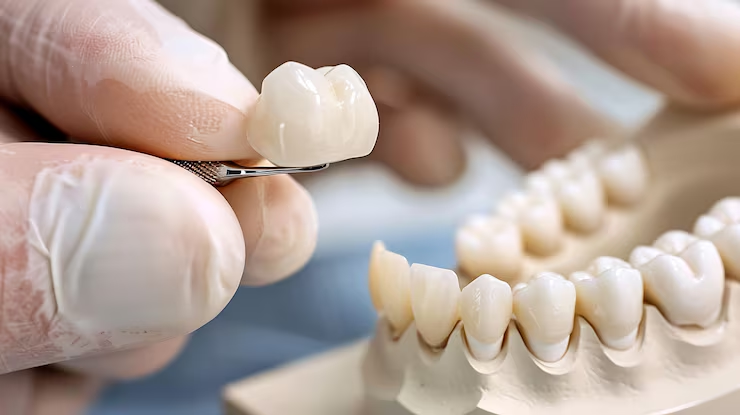
Hearing you need a crown can feel like a bigger deal than it actually is, mostly because people don’t know what the process really involves. Dental crowns in Simi Valley are honestly one of the more common procedures out there, they fix a lot more than people realize, cracked teeth, big cavities that a filling can’t handle anymore, teeth that are weak after a root canal. But if nobody’s walked you through what actually happens step by step, it’s easy to just assume the worst. So let’s go through it properly, no vague explanations, just what’s actually going to happen in that chair.
Why a Crown Gets Recommended in the First Place
Crowns aren’t the first option a dentist reaches for, they’re usually recommended when a filling just isn’t enough anymore. If a tooth has a large cavity, a crack that’s spreading, or it’s already been weakened by a root canal, a crown basically caps the whole thing and protects it from breaking further. Sometimes it’s cosmetic too, covering a discolored or oddly shaped tooth, but most of the time it’s structural. A dentist offering dentistry in Simi Valley will usually explain exactly why a filling won’t hold up before jumping to a crown, since it is a bigger commitment than a simple filling.
The First Visit Is Mostly Prep Work
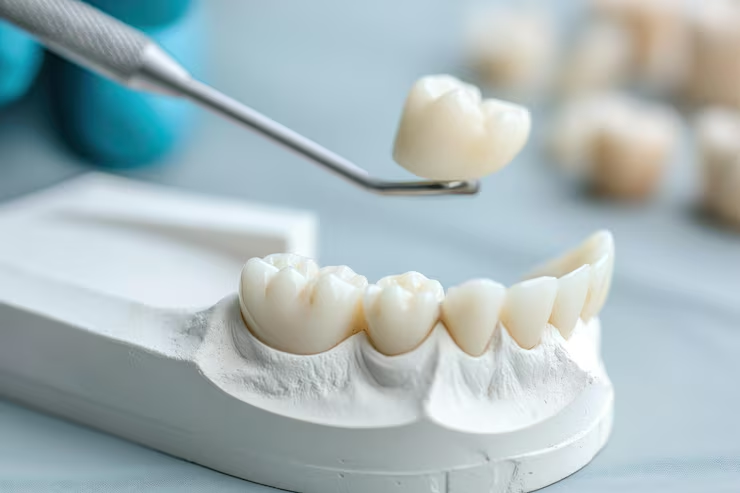
At your first appointment, the dentist numbs the area, then reshapes the tooth to make room for the crown to fit over it properly. This means removing a layer of the outer tooth, sometimes more if there’s decay that needs clearing out first. Once the tooth’s shaped, they’ll take an impression, either the old-school putty mold or a digital scan depending on the office, which gets sent off to a lab to build your custom crown. Since that takes time, you’ll usually leave with a temporary crown covering the tooth until the real one’s ready, typically a week or two later.
Living With a Temporary Crown for a Bit
Temporary crowns aren’t as sturdy as the real thing, so this stage comes with a few rules. Avoid sticky or hard foods on that side of your mouth, caramel, ice, anything that could pull the temporary loose or crack it. Some sensitivity to hot and cold is normal too during this window, the tooth’s still a little exposed underneath. If the temporary does come off before your next appointment, don’t panic, just call the office, most places can get you back in quickly to reseat it or make a new one if needed.
The Second Visit Is Where the Real Crown Goes In
Once your permanent crown comes back from the lab, you’ll head back in for the actual placement. The dentist removes the temporary, checks that the new crown fits properly, matches your bite correctly, and looks right next to your other teeth. Adjustments happen right there if something’s slightly off, filing down a spot that feels too high, that sort of thing. Once everything checks out, it gets cemented into place permanently. This visit’s usually quicker than the first one since most of the work already happened at the lab.
Material Choices Actually Make a Difference
Not all crowns are made the same way, and the material matters more than people think going in. Porcelain crowns look the most natural and are popular for front teeth since they blend in well with your other teeth. Metal crowns, like gold alloy, are incredibly durable and hold up well for back molars where looks matter less than strength. Porcelain fused to metal tries to split the difference, decent looks with more durability than pure porcelain. A good dentist in Simi Valley offering dental crowns should walk you through which material actually fits your specific tooth and situation, rather than just defaulting to whatever’s most common.
What Recovery Actually Feels Like Afterward
Recovery from a crown procedure is usually pretty mild compared to other dental work. Some soreness around the gum line for a day or two is normal, especially if any gum tissue was adjusted during the process. Sensitivity to temperature can linger a bit longer, sometimes a week or so, before it settles down completely. If you’re noticing sharp pain when biting down, or the crown feels off in any way, that’s worth calling about rather than waiting it out, sometimes a small adjustment fixes it quickly.

How Long a Crown Actually Lasts
People often ask this before even getting the procedure done, and it’s a fair question given the cost involved. Crowns typically last somewhere between ten and fifteen years, sometimes longer with good care, sometimes less if you grind your teeth or don’t keep up with regular checkups. Brushing and flossing around a crown matters just as much as with natural teeth, the crown itself won’t get a cavity, but the tooth underneath and the gum around it absolutely can if you slack off on care.
Finding the Right Dentist for the Job
The skill behind the procedure matters just as much as the material chosen, sometimes more. A dentist experienced in dental crowns in Simi Valley will get the fit right the first time, minimizing adjustments and making the whole process smoother. Ask how many crowns they place regularly, and don’t be shy about asking what materials they typically recommend and why. A rushed or poorly fitted crown can cause bite issues down the line, so this isn’t a place to just go with whoever’s closest or cheapest without checking their actual experience first.