
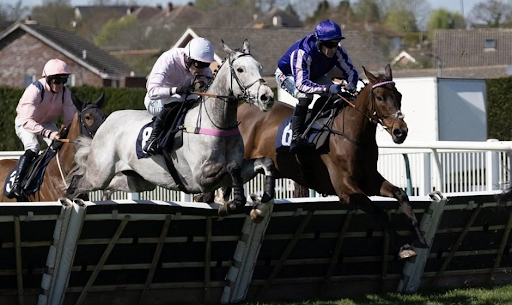
Horse racing has long been associated with tradition, strategy, and competitive sporting culture in India. Among the major racing centres in the country, the horse race in Chennai continues to attract attention from racing enthusiasts, breeders, trainers, and spectators due to its historic racing environment and active turf club scene. The city remains an important part of Indian horse racing, hosting competitive race meetings that showcase thoroughbred breeding, jockey skill, and professional race management.
Horse racing in Chennai is closely linked with the Madras Race Club, one of the oldest racing institutions in India. The city’s racing culture has evolved over decades, becoming a recognised platform for both established and emerging thoroughbred horses. Seasonal race meetings regularly feature handicaps, trophies, and championship races that bring together horses from different training centres across the country.
The Structure of Horse Racing in Chennai
Horse racing in Chennai follows a structured format regulated by turf authorities and racing clubs. Thoroughbred horses compete across different race categories depending on factors such as age, class rating, and racing performance.
Each race involves multiple professionals, including trainers, jockeys, breeders, and veterinarians, all contributing to the horse’s preparation and performance. Races are conducted over varying distances, with track conditions and handicapping systems influencing outcomes.
Race cards published before each event provide detailed information about participating horses, trainers, jockeys, previous performances, and race conditions.
Importance of Thoroughbred Breeding in Indian Racing
Breeding plays a central role in the success of Indian horse racing. A horse’s pedigree significantly influences stamina, speed, adaptability, and racing potential. Stud farms across India are responsible for breeding and raising Thoroughbred racehorses that later compete in major racing circuits, including those in Chennai.
The quality of breeding often influences how horses perform across different race distances and track conditions. Bloodlines from international sires are commonly integrated into Indian breeding programs to improve racing standards and maintain competitive pedigrees.
Role of Stud Farms in Racing Success
Stud farms are essential to the overall horse racing ecosystem because they manage breeding, foaling, and early development of horses. Thoroughbred breeding requires careful selection of stallions and mares based on genetics, race records, and lineage performance.
Indian stud farms increasingly use international bloodlines to enhance the quality of domestic racing. The contribution of stud farms extends beyond breeding alone. Proper nutrition, veterinary care, conditioning, and training preparation during early development are all critical factors in producing race-ready thoroughbreds.
Growing Digital Interest in Horse Racing
The popularity of horse racing has also expanded online through racing databases, race analysis platforms, and performance tracking websites. Enthusiasts now use digital platforms to access horse profiles, race statistics, track conditions, and historical performance records.
Websites such as RaceBuzz provide race-related information, including horse profiles, trainer details, and race results from different turf clubs. This accessibility has helped newer audiences engage with the sport more easily while allowing experienced followers to analyze racing trends in greater detail.
Online access to race data has also improved transparency and fan engagement, especially among younger audiences interested in sports analytics and competitive horse racing culture.
Competitive Racing Culture in Chennai
Chennai’s racing environment is known for its competitive race meetings featuring horses from leading trainers and breeding programs. Race events often include handicaps, sprint races, and middle-distance contests designed to test both speed and endurance.
Track conditions, jockey decisions, and race pacing all contribute to unpredictable outcomes, which is one reason horse racing continues to maintain strong spectator interest. The strategic aspect of the sport makes it appealing not only as entertainment but also as a technical and analytical sporting discipline.
The city’s racing tradition also contributes to the broader Indian turf ecosystem, where horses frequently compete across multiple racing centers throughout the season.
Conclusion
Horse racing remains an important part of India’s sporting and breeding culture, with Chennai continuing to hold a significant position in the national racing circuit. The development of thoroughbred breeding, structured race management, and digital racing platforms has further strengthened the sport’s popularity.As interest in horse racing continues to grow, the contributions of breeding organizations such as Manjri Stud Farm highlight the importance of pedigree development and professional horse management in maintaining the competitive standards of Indian horse racing.