
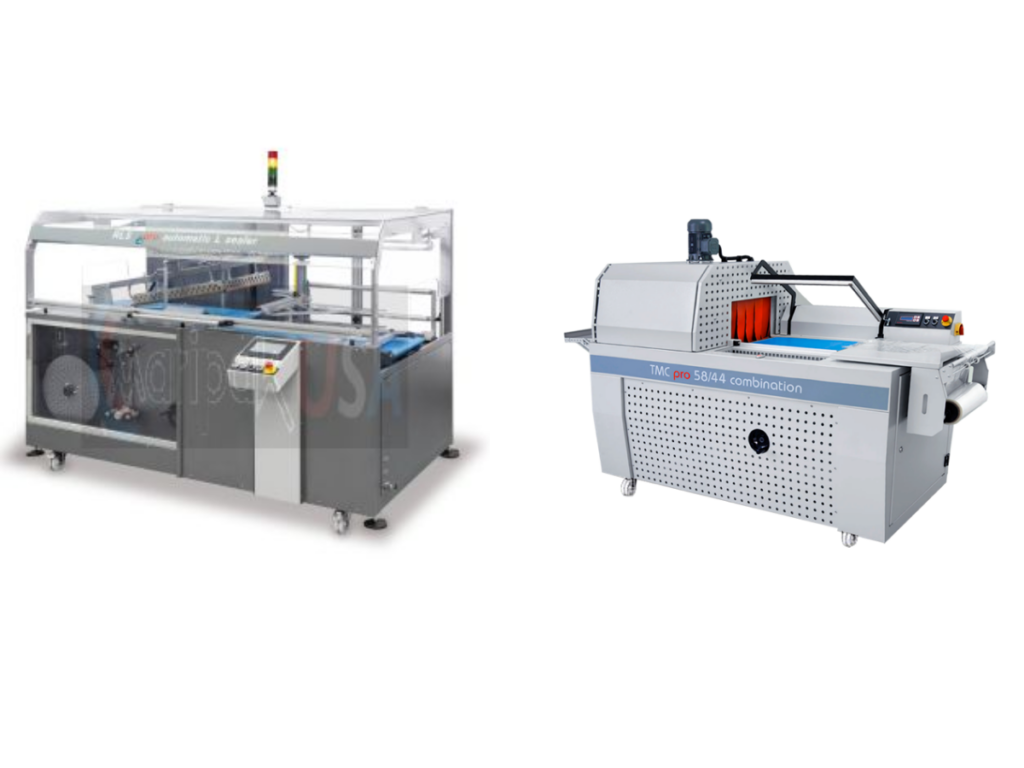
Packaging automation has evolved significantly over the past decade, with manufacturers seeking equipment that delivers consistent product protection, high throughput, and reliable sealing performance. Across industries such as food processing, pharmaceuticals, consumer goods, cosmetics, and industrial manufacturing, shrink packaging has become one of the most efficient methods for creating secure, tamper-evident packages while maintaining an attractive product presentation.
At the center of this packaging process is the heat shrink tunnel, a machine designed to apply controlled heat that uniformly shrinks packaging film around a product. A modern heat shrink tunnel combines precise airflow management, temperature control, and conveyor synchronization to produce consistent shrink results while minimizing energy consumption and packaging defects.
How a Heat Shrink Tunnel Works
A heat shrink tunnel uses carefully controlled heated air to shrink polymer film around packaged products after they have been sealed.
The basic operating sequence includes:
- Product sealing
- Film enclosure
- Conveyor transport
- Controlled heat exposure
- Film shrinkage
- Product cooling
During the heating cycle, the shrink film contracts uniformly around the product, creating a secure package that improves both protection and appearance.
Major Components of a Heat Shrink Tunnel
Modern shrink tunnels incorporate several engineered systems that work together to produce reliable packaging results.
These include:
- High-efficiency heating elements
- Air circulation fans
- Adjustable airflow ducts
- Conveyor systems
- Temperature controllers
- Insulated tunnel chambers
- Variable speed drives
- Digital control interfaces
Each component contributes to maintaining stable operating conditions throughout the packaging cycle.
Temperature Uniformity Is Critical
One of the most important performance characteristics of a heat shrink tunnel is its ability to maintain even temperature distribution.
Uneven heating may result in:
- Wrinkled packaging
- Burned film
- Loose shrink appearance
- Distorted product presentation
- Inconsistent package quality
Advanced airflow designs help distribute heat evenly throughout the chamber, allowing the shrink film to contract consistently regardless of product size or shape.
Airflow Design Improves Packaging Quality
Airflow engineering plays a major role in shrink packaging performance.
Modern systems often feature:
- Adjustable air velocity
- Multi-directional airflow
- Recirculated heated air
- Balanced heat distribution
- Product-specific airflow settings
Optimized airflow improves shrink quality while reducing energy waste and minimizing packaging defects during continuous production.
Conveyor Speed and Production Efficiency
Conveyor speed directly influences the amount of time products remain inside the heating chamber.
Operators typically adjust conveyor speed according to:
- Film thickness
- Product dimensions
- Package configuration
- Production volume
- Required shrink quality
Proper synchronization between conveyor speed and tunnel temperature allows manufacturers to achieve consistent packaging without overheating the shrink film.
Selecting the Appropriate Shrink Film
Different shrink films respond differently to heat exposure.
Common materials include:
- Polyolefin (POF)
- Polyethylene (PE)
- Polyvinyl chloride (PVC)
Film selection depends on factors such as:
- Product weight
- Package size
- Required durability
- Food-contact requirements
- Distribution conditions
Selecting the proper film helps maximize the performance of a heat shrink tunnel while improving finished package quality.
Improving Energy Efficiency
Modern packaging equipment increasingly focuses on reducing operational costs.
Energy-efficient shrink tunnels may include:
- High-performance insulation
- Variable-speed blowers
- Intelligent temperature controls
- Rapid heat recovery systems
- Optimized airflow circulation
These features help lower electricity consumption while maintaining stable packaging performance during extended production runs.
Applications Across Industries
A heat shrink tunnel is widely used across manufacturing sectors because it accommodates products of various sizes and shapes.
Typical applications include:
- Food packaging
- Beverage multipacks
- Pharmaceutical products
- Printed materials
- Consumer electronics
- Personal care items
- Household products
- Industrial components
Its versatility makes shrink packaging one of the most widely adopted packaging methods worldwide.
Future Trends in Heat Shrink Packaging
Automation continues to transform packaging operations through smart controls, digital monitoring, and improved energy management. Modern shrink tunnels increasingly integrate programmable control systems, predictive maintenance features, and advanced airflow technologies to improve consistency while reducing downtime. As production environments demand greater efficiency, future heat shrink systems are expected to deliver higher throughput, lower energy consumption, and enhanced process reliability.
Conclusion
Maripak USA showcases how advancements in shrink packaging technology continue to improve manufacturing efficiency and package consistency. A well-designed heat shrink tunnel combines precise temperature regulation, optimized airflow, reliable conveyor operation, and energy-efficient engineering to produce high-quality shrink packaging across a wide range of industries. As packaging automation evolves, investing in the right heat shrink tunnel technology remains an important factor in achieving consistent production performance, operational efficiency, and long-term packaging reliability.