
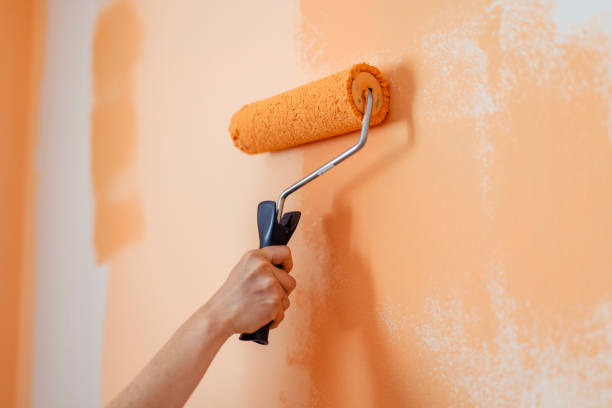
Epoxy can make a floor look incredible. Clean, glossy, tough as nails. But here’s the part people don’t talk about enough—how easy it is to mess up the finish. You think you did everything right, and then boom… streaks. Roller lines. Uneven sheen. That’s where the epoxy glide roller cover quietly earns its keep, not in some flashy way, just doing the job right when it matters. And yeah, if you’ve ever stood there staring at drying epoxy wondering where you went wrong, this is probably part of it.
What Actually Causes Streaks in Epoxy Coatings
Streaks don’t just happen randomly. Usually it’s a mix of bad timing, wrong pressure, and the roller itself fighting you. Epoxy is thicker than regular paint, levels differently, and starts setting up faster than you expect. If your roller drags instead of glides, it leaves marks. Simple as that. You might not notice it right away either. It shows up later when the light hits the floor just right, and suddenly every pass is visible. Frustrating. And most of the time, the issue isn’t your technique—it’s the tool.
Why Glide Matters More Than People Think
People hear “glide” and think it’s marketing fluff. It’s not. Glide is literally how smoothly the roller moves through the coating without pulling or skipping. A good epoxy glide roller cover keeps a consistent flow of material under it, so you’re not dragging dry fibers across a tacky surface. That’s where streaks come from, that dragging feeling. When the roller moves evenly, the epoxy has a chance to self-level the way it’s supposed to. No weird lines, no patchy gloss. Just a smooth finish. Sounds basic, but it’s the difference between a pro job and something that looks rushed.
The Roller Fabric Makes or Breaks It
This part gets overlooked a lot. Not all roller covers are built for epoxy. Some are too stiff. Others shed fibers or hold the material unevenly. You want a fabric that can carry epoxy but still release it consistently. That balance matters. If it dumps too much, you get heavy spots. If it holds too tight, you end up pressing harder, which leads to streaking again. It’s a bit of a cycle. The better covers are designed to stay loaded but still roll smooth. Less effort, better results. Pretty straightforward, but people still grab whatever’s on the shelf.
Nap Length and Its Role in a Smooth Finish
Nap length isn’t just about how much material the roller holds. It affects how the epoxy spreads and levels. Short naps tend to give a smoother finish, but only if the surface is already prepped well. Longer naps can handle rougher surfaces, but they increase the risk of texture and lines if you’re not careful. With epoxy, you usually want something balanced—not too fluffy, not too tight. Enough to carry the coating without creating drag. Pair that with proper glide, and you’re in a much better spot. Ignore it, and yeah, streak city.
Pressure and Technique Still Matter (But Less Than You Think)
Let’s be honest, technique matters. You can’t just roll randomly and expect magic. But here’s the thing—when you’re using the right roller, you don’t have to fight it. Light, even pressure works better than pushing hard. Overworking the epoxy is a common mistake. People keep going over the same spot trying to fix something that the coating would’ve leveled on its own. That’s how you make it worse. A smooth-gliding roller helps you trust the process a bit more. Lay it down, move on. Stop messing with it.
Why Cheap Rollers Usually Backfire
Saving a few bucks on roller covers sounds fine until you see the result. Cheap rollers tend to shed, drag, or wear out halfway through the job. And once they start breaking down, you’re basically spreading defects into the coating. Not ideal. A proper epoxy glide roller cover is built to handle the thickness and chemistry of epoxy. It doesn’t fall apart. It doesn’t fight you. You spend a little more upfront, sure, but you avoid rework. And redoing epoxy? That’s way more expensive than buying the right roller in the first place.
Where Smaller Rollers Fit Into the Picture
Now here’s something people overlook. Big rollers get most of the attention, but smaller ones have their place too. When you’re cutting in edges or working tight areas, control matters more than coverage. That’s where something like a 4 inch roller paint setup comes in handy. It lets you keep that same smooth glide in smaller sections without overloading the area. You’re not trying to flood the edges with epoxy. You’re just blending it cleanly so it matches the main field. Skip this step, and you’ll often see edge lines even if the rest of the floor looks good.
Conclusion
At the end of the day, streak-free epoxy isn’t about luck. It’s about using the right tools and not overcomplicating the process. The roller you choose plays a bigger role than most people expect. A solid epoxy glide roller cover keeps things moving the way they should—smooth, even, controlled. Add in decent technique and a bit of patience, and you avoid most of the common problems. No drama. No streaks. Just a clean finish that actually looks like you knew what you were doing, even if you were figuring it out as you went.