
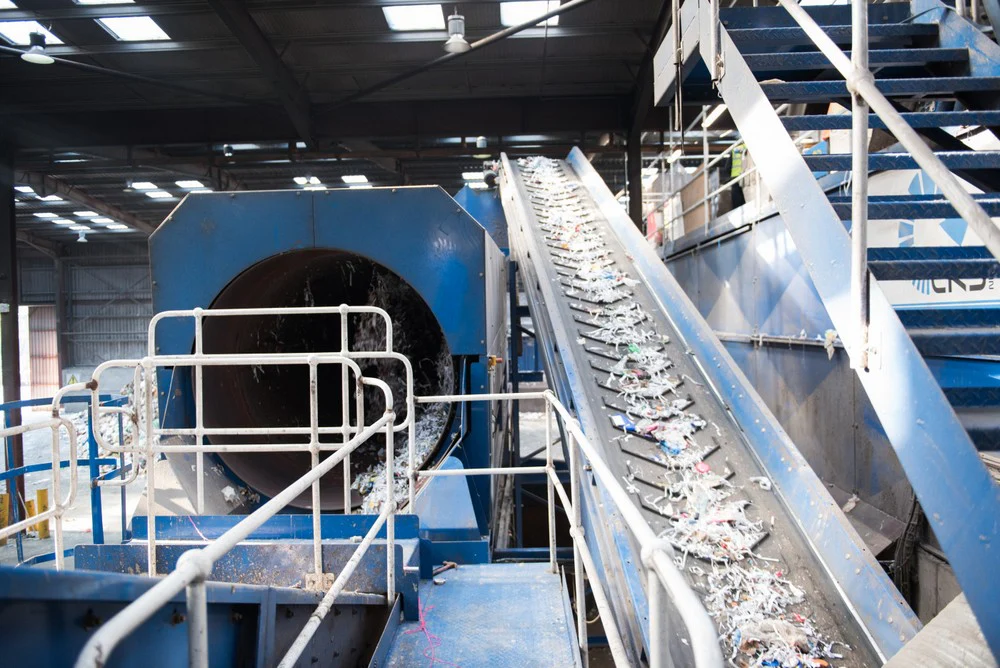
In industries such as construction, mining, waste management, and landscaping, efficient screening of soil and aggregates is essential. One of the most effective machines for this task is the trommel screen. Renowned for its robustness, versatility, and ability to handle a variety of materials, trommel screens play a critical role in ensuring that materials are sorted and sized accurately. Understanding how these machines work and why they are indispensable for soil and aggregate screening helps industry professionals make informed equipment decisions.
What Is a Trommel Screen?
A trommel screen is a cylindrical rotary screen that separates materials based on size. As the cylinder rotates, material fed into the trommel moves along the drum’s length. Smaller particles fall through the perforations in the screen, while larger pieces continue to the end of the drum for further processing or disposal. This simple yet effective screening mechanism allows for continuous operation and consistent output quality. Whether processing topsoil, compost, gravel, or construction debris, these screens provide reliable separation in both small and large-scale applications.
Advantages of Trommel Screens in Soil Screening
Soil screening is crucial for creating uniform soil that is free of debris, stones, and clumps. A trommel screen excels in this role due to several key advantages:
Efficient Separation
The circular motion and gravity‑assisted design of a trommel screen allow soil to be sifted efficiently. As soil travels through the rotating drum, finer particles pass through the screen while larger materials remain inside for further sorting. This ensures consistent particle size distribution and prepares soil for further use in landscaping, gardening, or construction.
High Throughput
Trommel screens can handle large volumes of material quickly, making them ideal for projects that require rapid processing. The continuous rotation and open design of the drum reduce the risk of clogging and enable steady operation, even with relatively moist or mixed soil.
Low Maintenance
Compared to other screening machines, trommel screens have fewer moving parts and straightforward mechanics. This often translates to lower maintenance requirements and reduced downtime. Regular inspection and routine cleaning can keep a trommel screen working efficiently over long periods.
Trommel Screens in Aggregate Processing
Aggregates such as gravel, crushed stone, and sand are fundamental components of concrete, asphalt, and road base materials. Screening aggregates ensures that they meet the necessary specifications for size and quality.
Sorting and Classification
In aggregate processing, a trommel screen helps sort materials into specific size ranges. As the material tumbles through the rotating drum, particles are separated based on diameter and deposited into designated output streams. This size classification is essential for producing consistent aggregate grades that meet engineering or regulatory standards.
Versatile Material Handling
Whether the material is dry, damp, or partially wet, a trommel screen can handle a variety of aggregate types. This makes the machine suitable for use in different environments and seasons, improving operational flexibility on job sites.
Improved Quality Control
Consistent screening yields uniform aggregate sizes, which contribute to stronger, more reliable construction materials. Properly screened aggregates ensure that concrete and asphalt mixtures achieve the desired strength, stability, and workability. This quality control aspect is essential for infrastructure projects where performance standards are critical.
Selecting the Right Trommel Screen
Key considerations for choosing the right trommel screen include:
- Drum Size and Length: Larger drums offer higher capacity and better separation for bigger projects.
- Screen Aperture: The size of the holes or slots in the screening surface determines what particle sizes are retained or passed through.
- Mobility and Portability: Some trommel screens are mounted on tracks or wheels, enabling easy relocation between job sites.
- Power Source: Options may include diesel engines or electric motors, depending on availability and job site access.
Conclusion
The trommel screen is essential in soil and aggregate screening, offering efficient separation, high throughput, and versatility. It ensures consistent size classification, supporting quality control in construction, landscaping, and industrial applications. Ideal for projects requiring reliable performance, trommel screens enhance operational efficiency and material quality. Innovations in recycling sorting systems and modern waste and material processing further emphasise the value of effective separation, making the trommel screen a key tool for both soil refinement and aggregate classification.