
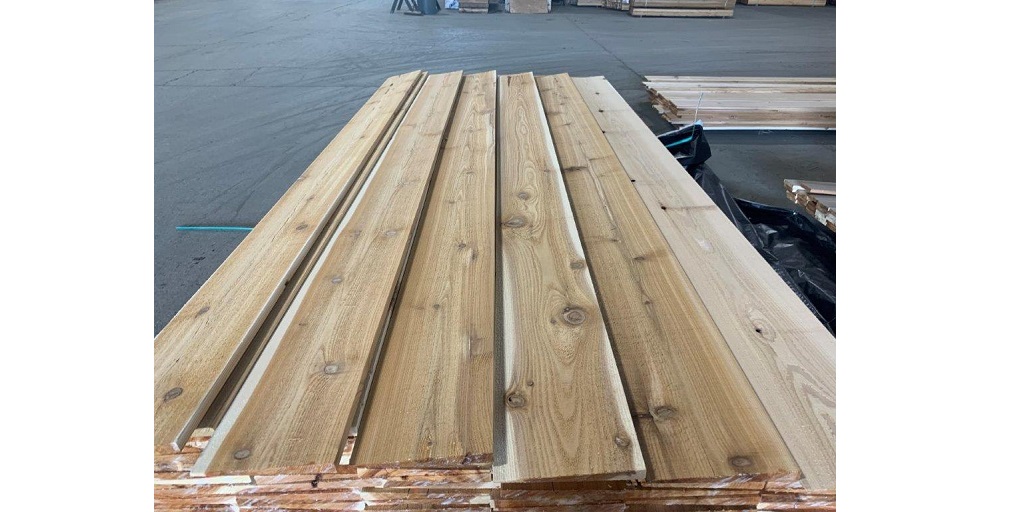
Choosing the right finish for cedar siding can feel confusing when you’re standing in the paint aisle with several cans that all promise protection. The simplest way to decide is to think about what you want the wood to look like, how much maintenance you’re willing to do, and how much weather exposure your home receives.
The biggest difference between finishes is how much of the wood they cover. A clear or lightly tinted sealer leaves most of the natural appearance visible. Stains offer different levels of coverage, while paint hides much of the original color and grain. Generally, more coverage means stronger protection from sunlight, although the final result also depends on preparation, application, and local weather conditions.
Start by Looking at Your Home
Before buying anything, walk around the house and pay attention to the conditions each wall faces. A wall that receives strong afternoon sunlight will put more stress on its finish than one protected by shade.
For homes that use a lot of natural materials, moisture is a factor. Areas beneath trees, close to damp ground, or near poorly ventilated spaces can be more vulnerable to mildew. Homes near the coast also have another concern: salty, humid air can be hard on exterior coatings. These details should influence your choice. Don’t automatically use the same maintenance schedule for every side of the house.
When a Transparent Stain Makes Sense
A translucent oil stain is a good choice if your main priority is showing off the wood. It adds color without completely hiding the natural pattern, knots, and variations that make cedar attractive.
The tradeoff is maintenance. Because relatively little coating is left on the surface, sunlight and weather can wear it down sooner. A sunny wall may need attention roughly every couple of years, while protected areas can go considerably longer.
For a first-time DIYer, this option looks beautiful but requires commitment. You’ll need to watch the surface rather than waiting until the finish has completely failed.
A Middle Ground: Semi-Transparent and Semi-Solid Stains
If you want some of the grain to remain visible without taking on quite as much maintenance, move toward a heavier-bodied stain. Semi-transparent products provide more UV protection while still allowing plenty of wood character to show.
Semi-solid stains go another step further. They cover more of the surface, so the grain becomes less noticeable, but they generally offer a longer maintenance interval. This can be a sensible compromise for someone who likes the appearance of natural wood but doesn’t want to refinish the house every few years.
When Paint or Solid Stain Is the Better Choice for Cedar Siding
Solid stains and exterior paints provide the most coverage. They’re worth considering when maximum durability and a more uniform appearance matter more than seeing the original cedar clearly. A solid stain can still give the surface a wood-like appearance while concealing much of the variation underneath. Paint goes further, creating an opaque finish with a wider range of color choices.
For DIY work, preparation becomes especially important. Clean the siding, allow it to dry properly, repair damaged areas, and follow the product manufacturer’s instructions for primer and coats. Rushing this stage can shorten the life of even a high-quality finish.
Don’t Treat Sealing as a One-Time Job
A sealer isn’t a permanent shield. Clear finishes can weather quickly when exposed to direct sunlight, and they need regular inspection. Look for fading, uneven color, peeling, cracking, or areas where water no longer behaves as expected on the surface.
Whatever product you choose, don’t paint or stain damp wood. Check the weather forecast, give the siding adequate drying time, and avoid applying a coating under conditions that are outside the product’s recommended temperature or humidity range.
The best finish is the one that fits both the house and your willingness to maintain it. With the right preparation and realistic expectations, your DIY cedar siding paint job can remain attractive and well-protected for years.
For More Information About Lumber Finger Lakes Ny and Composite Decking Please Visit: Empire Real Lumber.