
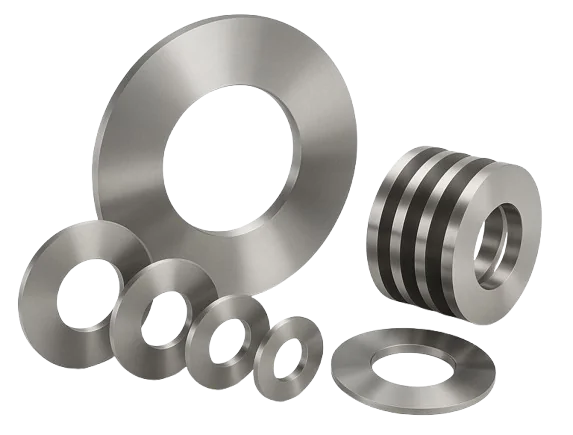
One of the machines that helps industries achieve both is the slitter machine. It is widely used for cutting large rolls of material into smaller, more manageable widths. To achieve clean and accurate cuts, the machine depends on sharp and durable slitter blades.
In this article, we will understand how a slitter machine works, where it is used, and why it is so important in different industries.
What Is a Slitter Machine?
A slitter machine is an industrial device used to cut wide rolls of material into narrower strips. These materials can include metal sheets, paper, plastic films, and foil. The machine ensures that the cutting is precise, smooth, and consistent.
At the heart of this machine are slitter blades, which do the actual cutting. These blades must be extremely sharp and durable to handle continuous production work.
How Does a Slitter Machine Work?
The working of a slitter machine is simple but highly efficient. It involves a few key steps:
1. Unwinding the Material
The process starts by placing a large roll of material on the unwinding section of the machine. This roll is carefully fed into the system to ensure smooth movement.
2. Guiding the Material
The material is then guided through rollers that keep it aligned. Proper alignment is important to ensure straight and accurate cuts.
3. Cutting with Slitter Blades
As the material passes through the cutting section, sharp slitter blades slice it into required widths. These blades rotate or press against the material depending on the machine type.
4. Rewinding the Cut Strips
After cutting, the smaller strips are wound onto separate rolls. These finished rolls are then ready for packaging or further processing.
This continuous process makes slitter machines highly efficient for large-scale production.
Types of Slitter Machines
There are different types of slitter machines used in industries:
- Metal Slitting Machines – Used for cutting steel, aluminum, and other metals
- Paper Slitters – Used in printing and packaging industries
- Film Slitters – Used for plastic and flexible packaging materials
Each type uses specially designed slitter blades to handle different materials.
Where Are Slitter Machines Used?
Slitter machines are used in many industries where materials need to be cut into specific sizes. Some common applications include:
1. Metal Industry
In metal processing, slitter machines are used to cut large metal coils into narrow strips for automotive, construction, and manufacturing industries.
2. Packaging Industry
They are widely used to cut plastic films, foils, and paper rolls used in packaging products.
3. Printing Industry
Paper slitting is important in printing presses to create rolls of different widths for newspapers, books, and labels.
4. Textile Industry
Slitter machines help in cutting fabric rolls into required sizes for garment production.
5. Electrical Industry
They are also used to cut insulating materials, copper foils, and other components used in electrical applications.
Importance of Slitter Blades
The performance of a slitter machine largely depends on the quality of slitter blades. These blades must be sharp, durable, and resistant to wear.
High-quality slitter blades ensure:
- Clean and accurate cuts
- Less material waste
- Longer machine life
- Better production efficiency
Poor-quality blades can lead to rough edges, material damage, and frequent breakdowns.
Advantages of Using Slitter Machines
Slitter machines offer several benefits in industrial operations:
- High-speed production
- Accurate and uniform cutting
- Reduced labor cost
- Minimal material wastage
- Consistent product quality
These advantages make them essential in modern manufacturing setups.
Maintenance Tips for Slitter Machines
To keep a slitter machine working efficiently, regular maintenance is important:
- Clean the machine regularly to remove dust and debris
- Check alignment of rollers and blades
- Sharpen or replace slitter blades when needed
- Lubricate moving parts for smooth operation
- Inspect for wear and tear frequently
Proper maintenance ensures long machine life and better performance.
FAQs
1. What is the main purpose of a slitter machine?
A slitter machine is used to cut large rolls of material into smaller widths for easier use and processing.
2. Which materials can be cut using a slitter machine?
It can cut metal, paper, plastic, foil, fabric, and other roll-based materials.
3. What are slitter blades made of?
Slitter blades are usually made from high-speed steel or carbide for durability and sharpness.
4. Why are slitter blades important?
They ensure clean, precise, and smooth cutting, which directly affects product quality.
5. How often should slitter blades be replaced?
It depends on usage, but they should be checked regularly and replaced when dull or damaged.
Final Thoughts
A slitter machine plays a vital role in many industries by providing fast and precise cutting of roll materials. Its efficiency depends greatly on the quality of slitter blades, which ensure smooth and accurate performance.
From metal processing to packaging and printing, these machines help industries improve productivity and maintain high-quality standards. With proper maintenance and the right blades, a slitter machine can deliver excellent results for years.